search aussie childcare network

Foil Painting

  • Written by 
  • Print
Foil Painting Messy Little Monsters

Foil painting lets preschoolers explore colors, patterns & fine motor skills with creative art play inspired by Van Gogh’s Starry Night.

Materials Needed

  • A piece of cardboard
  • Foil
  • Tape
  • Cotton Buds (Q tips)
  • Paint

What to do

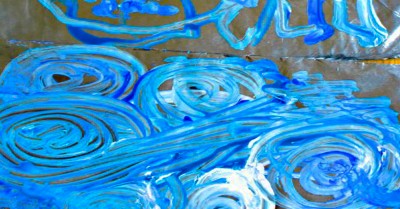
  • Covering a piece of cardboard in foil and tape it in place on the back.
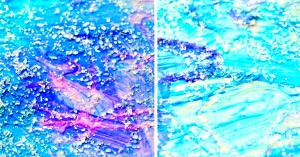
  • Dip the cotton bud into the paint and create patterns onto the foil.
  • Let it dry.

Hints and Tips

  • Introduce Van Gogh's "Starry Night" painting as inspiration. Use different shades of blue to recreate the swirly effect.
  • Paint may flake off foil once it has dried. To avoid this add a drop of washing up liquid to the paint.
  • Take a photo of the completed design.

Extension Ideas

  • Texture exploration: Encourage children to crumple, smooth, or emboss foil before painting to compare textures.
  • Mixed media: Add sequins, glitter, or tissue paper over painted foil for layered art.
  • Pattern stamping: Use everyday objects (sponges, forks, cotton buds) dipped in paint to stamp designs on foil.
  • Colour mixing: Let children experiment with blending colors directly on foil to see how metallic shine changes hues.
  • Fine motor skills: Provide small brushes or cotton swabs to refine control and precision.
  • Art appreciation: Show Van Gogh’s Starry Night or other artworks, then invite children to recreate inspired versions on foil.
  • Science link: Discuss how light reflects off foil and compare with mirrors or shiny objects.
  • Storytelling: Ask children to paint a scene on foil and narrate a short story about it.
    Seasonal themes: Adapt the activity for holidays (snowflakes for winter, suns for summer).

Reference

Messy Little Monsters

Additional Info

  • Appropriate Age: 3 year+
  • Number of Children: Individual (1)
  • Developmental Milestones:
    • Grip strength: Holding brushes or cotton swabs builds hand muscles.

    • Precision control: Painting on slippery foil requires careful movements.

    • Dexterity: Manipulating foil (crumpling, smoothing) enhances finger coordination.

    • Problem solving: Children adapt techniques when paint behaves differently on foil.

    • Pattern recognition: Spotting shapes and designs in reflective surfaces.

    • Creativity: Choosing colours and experimenting with textures fosters imagination.

    • Descriptive vocabulary: Words like “shiny,” “smooth,” or “wrinkled” expand language.

    • Expressive language: Explaining their artwork builds confidence in communication.

    • Confidence: Completing unique foil art boosts self-esteem.

    • Collaboration: Group projects encourage sharing materials and ideas.

    • Cultural awareness: Linking foil art to festivals or famous artworks builds social context.

    • Whole-arm movement: Large foil sheets encourage sweeping strokes.

    • Spatial awareness: Children learn to balance designs across shiny surfaces.

  • Play Based Learning: Creative Play
  • Interest Areas: Art and Craft
  • Games Categories: Art and Craft
  • EYLF Outcomes: Learning Outcome 4, Learning Outcome 5
  • Sub Outcomes:

    4.1 - Children develop a growth mindset and learning dispositions such as curiosity, cooperation, confidence, creativity, commitment, enthusiasm, persistence, imagination and reflexivity.

    5.4 - Children begin to understand how symbols and pattern systems work


Created On August 21, 2026 Last modified on Friday, August 21, 2026
Child Care Documentation App

© 2009-2026 Aussie Childcare Network Pty Ltd. All Rights Reserved.