


In early childhood education and care, ratios are more than a technicality—they are a frontline safeguard. Every child deserves responsive supervision, emotional connection, and developmental support. Yet in Australia, the current staff-to-child ratio standards may meet regulatory requirements, but they fall short of protecting what matters most: children's safety and well-being.

When unraveling whether a candidate has shortcut their Early Childhood Education (ECE) training, structured interviews and targeted questions can expose gaps in real-world competence. Fast-track or “vacation” pathways have raised alarm after thousands of candidates completed diplomas and graduate qualifications in months—sometimes with no genuine workplace experience and questionable oversight.
Across Australia, regulated staffing ratios aim to safeguard children in early learning settings. However, a growing number of incidents reveal that meeting these minimum requirements on paper doesn’t always translate into active, vigilant supervision. Below are several case studies that illustrate how gaps can emerge—even when legal ratios are nominally met.

When a family requests that male educators not change their child’s nappy, it touches on safeguarding, inclusion, and professional boundaries all at once. Here’s a way to navigate it thoughtfully.

If you need to report an early childhood service, there are clear steps you can take depending on the nature of the issue and your location. Here's a breakdown to guide you:
Stories shape how children make sense of their world. When we tell stories through a trauma-informed lens, we offer safety, build resilience, and honour each child’s experience. The following article provides information on Core Principles, Why It Matters, In Practice, Trauma-Informed Storytelling, 5 Examples of Trauma-Informed Stories and more.
Setting children up for a confident and joyful start to school begins long before the first bell. This guide brings together evidence-informed strategies, play-based activities, and partnership ideas to help preschoolers develop the skills, independence, and emotional resilience they need for their big leap into school.

This past week has challenged our sector—and stretched our hearts. But in the wake of uncertainty, we find courage. We come together. And we lead with purpose. This article is dedicated to helping educators process, reflect, and rise stronger.
As early childhood services increasingly consider CCTV to bolster child safety and meet compliance expectations, the discussion around surveillance is expanding beyond regulation into ethics, dignity, and children's rights. At the heart of this conversation lies one critical question: When does safeguarding begin to encroach on the very privacy it aims to protect?

In the heart of every early learning center, educators hold a uniquely powerful role—not just as teachers, but as advocates for children's safety and well-being. When unsafe, inappropriate, or unethical practices arise, educators are often the first to witness them. But too often, they feel powerless to act. It's time to shift that narrative.
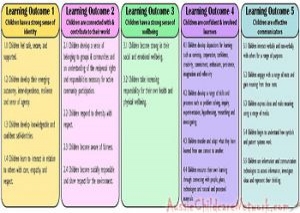 Here is the list of the EYLF Learning Outcomes that you can use as a guide or reference for your documentation and planning. The EYLF… Read More
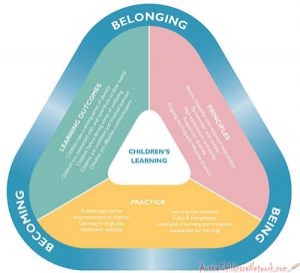 The EYLF is a guide which consists of Principles, Practices and 5 main Learning Outcomes along with each of their sub outcomes, based on identity,… Read More
 This is a guide on How to Write a Learning Story. It provides information on What Is A Learning Story, Writing A Learning Story, Sample… Read More
 One of the most important types of documentation methods that educators needs to be familiar with are “observations”. Observations are crucial for all early childhood… Read More
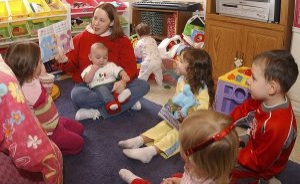 To support children achieve learning outcomes from the EYLF Framework, the following list gives educators examples of how to promote children's learning in each individual… Read More
 Reflective practice is learning from everyday situations and issues and concerns that arise which form part of our daily routine while working in an early… Read More
 When observing children, it's important that we use a range of different observation methods from running records, learning stories to photographs and work samples. Using… Read More
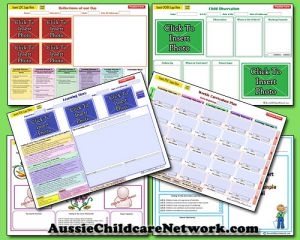 Within Australia, Programming and Planning is reflected and supported by the Early Years Learning Framework. Educators within early childhood settings, use the EYLF to guide… Read More
 This is a guide for educators on what to observe under each sub learning outcome from the EYLF Framework, when a child is engaged in… Read More
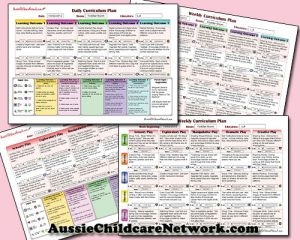 The Early Years Learning Framework describes the curriculum as “all the interactions, experiences, activities, routines and events, planned and unplanned, that occur in an environment… Read More

Event sampling is a useful observation technique for observing behaviours. It can be used to...
See more...
In early childhood education, care is our currency. We pour it into children, families, documentation...
See more...
The transition from preschool to kindergarten isn’t just academic—it’s deeply social. As children move from...
See more...