


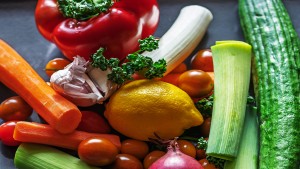
Vegetables aren’t just for eating; they can be powerful tools for creativity, sensory exploration, and imaginative play. By incorporating vegetables into art and activity setups, educators can encourage children to experiment, problem‑solve, and express themselves in unique ways. These photo ideas highlight how vegetables can be transformed into engaging experiences that connect children with food, nature, and creativity.

Creative process art photo ideas for childcare educators to inspire exploration and creativity.
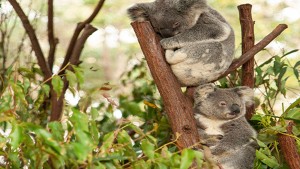
Engaging Australian wildlife activities with photo ideas for educators. Inspire creativity, culture, and EYLF learning outcomes in ECEC services.
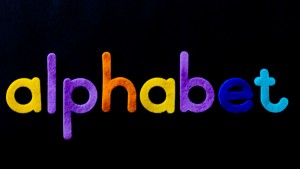
Creative alphabet photo ideas for childcare: fun sorting, tracing, and sensory activities to build literacy, phonics, and letter recognition.

Engaging colour learning photo ideas for childcare: fun sorting, matching, and sensory activities to build recognition and creativity.
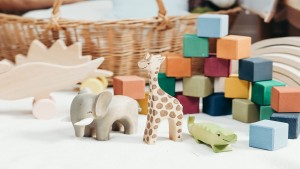

Explore creative photo ideas for teaching emotions in early childhood. Practical strategies, challenges, and wellbeing through play.

Children’s gardens are more than just spaces for growing plants—they are living classrooms where curiosity, responsibility, and creativity flourish. By weaving upcycling into these gardens, educators can transform everyday discarded items into vibrant, functional learning tools. This approach not only reduces waste but also models sustainability and innovation for children in ways they can see, touch, and nurture.
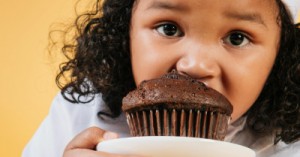
Encouraging children to self-serve food and drinks during mealtimes is more than just a practical routine, it’s a powerful pedagogical strategy that builds independence, confidence, and healthy habits.

Creating Aboriginal and Torres Strait Islander displays in early childhood education (ECE) settings is about more than decoration—it’s about embedding cultural respect, identity, and belonging into the learning environment. Here are some practical and meaningful approaches.
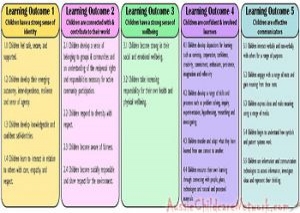 Here is the list of the EYLF Learning Outcomes that you can use as a guide or reference for your documentation and planning. The EYLF… Read More
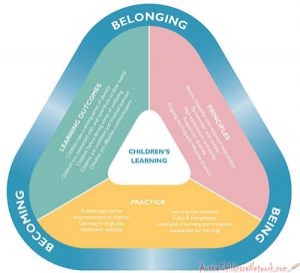 The EYLF is a guide which consists of Principles, Practices and 5 main Learning Outcomes along with each of their sub outcomes, based on identity,… Read More
 This is a guide on How to Write a Learning Story. It provides information on What Is A Learning Story, Writing A Learning Story, Sample… Read More
 One of the most important types of documentation methods that educators needs to be familiar with are “observations”. Observations are crucial for all early childhood… Read More
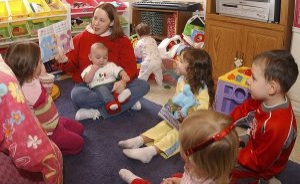 To support children achieve learning outcomes from the EYLF Framework, the following list gives educators examples of how to promote children's learning in each individual… Read More
 Reflective practice is learning from everyday situations and issues and concerns that arise which form part of our daily routine while working in an early… Read More
 When observing children, it's important that we use a range of different observation methods from running records, learning stories to photographs and work samples. Using… Read More
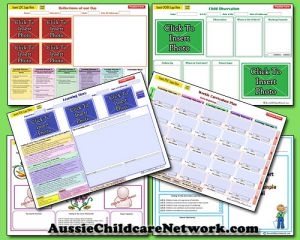 Within Australia, Programming and Planning is reflected and supported by the Early Years Learning Framework. Educators within early childhood settings, use the EYLF to guide… Read More
 This is a guide for educators on what to observe under each sub learning outcome from the EYLF Framework, when a child is engaged in… Read More
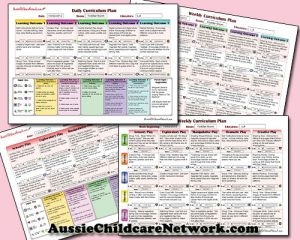 The Early Years Learning Framework describes the curriculum as “all the interactions, experiences, activities, routines and events, planned and unplanned, that occur in an environment… Read More
Halloween is more than costumes and candy; it's a cultural moment that invites play, storytelling...
See more...
Preschoolers thrive in environments that balance consistency with novelty. They need time to revisit experiences...
See more...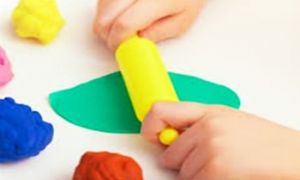
Playdough is such a versatile material. It provides numerous benefits to children as they manipulate...
See more...