



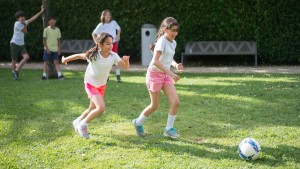
The following provides a list of activity ideas for each sub-outcome of MTOP Outcome 3: Children And Young People Have A Strong Sense Of Wellbeing.

NAIDOC Week is a time to celebrate and learn about the rich histories, cultures, and achievements of Aboriginal and Torres Strait Islander peoples. For OOSH children, it’s an opportunity to engage in meaningful activities that go beyond fun, encouraging respect, curiosity, and creativity while deepening their understanding of First Nations stories, art, and traditions. By weaving together hands-on projects, storytelling, and reflection, educators can help children connect with the spirit of NAIDOC Week in ways that are both age-appropriate and inspiring.

Butterfly Education and Awareness Day (BEAD) is celebrated on June 6, 2026. It was created by the Association for Butterflies to raise awareness about butterflies as pollinators, their habitats, and conservation needs. For early childhood educators, BEAD is a chance to connect children with nature through play, observation, and creativity.

Rainy days don’t have to dampen the fun in OOSH! When outdoor play isn’t possible, educators can turn indoor time into an opportunity for creativity, movement, and laughter. Wet weather games are more than just "fillers"; they help children release energy, practice teamwork, and build social-emotional skills in a safe environment.
The following 20 indoor games are designed to be simple, adaptable, and fun for mixed-age groups, ensuring that rainy days become memorable moments of play and learning.
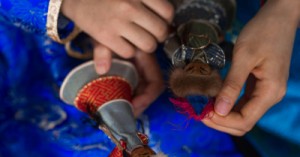
For babies and toddlers, diversity and inclusion play can be nurtured through simple, sensory-rich experiences that introduce different cultures, abilities, and identities in age-appropriate ways. The key is to use everyday play materials—blocks, dolls, songs, and stories that reflect varied backgrounds and abilities—while keeping activities interactive and joyful.

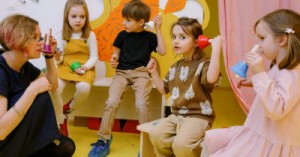
Group games are a wonderful way to build social skills, cooperation, and confidence in preschoolers. They encourage children to listen, take turns, and celebrate each other’s successes. Here are 30 tried‑and‑true favourites you can introduce to your kindy group.

When you’re running OSHC programs, it’s easy to feel like you’re recycling the same handful of activities. Children thrive on variety, and having a big bank of creative options can help you break out of that slump. Below is a list of 50 diverse art and craft ideas, ranging from quick, low-prep projects to collaborative, cultural, and recycled-material activities. They’re designed to spark imagination, foster belonging, and keep sessions fresh and engaging for all ages.

Harmony Week (16th–23rd March) is a national celebration of cultural diversity, respect, and inclusion. For toddlers and preschoolers, it’s an opportunity to explore the idea that everyone belongs through play, stories, and shared experiences.
In early childhood settings, Harmony Week is not about complex discussions—it’s about simple, joyful ways to show kindness, celebrate differences, and build a sense of belonging. By weaving Harmony Week into everyday routines, educators can help children understand that our world is made richer when we learn from each other.
This guide provides practical strategies, activity ideas, and reflection prompts tailored for toddlers and preschoolers. It’s designed to support educators in creating meaningful, age-appropriate experiences that highlight diversity and inclusion while keeping learning playful and accessible.
 The Children’s Services Award introduces a streamlined classification system and updated pay rates designed to better recognise the skills, qualifications, and responsibilities of early childhood… Read More
 The Children’s Services Award has 8 clear levels. These levels make it easier to understand where you fit, based on your experience, qualifications, and responsibilities.… Read More
 When working as a qualified early childhood teacher (with a university degree) within a service, your rate of pay will come from the Educational Services… Read More
 Diploma-qualified educators play a vital role in early childhood services, taking on responsibilities that range from supporting children’s learning and development to leading rooms and… Read More
 Certificate III qualified educators form the backbone of early childhood services, providing essential care and learning support for children across all settings. Their wages under… Read More
 Early Childhood Teachers (ECTs) play a vital role in leading curriculum and pedagogy in early learning settings. Regulation 272 of the Education and Care Services… Read More
 Discover how school readiness programs support children’s independence, confidence, and skills for a successful transition into primary school.
Read More
Discover how school readiness programs support children’s independence, confidence, and skills for a successful transition into primary school.
Read More
 When an Educator is not performing their tasks or responsibilities at best practice, these issues need to be addressed for the Educator to understand where… Read More
 Educators can maximise tax deductions by claiming classroom supplies, training, union fees, and home office costs this financial year.
Read More
Educators can maximise tax deductions by claiming classroom supplies, training, union fees, and home office costs this financial year.
Read More
 A staff appraisal is a formal, systematic process of determining and reviewing the performance of early childhood educators over a period of time, usually a… Read More
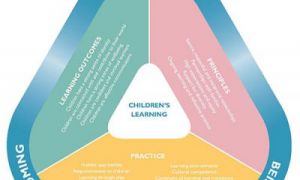
The EYLF is a guide which consists of Principles, Practices and 5 main Learning Outcomes...
See more...
Play provides opportunities for children to learn as they discover, create, improvise and imagine. Creative...
See more...
The Australian government has introduced advanced child safety training as the next stage in mandatory...
See more...