Family tree photo displays are more than just decorations; they are living stories within the learning environment. By showcasing the people who love and support each child, educators create a bridge between home and the early learning service. These displays nurture belonging, celebrate diversity, and remind children that their identities are valued. Whether crafted from branches, bulletin boards, or creative collages, family trees become powerful tools for emotional safety, cultural pride, and community connection.
Why Family Tree Displays Matter
-
Emotional comfort: Familiar faces anchor children during transitions, reducing stress and supporting resilience.
-
Identity and pride: Children develop a stronger sense of self when their unique family structures are acknowledged and celebrated.
-
Community building: Displays encourage children to notice similarities and differences, sparking empathy and respect.
-
Curriculum alignment: They directly support EYLF Outcomes 1 & 2 (Children have a strong sense of identity; children are connected with and contribute to their world).
-
Cultural recognition: Family trees provide opportunities to highlight diverse cultural traditions, languages, and caregiving roles.
-
Intergenerational connection: Including grandparents, carers, and extended family members reinforces the idea that learning is supported by a wider community.
-
Emotional literacy: Talking about family photos helps children articulate feelings, relationships, and roles.
-
Celebration of diversity: Displays normalise different family structures (single-parent households, blended families, foster care, chosen families, pets as family).
Creative Display Ideas for Educators


Educator Tips
-
Consent first: Always ask families for permission before displaying photos.
-
Inclusive language: Use headings like “Our Families” or “People Who Care for Me” to avoid assumptions.
-
Child voice: Invite children to narrate captions or dictate short sentences about their family.
-
Accessibility: Place displays at child height so they can interact with them daily.
-
Interactive elements: Add mirrors, speech bubbles, or question prompts to encourage engagement.
-
Respect privacy: Offer alternatives (drawings, symbols, or names) for families who prefer not to share photos.
Reflective Prompts for Children
-
“Who helps you feel safe at home?”
-
“What do you love doing with your family?”
-
“Can you tell me about this person in your photo?”
-
“What makes your family special?”
Educator Reflection Questions
-
How does this display reflect the diversity of families in my classroom?
-
Are all children’s family structures represented respectfully?
-
How can I use this display to start conversations about belonging and identity?
-
What opportunities exist to connect this display to EYLF outcomes and intentional teaching moments?
Image Reference:
1 - Olga Schulz. Pinterest
2 - Aubrey Winkelman, Pinterest
3 - Karen Hairston Webb, Pinterest
4 - Joke Vanzijl, Pinterest
5 - Giang Đăng Trà, Pinterest
6 - Amelia Mancuso, Pinterest
7 - Rikki Cascia, Pinterest
8 - BeyA Florist and Wedding, Pinterest
9 - Tammie Hazlett, Pinterest
10 - Rosangela Volpe, Pinterest
11 - Christine Boucher, Pinterest
12 - Stacey Butler, Pinterest
13 - Ash Ben, Pinterest




 The Children’s Services Award introduces a streamlined classification system and updated pay rates designed to better recognise the skills, qualifications, and responsibilities of early childhood
 The Children’s Services Award has 8 clear levels. These levels make it easier to understand where you fit, based on your experience, qualifications, and responsibilities.
 When working as a qualified early childhood teacher (with a university degree) within a service, your rate of pay will come from the Educational Services
 Diploma-qualified educators play a vital role in early childhood services, taking on responsibilities that range from supporting children’s learning and development to leading rooms and
 Certificate III qualified educators form the backbone of early childhood services, providing essential care and learning support for children across all settings. Their wages under
 Early Childhood Teachers (ECTs) play a vital role in leading curriculum and pedagogy in early learning settings. Regulation 272 of the Education and Care Services
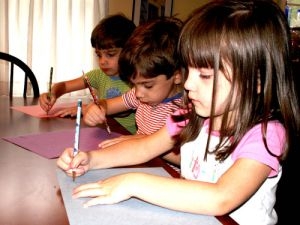 Discover how school readiness programs support children’s independence, confidence, and skills for a successful transition into primary school.
 When an Educator is not performing their tasks or responsibilities at best practice, these issues need to be addressed for the Educator to understand where
 Educators can maximise tax deductions by claiming classroom supplies, training, union fees, and home office costs this financial year.
 A staff appraisal is a formal, systematic process of determining and reviewing the performance of early childhood educators over a period of time, usually a