


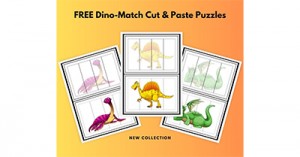
Dinosaurs have always captured the imagination of children, making them the perfect theme for engaging classroom activities. This cut-and-paste puzzle printable combines fun with purposeful learning, offering educators a resource that supports fine motor development, problem-solving, and creativity all while aligning with the EYLF outcomes.

Remembrance Day, observed on 11 November, honours those who served and sacrificed in war and peacekeeping efforts. While the concept of war may be too complex for toddlers and preschoolers, educators and families can introduce the day through gentle, symbolic, and emotionally resonant experiences.

The following is a collection of science-themed “potion recipes” that blend sensory exploration, symbolic meaning, and safe chemical reactions—perfect for World Science Day or any inquiry-based learning moment. Each potion includes: A symbolic name (linked to emotional literacy or global values), a child-safe recipe using common ingredients, and a meaningful intention to spark reflection and storytelling.

Each year on November 10, World Science Day for Peace and Development invites us to reflect on the role of science in building a more inclusive, peaceful, and sustainable world. In early childhood settings, this global observance becomes a beautiful opportunity to nurture curiosity, empathy, and collaborative inquiry.

Shapes are everywhere, in the food we eat, the toys we play with, and the stories we tell. For young children, learning shapes isn’t just about geometry; it’s about noticing patterns, building vocabulary, and connecting with the world around them. These simple, rhythmic rhymes make shape learning fun, memorable, and emotionally engaging.

In early childhood education, stories are more than entertainment; they’re vessels of culture, emotion, and connection. Aboriginal children’s books that explore water, wind, and nature offer rich opportunities to embed Indigenous perspectives, foster environmental awareness, and support holistic development. When paired with the 8 Aboriginal Ways of Learning and the EYLF, these stories become powerful tools for relational, symbolic, and experiential learning.

Play isn’t just fun—it’s foundational. For children aged 3 to 5, games offer rich opportunities to build social skills, emotional regulation, motor coordination, and early literacy and numeracy. Whether you're refreshing your weekly program or designing a themed experience, here are some educator-approved game ideas that blend creativity, inclusion, and developmental intent.
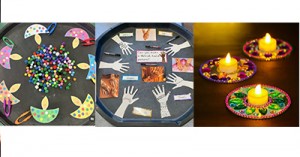
The following setups and experiences are designed to foster fine motor skills, pattern recognition, and joyful engagement with the traditions of the Festival of Lights. Each activity offers opportunities for children to express themselves, explore symbolism, and co-create meaning in inclusive and developmentally appropriate ways.

Celebrating Diwali with toddlers and preschoolers in early childhood settings is a joyful opportunity to foster cultural awareness, sensory exploration, and inclusive belonging. Here are some developmentally appropriate, emotionally intelligent ideas to celebrate Diwali with toddlers and preschoolers.

World Space Week is from 4th - 10th October. To help educators join the global celebration, a variety of free themed activities are available for download. These resources are designed to be engaging, educational, and easy to use across different age groups, making space exploration accessible and fun for all.
 The Children’s Services Award introduces a streamlined classification system and updated pay rates designed to better recognise the skills, qualifications, and responsibilities of early childhood… Read More
 The Children’s Services Award has 8 clear levels. These levels make it easier to understand where you fit, based on your experience, qualifications, and responsibilities.… Read More
 When working as a qualified early childhood teacher (with a university degree) within a service, your rate of pay will come from the Educational Services… Read More
 Diploma-qualified educators play a vital role in early childhood services, taking on responsibilities that range from supporting children’s learning and development to leading rooms and… Read More
 Certificate III qualified educators form the backbone of early childhood services, providing essential care and learning support for children across all settings. Their wages under… Read More
 Early Childhood Teachers (ECTs) play a vital role in leading curriculum and pedagogy in early learning settings. Regulation 272 of the Education and Care Services… Read More
 Discover how school readiness programs support children’s independence, confidence, and skills for a successful transition into primary school.
Read More
 When an Educator is not performing their tasks or responsibilities at best practice, these issues need to be addressed for the Educator to understand where… Read More
 Educators can maximise tax deductions by claiming classroom supplies, training, union fees, and home office costs this financial year.
Read More
 A staff appraisal is a formal, systematic process of determining and reviewing the performance of early childhood educators over a period of time, usually a… Read More

The Department of Education has introduced partial assessment and rating as a streamlined way to...
See more...
Quality Area 1 of the National Quality Standard focuses on ensuring that the educational program...
See more...
Firstly you need to think about whether you want to become a Director. Just because...
See more...