



World Space Week ( 4th - 10th October) invites us to look up—and within—as we nurture curiosity, imagination, and connection in our youngest learners. While babies and toddlers may not yet grasp the vastness of galaxies or the science of stars, they are deeply attuned to wonder. Through sensory-rich play, gentle storytelling, and emotionally safe exploration, we can offer them a universe of experiences that spark joy and belonging.
These activities are designed to be developmentally appropriate, trauma-informed, and inclusive—centering child voice, educator wellbeing, and the magic of discovery. Whether you're creating a moonlit sensory corner or singing rocket songs with scarves, each moment becomes a launchpad for connection, creativity, and care.

Here’s a curated list of simple, quick, and tasty vegetarian recipes designed with young children in mind—perfect for early learning settings or family meals. These recipes balance nutrition, sensory appeal, and ease of preparation, with options that support cultural inclusion and dietary needs.

Rainy days can stir up big energy in little bodies. When outdoor play isn’t an option, indoor environments need to flex—offering sensory-rich, emotionally intelligent experiences that soothe, engage, and inspire. Here are 20 educator-approved activities to transform stormy skies into golden opportunities for learning and connection.

By empowering early childhood educators to embrace Auslan and foster inclusive communication from the earliest years. Here's a scaffolded guide to help you begin teaching Auslan in early childhood settings for toddlers and preschoolers.

Here are 5 gentle, emotionally intelligent, story-based resources designed to help young children understand body boundaries, safe adults, and protective behaviors.

Talking to young children about child protection is one of the most powerful ways to build their sense of safety, agency, and trust. It’s not about instilling fear—it’s about giving them language, confidence, and clarity to navigate their world. Here’s how to approach it with warmth, honesty, and age-appropriate care.

Father’s Day is on the 6th of September 2026; it's time to start thinking of gifts from babies that can be meaningful, practical, and developmentally appropriate—without relying on the usual hand or footprints. Here are 50 inspired DIY Father's Day gift ideas for babies.
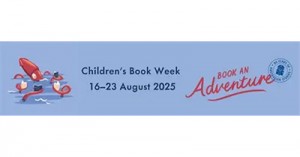
Children’s Book Week 2025 marks the 80th anniversary of this beloved national celebration, running from Saturday, 16 August, to Saturday, 23 August. Hosted by the Children’s Book Council of Australia (CBCA), this year’s theme—“Book an Adventure!”—explores the magic of storytelling through bold journeys, imaginative quests, and meaningful connections.
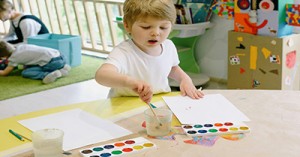
Here’s a curated set of 20 child-centered art activity instructions designed to foster creativity, autonomy, and exploration. Each activity includes setup tips, educator role guidance, and EYLF/NQS links.

Here’s a themed EYLF-aligned guide to 30 preschool science experiments, complete with materials, instructions, science concepts, and EYLF learning outcomes. This is designed for educators who want to embed intentionality, inquiry, and curriculum links into hands-on science.
 The Children’s Services Award introduces a streamlined classification system and updated pay rates designed to better recognise the skills, qualifications, and responsibilities of early childhood… Read More
 The Children’s Services Award has 8 clear levels. These levels make it easier to understand where you fit, based on your experience, qualifications, and responsibilities.… Read More
 When working as a qualified early childhood teacher (with a university degree) within a service, your rate of pay will come from the Educational Services… Read More
 Diploma-qualified educators play a vital role in early childhood services, taking on responsibilities that range from supporting children’s learning and development to leading rooms and… Read More
 Certificate III qualified educators form the backbone of early childhood services, providing essential care and learning support for children across all settings. Their wages under… Read More
 Early Childhood Teachers (ECTs) play a vital role in leading curriculum and pedagogy in early learning settings. Regulation 272 of the Education and Care Services… Read More
 Discover how school readiness programs support children’s independence, confidence, and skills for a successful transition into primary school.
Read More
Discover how school readiness programs support children’s independence, confidence, and skills for a successful transition into primary school.
Read More
 When an Educator is not performing their tasks or responsibilities at best practice, these issues need to be addressed for the Educator to understand where… Read More
 Educators can maximise tax deductions by claiming classroom supplies, training, union fees, and home office costs this financial year.
Read More
Educators can maximise tax deductions by claiming classroom supplies, training, union fees, and home office costs this financial year.
Read More
 A staff appraisal is a formal, systematic process of determining and reviewing the performance of early childhood educators over a period of time, usually a… Read More

The following outlines your workplace entitlements and obligations if you're affected by the outbreak of...
See more...
A child being barefoot can stimulate a variety of senses for children. The feeling of cool...
See more...
Play isn’t just fun—it’s foundational. For children aged 3 to 5, games offer rich opportunities...
See more...