



The early education sector is struggling to find enough staff due to COVID, influenza and burnout. With services failing to achieve educator-to-child ratios due to colder weather, the relaxation of mask rules for staff, and an increase in colds and flu.

The NSW and Commonwealth governments are providing fee-free part and full qualification courses for job searchers and existing workers in the early childhood education and care sector under the NSW JobTrainer programme. JobTrainer provides fee-free training that is fully financed by the NSW and Commonwealth governments.

The going wage for a nanny in Sydney, according to nanny agencies and the Find a Babysitter website, is between $25 and $40 per hour, based on experience and qualifications. Casual childcare in the evening might cost up to $45 per hour. While the third year of a Certificate 3 certification, the award wage for a childcare worker is $25.26 per hour.

According to the most recent job figures, the need for childcare employees is at an all-time high. More than 3000 Educators are required in Sydney alone, with a total of 16,000 required across the country. In addition to the shortage, 37% of workers intend to leave the industry, many of whom are dissatisfied with their salary and working conditions, a sentiment compounded by the pandemic.
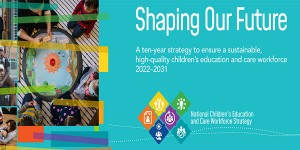
The National Children’s Education and Care Workforce Strategy (2022-2031) has been developed to support the recruitment, retention, sustainability and quality of the sector workforce.

For Victoria Educators, if you hold a diploma in early childhood education, you can complete this specialised Bachelor of Early Childhood Teaching in just two years, graduating ready to work as an early childhood teacher. The course complements our three-year Bachelor of Early Childhood Education, which caters to applicants without a diploma in the discipline.

The scholarships provide financial assistance to scholars who intend to be or who are employed in NSW early childhood education services. Scholarships of up to $20,000 each will be offered to those commencing or completing a bachelor-level early childhood teaching degree. This degree can be studied at universities or other vocational education and training providers (e.g. TAFE).

Wage discussions and salary negotiations with employers are sure to rank high in any list of difficult conversations for educators – riddled as the issue is with a range of complexities, from personal aspirations to sector-wide trends. The following article lists strategies on how to talk to your employer about pay, including knowing your worth, being prepared, using open-ended questions and more.

Edutribe has arranged a free job interview training guide for Early Childhood Educators including mock-up interviews, CV and cover letter templates, interview questions and more.

As of the 13th of May, the Public Health Order relating to vaccination of education and care workers has not been extended. This means that Early Childhood Services may choose to implement their own policies around staff vaccination.
 The Children’s Services Award introduces a streamlined classification system and updated pay rates designed to better recognise the skills, qualifications, and responsibilities of early childhood… Read More
 The Children’s Services Award has 8 clear levels. These levels make it easier to understand where you fit, based on your experience, qualifications, and responsibilities.… Read More
 When working as a qualified early childhood teacher (with a university degree) within a service, your rate of pay will come from the Educational Services… Read More
 Diploma-qualified educators play a vital role in early childhood services, taking on responsibilities that range from supporting children’s learning and development to leading rooms and… Read More
 Certificate III qualified educators form the backbone of early childhood services, providing essential care and learning support for children across all settings. Their wages under… Read More
 Early Childhood Teachers (ECTs) play a vital role in leading curriculum and pedagogy in early learning settings. Regulation 272 of the Education and Care Services… Read More
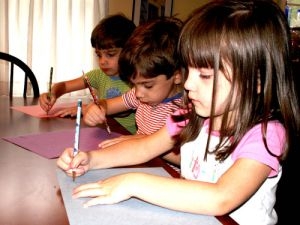 Discover how school readiness programs support children’s independence, confidence, and skills for a successful transition into primary school.
Read More
Discover how school readiness programs support children’s independence, confidence, and skills for a successful transition into primary school.
Read More
 When an Educator is not performing their tasks or responsibilities at best practice, these issues need to be addressed for the Educator to understand where… Read More
 Educators can maximise tax deductions by claiming classroom supplies, training, union fees, and home office costs this financial year.
Read More
Educators can maximise tax deductions by claiming classroom supplies, training, union fees, and home office costs this financial year.
Read More
 A staff appraisal is a formal, systematic process of determining and reviewing the performance of early childhood educators over a period of time, usually a… Read More

Due to the unfortunate incidents of young children being left on buses which tragically resulted...
See more...
Actively managing waste in an early learning service is essential for sustainability, cost efficiency, and environmental...
See more...
Despite the overwhelming volume of documentation educators are expected to complete, the National Law and...
See more...