


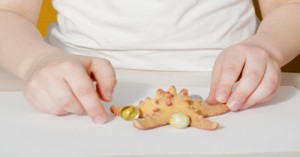
Loose parts play is a powerful, open-ended approach that invites children to explore, create, and express themselves using everyday materials. It fosters autonomy, imagination, and problem-solving and can be tailored to your environment and the developmental needs of your children.

In the whirlwind of ratios, regulations, and relentless responsibilities, early childhood educators often forget the most vital resource in any service: themselves. That’s why Wellbeing Wednesday has become more than a calendar quirk—it’s a lifeline. Here’s a restorative reboot for your weekly wellbeing ritual, designed with emotional intelligence, trauma-informed practice, and authentic educator voice at its heart.

Toxic environments in early learning services can manifest as gossip, micromanagement, inconsistent policies, emotional invalidation, or even bullying. These psychosocial hazards are not just unpleasant—they’re legally and ethically significant under Work Health and Safety laws.

The transition from preschool to kindergarten isn’t just academic—it’s deeply social. As children move from parallel play to collaborative learning, they begin to form friendships, navigate conflict, and express their unique identities. These social and personal skills are the bedrock of emotional wellbeing and school readiness.
The following Biting Policy Example tailored for early childhood education and care (ECEC) services in Australia, drawing on best practice from ACECQA, Child Australia, and service-level procedures.
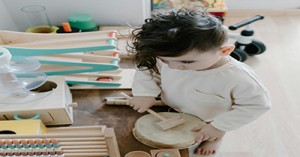
In early childhood education, the quality of a play space isn’t defined by how polished it looks—it’s defined by how deeply it invites children to imagine, explore, and belong. Research consistently shows that the most powerful play environments are those that center children’s agency, emotional safety, and social connection. Here are five foundational features that elevate play from passive activity to transformative experiences.
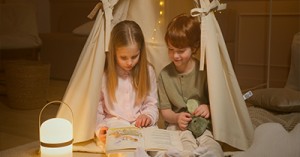
In a busy early learning room, nestled between a soft rug and a basket of sensory tools, something quietly revolutionary was unfolding. It wasn’t a new curriculum or a flashy resource—it was a space. A space designed not for punishment, but for peace. Not for isolation, but for connection. It was the Calm Corner, and it changed everything.

In early childhood education, our relationships with families are foundational but they’re not always easy to navigate. When a child’s behaviour begins to impact the safety or wellbeing of others, educators often find themselves caught between professional responsibility and fear of offending parents. Over time, many have grown hesitant to speak up, even as biting, pushing, and dysregulation become more frequent in toddler rooms.
Below are practical, emotionally intelligent ways to initiate these conversations with families—rooted in respect, partnership, and a shared commitment to every child’s wellbeing.

In early childhood education, our relationships with families are foundational—but they’re not always easy to navigate. When a child’s behaviour begins to impact the safety or wellbeing of others, educators often find themselves caught between professional responsibility and fear of offending parents. Over time, many have grown hesitant to speak up, even as biting, pushing, and dysregulation become more frequent in toddler rooms.
Below are practical, emotionally intelligent ways to initiate these conversations with families—rooted in respect, partnership, and a shared commitment to every child’s wellbeing.

Over the past decade, many educators have observed a troubling trend: biting, pushing, and other aggressive behaviours among toddlers are increasingly normalized as developmental inevitabilities. While it’s true that young children often lack the verbal tools to express frustration or overwhelm, the sector’s growing tolerance for these behaviours—without deeper investigation or family collaboration—raises serious concerns about safety, equity, and emotional wellbeing.
 The Children’s Services Award introduces a streamlined classification system and updated pay rates designed to better recognise the skills, qualifications, and responsibilities of early childhood… Read More
 When working as a qualified early childhood teacher (with a university degree) within a service, your rate of pay will come from the Educational Services… Read More
 Diploma-qualified educators play a vital role in early childhood services, taking on responsibilities that range from supporting children’s learning and development to leading rooms and… Read More
 Certificate III qualified educators form the backbone of early childhood services, providing essential care and learning support for children across all settings. Their wages under… Read More
 Early Childhood Teachers (ECTs) play a vital role in leading curriculum and pedagogy in early learning settings. Regulation 272 of the Education and Care Services… Read More
 Children need safe and positive environments to learn and grow. To ensure this, services and educators need to ensure effective supervision at all times. The… Read More
 Floorbook is a documentation approach that uses a large book with blank pages for children to record different aspects of their learning in small groups… Read More
 In Norway and most other Scandinavian countries, children nap in the outdoors. According, to research outdoor sleeping not only promotes better daytime sleeping, but it… Read More
 From 2026, every educator covered by the Children’s Services Award will move into a new, simplified classification structure. Instead of navigating 30 different levels, educators… Read More
 Educational leaders play a crucial role in their early childhood service by ensuring that the educational program aligns with best practices and supports the holistic… Read More

The National Law and the National Regulations illustrate the legal responsibilities of the approved provider...
See more...
Introducing diversity through books is a fantastic way to help children understand and appreciate different cultures...
See more...
It's important that all Educators currently working in services to take care of their health...
See more...