



In educational environments, relationships with families are central to building trust, collaboration, and shared responsibility. However, when those relationships become strained, especially through verbal abuse, intimidation, or threats, leaders must act decisively to protect staff well-being and uphold respectful conduct. Aggression from families is not just emotionally damaging—it can compromise safety, morale, and the integrity of the learning environment. Addressing it requires a balance of legal awareness, relational leadership, and clear procedural action.

In early childhood education, the phrase “school readiness” often conjures images of children sitting quietly at tables, practicing handwriting or phonics. But this narrow view overlooks the rich, embodied ways that young children learn. As research and practice continue to affirm, four-year-olds don’t need to sit still to be ready for school, they need to move, explore, and play.

In early childhood settings, the word “no” carries weight. It can signal safety, set boundaries, and teach children about limits. Yet, in some centres, policies now discourage educators from using “no” in any context, sparking debate across the sector. Is saying “no” harmful—or essential? And if we’re not saying “no,” what are we saying instead?

Celebrating Halloween in early childhood settings can be enriching, but it’s important to weigh the benefits and challenges thoughtfully. Here's a breakdown to help guide your decision:

Here’s a playful set of questions you can use during group time to explore children’s understanding of Halloween. These are designed to spark curiosity, storytelling, and cultural reflection, while keeping things warm and inclusive.

In early childhood services, leadership is relational. Whether you're guiding a new educator or supporting a seasoned team member through change, knowing when to coach and when to mentor is essential. These approaches aren’t interchangeable; they serve different purposes, require different skills, and yield different outcomes. This cheat sheet helps leaders distinguish between coaching and mentoring, apply each effectively, and embed both into everyday practice.

In the fast-paced world, leadership isn’t just about compliance or curriculum; it’s about connection. One of the most powerful, yet often overlooked, tools in a leader’s toolkit is the humble check-in ritual. These moments of intentional pause can transform team dynamics, foster psychological safety, and embed a culture of care into the everyday rhythm of a service.

The following article provides 5 examples of risk assessments tailored for early childhood services, including Local Park Excursion, Art & Sensory Play, Loose Parts Construction Zone Risk Assessment, Fire Drill & Emergency Evacuation, and Dramatic Play with Costumes & Props, and more.

A: Under Regulations 101–102D, approved providers and educators must conduct risk assessments for activities that may pose risks to children’s health, safety, or well-being.

National Children’s Week (18th - 26th October) is more than a calendar event—it’s a call to action. A reminder to pause, reflect, and truly listen to the voices of children. In early childhood settings, where play, learning, and relationships intertwine, this week offers a powerful opportunity to centre children’s rights, celebrate their contributions, and elevate their lived experiences.
 The Children’s Services Award introduces a streamlined classification system and updated pay rates designed to better recognise the skills, qualifications, and responsibilities of early childhood… Read More
 The Children’s Services Award has 8 clear levels. These levels make it easier to understand where you fit, based on your experience, qualifications, and responsibilities.… Read More
 When working as a qualified early childhood teacher (with a university degree) within a service, your rate of pay will come from the Educational Services… Read More
 Diploma-qualified educators play a vital role in early childhood services, taking on responsibilities that range from supporting children’s learning and development to leading rooms and… Read More
 Certificate III qualified educators form the backbone of early childhood services, providing essential care and learning support for children across all settings. Their wages under… Read More
 Early Childhood Teachers (ECTs) play a vital role in leading curriculum and pedagogy in early learning settings. Regulation 272 of the Education and Care Services… Read More
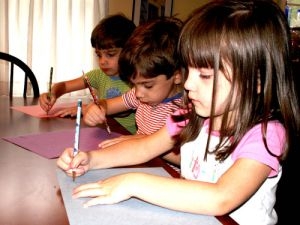 Discover how school readiness programs support children’s independence, confidence, and skills for a successful transition into primary school.
Read More
Discover how school readiness programs support children’s independence, confidence, and skills for a successful transition into primary school.
Read More
 When an Educator is not performing their tasks or responsibilities at best practice, these issues need to be addressed for the Educator to understand where… Read More
 Educators can maximise tax deductions by claiming classroom supplies, training, union fees, and home office costs this financial year.
Read More
Educators can maximise tax deductions by claiming classroom supplies, training, union fees, and home office costs this financial year.
Read More
 A staff appraisal is a formal, systematic process of determining and reviewing the performance of early childhood educators over a period of time, usually a… Read More

A: A narrative observation in childcare is a detailed, written account of a child's actions, interactions...
See more...
International Mother Language Day is celebrated annually on February 21st. The following article provides information on...
See more...
In the rhythm of early childhood education, the most meaningful moments often happen in the...
See more...