



In early childhood education, qualifications are often seen as the benchmark of quality. Diplomas, degrees, and certificates line the walls of centres, signaling compliance and professional achievement. Yet research consistently shows that what truly shapes a child’s well-being and learning is not the paper on the wall, but the warmth, trust, and attunement in the relationships they experience every day.

Early childhood educators are entrusted with the profound responsibility of nurturing and protecting young children. Yet, many educators face daily challenges when children exhibit violent behaviours like biting, hitting, scratching, or verbal aggression. While child protection is paramount, the rights and well-being of educators must also be safeguarded.

Explore why smaller group sizes in early childhood boost connection, safety, and learning outcomes, and why overcrowding risks quality care.

Teaching emotional attunement requires more than knowledge—it demands presence, practice, and a culture that values connection. This guide offers a layered approach to help educators grow their capacity to notice, interpret, and respond to emotional cues with care and confidence.

A: Group time is not strictly necessary, but when thoughtfully designed, it can be a powerful tool for fostering connection, communication, and community in early childhood settings.
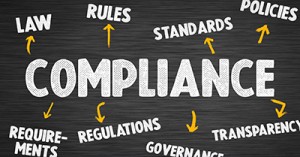
Here’s a clear and practical guide for ECEC Services in NSW based on the compliance and quality history display requirements outlined on the NSW Education website.

Educator ratios must be upheld at all times, including during care tasks unless supervision is compromised, in which case coverage is legally required. Here’s a guide to help educators understand their rights and responsibilities around ratios and supervision, with more examples and direct links to authoritative sources.

In the ongoing discourse around quality early childhood education, educator-to-child ratios often dominate the conversation. While ratios are undeniably important for supervision and safety, a critical yet under-addressed factor is the physical space allocated to each child. The reality is stark: even with ideal ratios, overcrowded rooms can undermine well-being, learning outcomes, and emotional safety.

Gossip is more than idle chatter; it’s a signal. In early childhood settings, where emotional labor runs high and relationships form the bedrock of quality practice, gossip can quietly unravel team cohesion. It erodes trust, fractures relationships, and creates emotional harm. But beneath the surface, gossip often reflects unmet needs, fear, and disconnection. The following article explores how restorative leadership can transform gossip into growth, offering practical strategies to rebuild emotional safety and team culture.

In the emotionally charged landscape of early childhood education, departmental decisions can feel final, overwhelming, and deeply personal. Whether it's a compliance breach, funding suspension, or licensing issue, educators often feel unheard, unsupported, and unsure of their rights. But procedural fairness is not a privilege—it’s a legal and ethical obligation. This guide aims to restore clarity, confidence, and emotional safety for those seeking to contest decisions with integrity and strength.
 The Children’s Services Award introduces a streamlined classification system and updated pay rates designed to better recognise the skills, qualifications, and responsibilities of early childhood… Read More
 The Children’s Services Award has 8 clear levels. These levels make it easier to understand where you fit, based on your experience, qualifications, and responsibilities.… Read More
 When working as a qualified early childhood teacher (with a university degree) within a service, your rate of pay will come from the Educational Services… Read More
 Diploma-qualified educators play a vital role in early childhood services, taking on responsibilities that range from supporting children’s learning and development to leading rooms and… Read More
 Certificate III qualified educators form the backbone of early childhood services, providing essential care and learning support for children across all settings. Their wages under… Read More
 Early Childhood Teachers (ECTs) play a vital role in leading curriculum and pedagogy in early learning settings. Regulation 272 of the Education and Care Services… Read More
 Discover how school readiness programs support children’s independence, confidence, and skills for a successful transition into primary school.
Read More
Discover how school readiness programs support children’s independence, confidence, and skills for a successful transition into primary school.
Read More
 When an Educator is not performing their tasks or responsibilities at best practice, these issues need to be addressed for the Educator to understand where… Read More
 Educators can maximise tax deductions by claiming classroom supplies, training, union fees, and home office costs this financial year.
Read More
Educators can maximise tax deductions by claiming classroom supplies, training, union fees, and home office costs this financial year.
Read More
 A staff appraisal is a formal, systematic process of determining and reviewing the performance of early childhood educators over a period of time, usually a… Read More

Outdoor play is vital for children’s well-being, offering opportunities for physical activity, exploration, and connection...
See more...
Educator well-being has been one of the most urgent conversations in early childhood this year...
See more...
Learning centers in early childhood education are dedicated areas within the learning environments where children...
See more...