



Music is a universal language—and in Aboriginal and Torres Strait Islander cultures, it’s also a powerful vessel for storytelling, ceremony, and connection. Introducing Aboriginal music into early learning environments not only enriches children’s understanding of Australia’s First Nations peoples but also fosters respect, curiosity, and cultural awareness from a young age.

These critical reflection questions invite educators to look beneath the surface. To interrogate not just what ratios are, but what they do. How they impact our ability to see every child, respond to every need, and show up as our full selves. It challenges us to name the invisible labor, the moral compromises, and the quiet grief that ratio pressures can bring—while also illuminating the courage, creativity, and collective wisdom that educators embody every day.

In early childhood education, trust and collaboration are foundational—not just for children, but for the adults who guide them. Yet across the sector, many educators report that unprofessional gossip among staff continues to undermine workplace culture, erode morale, and fracture team cohesion.


In early childhood education and care, child safety is not just a number—it’s a practice. While educator-to-child ratios are essential, they are only one part of a broader obligation: ensuring adequate supervision at all times. Together, these two pillars—Regulation 122 and Section 165—form the foundation of safe, responsive, and compliant care.

In the NSW and VIC early childhood sector, safeguarding children and ensuring accountability in service operations are paramount. But what happens when a complaint—particularly one involving alleged harm to a child—is investigated by the Department of Education and deemed “inconclusive,” with no breach of law or regulation found? Can that decision be contested, and if so, how?
This article outlines the formal pathways available to services and individuals in NSW and VIC who seek to challenge departmental decisions, especially in cases where child safety concerns remain unresolved.

“I was watching the rain because it made me feel calm. I didn’t want to talk; I just wanted to listen to the drops.” This simple statement carries more than imagination—it holds intention, emotion, and agency.
This article is a call to shift the lens. To move from 'about' to 'buy'. From adult narration to child-led storytelling. Because when children speak, they don’t just describe—they reveal.

In early childhood services across Australia, educators are often expected to stay beyond their rostered hours to complete tasks—cleaning, documentation, ratio coverage, or closing duties. But when this extra time goes unpaid, it’s not just unfair—it may be unlawful.

In early childhood education, two terms often surface in compliance conversations: active supervision and in ratio. While both are essential to child safety and regulatory integrity, they serve distinct purposes—and conflating them can lead to serious oversights in practice. Let’s unpack each concept, then explore how they play out in real-world settings.

A: Legally, yes—an educator is considered “in ratio” as long as they are physically present and supervising the required number of children according to the age-based ratios set by the National Quality Framework (NQF). But practically? That’s where the system starts to unravel.
 The Children’s Services Award introduces a streamlined classification system and updated pay rates designed to better recognise the skills, qualifications, and responsibilities of early childhood… Read More
 The Children’s Services Award has 8 clear levels. These levels make it easier to understand where you fit, based on your experience, qualifications, and responsibilities.… Read More
 When working as a qualified early childhood teacher (with a university degree) within a service, your rate of pay will come from the Educational Services… Read More
 Diploma-qualified educators play a vital role in early childhood services, taking on responsibilities that range from supporting children’s learning and development to leading rooms and… Read More
 Certificate III qualified educators form the backbone of early childhood services, providing essential care and learning support for children across all settings. Their wages under… Read More
 Early Childhood Teachers (ECTs) play a vital role in leading curriculum and pedagogy in early learning settings. Regulation 272 of the Education and Care Services… Read More
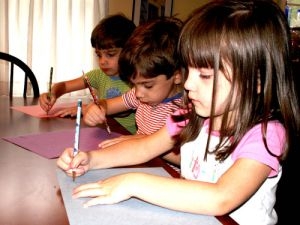 Discover how school readiness programs support children’s independence, confidence, and skills for a successful transition into primary school.
Read More
Discover how school readiness programs support children’s independence, confidence, and skills for a successful transition into primary school.
Read More
 When an Educator is not performing their tasks or responsibilities at best practice, these issues need to be addressed for the Educator to understand where… Read More
 Educators can maximise tax deductions by claiming classroom supplies, training, union fees, and home office costs this financial year.
Read More
Educators can maximise tax deductions by claiming classroom supplies, training, union fees, and home office costs this financial year.
Read More
 A staff appraisal is a formal, systematic process of determining and reviewing the performance of early childhood educators over a period of time, usually a… Read More
How you support work placement students can depend on your own position within the centre...
See more...
Discover how child‑initiated learning empowers agency, creativity, and independence in early childhood education through play...
See more...
At its simplest, Bullying is when a person deliberately and repeatedly hurts someone else. But...
See more...