


Howard Gardner’s Multiple Intelligences is explained simply for educators with examples and EYLF links.

Erikson Psychosocial Development stages: trust, independence, confidence, identity explained simply.

Piaget's cognitive development stages: senses, play, logic, and abstract thinking explained simply.

Quality Area Cheat Sheets 1–7: Simplify NQS standards with clear guides for educators and services.

Here’s a cheat sheet for Quality Area 7: Leadership and Governance from the NQS. This cheat sheet includes each standard, its elements, and practical examples tailored for early childhood settings.

Here’s a concise compliance cheat sheet for Quality Area 1 (Educational Programme and Practice) under the National Quality NQS. It highlights the essential elements, documentation requirements, and reflective practices you need to demonstrate compliance while maintaining authentic pedagogy.

When documenting children’s learning, educators often feel pressured to align every observation with codes, sub‑outcomes, or compliance language. Yet, meaningful documentation doesn’t need to be weighed down by technical jargon. Instead, it can highlight dispositions, behaviours, and processes that reveal how children are engaging with their world.
The following keywords provide a practical lens for educators: they are simple, observable, and flexible enough to be woven into analysis, reflections, and planning notes. By focusing on these words, educators can capture the richness of children’s identity, community, well-being, learning, and communication without losing sight of the bigger picture. They act as anchors for professional reflection and as bridges to families, making documentation both accessible and purposeful.

This cheat sheet condenses the principles, practices, and learning outcomes into a quick reference, with real OOSH examples to show how theory translates into everyday practice.

A clear, practical EYLF Outcome 1 cheat sheet for educators, with examples, observation wording, and strategies to document children’s identity, belonging, autonomy, emotional well-being, and respectful relationships across daily routines.
Outcome 1 is the foundation of early childhood learning; everything else grows from here. It focuses on children’s identity: how they see themselves, how safe and supported they feel, and how they relate to others. When children experience belonging, security, autonomy, emotional well-being, and respectful relationships, they develop the confidence and resilience needed for all future learning.
This cheat sheet gives educators a practical, easy‑to‑use guide to understanding, observing, and documenting Outcome 1 across everyday routines. With clear indicators, real-world examples, and ready‑to‑use documentation prompts, educators can capture meaningful learning without unnecessary paperwork.

Summative assessments are more than end-point reflections—they’re storytelling tools that honour each child’s journey. They help educators celebrate growth, identify emerging skills, and co-plan intentional next steps. This guide is designed for quick glances during documentation, team huddles, or family meetings, keeping your language strengths-based, specific, and emotionally resonant.
Use it to:
 The Children’s Services Award introduces a streamlined classification system and updated pay rates designed to better recognise the skills, qualifications, and responsibilities of early childhood… Read More
 The Children’s Services Award has 8 clear levels. These levels make it easier to understand where you fit, based on your experience, qualifications, and responsibilities.… Read More
 When working as a qualified early childhood teacher (with a university degree) within a service, your rate of pay will come from the Educational Services… Read More
 Diploma-qualified educators play a vital role in early childhood services, taking on responsibilities that range from supporting children’s learning and development to leading rooms and… Read More
 Certificate III qualified educators form the backbone of early childhood services, providing essential care and learning support for children across all settings. Their wages under… Read More
 Early Childhood Teachers (ECTs) play a vital role in leading curriculum and pedagogy in early learning settings. Regulation 272 of the Education and Care Services… Read More
 Discover how school readiness programs support children’s independence, confidence, and skills for a successful transition into primary school.
Read More
Discover how school readiness programs support children’s independence, confidence, and skills for a successful transition into primary school.
Read More
 When an Educator is not performing their tasks or responsibilities at best practice, these issues need to be addressed for the Educator to understand where… Read More
 Educators can maximise tax deductions by claiming classroom supplies, training, union fees, and home office costs this financial year.
Read More
Educators can maximise tax deductions by claiming classroom supplies, training, union fees, and home office costs this financial year.
Read More
 A staff appraisal is a formal, systematic process of determining and reviewing the performance of early childhood educators over a period of time, usually a… Read More

World Pizza Day is celebrated on the 9th of February. It is essentially a celebration...
See more...
When unraveling whether a candidate has shortcut their Early Childhood Education (ECE) training, structured interviews...
See more...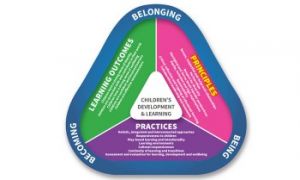
The following provides a list of cheat sheets and free printables based on EYLF Outcomes...
See more...