


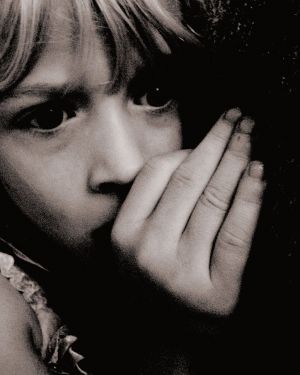
When you were little were you ever afraid of the dark? Or small creepy insects? Or hurting yourself? Fears and Phobias are a common problem that some children may have more difficulty in dealing with than others.
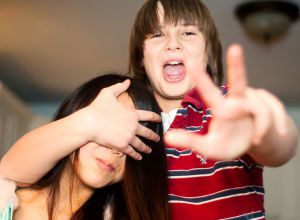
Sibling Rivalry is a fairly common part of childhood which usually takes place in the first five years of life. Resentment and jealousy often arises when your first born child is “knocked off their perch”, by the arrival of a new sibling. Your first born child had you all to themselves and being the centre of attention, now your child will feel that the new baby takes up most of your time and attention.
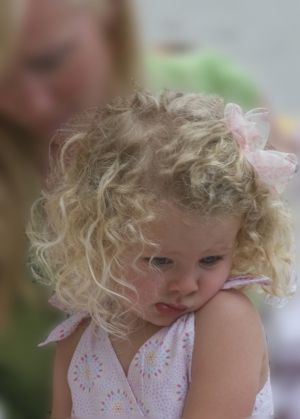
Shyness is a feeling and a behaviour towards others. It is a personality trait, an introvert behaviour. Shyness can also be a genetic influence just like any other physical trait. Sometimes even babies are shy. We can see some babies hide their face from strangers. It can also be a learned behaviour which onsets later because of experiences. At times, shyness just prevails in a new situation and gets away ones adjusted.
Guidance for supporting children experiencing family separation. Focuses on emotional wellbeing.
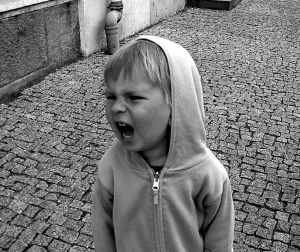
All children deal with anger on a daily basis. Thinking about it as a child, there is a lot to be angry about. Elder people telling them what to do, not being allowed to get what they want, they fail at many things they try…it’s frustrating at times. As an adult we are able to deal with these setbacks in a social acceptable way, however a child doesn't have the ability or the understanding to deal with their actions when they become angry, in an acceptable way.
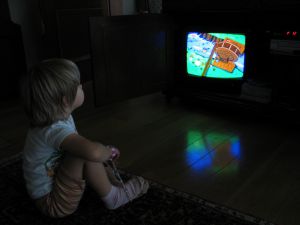
Television is not all bad. Sometimes it could be an excellent resource for education as well as entertainment. For instance, there are a lot of fun educational DVDs and TV programmes for children that could help develop their language development. Including, learning the alphabet, singing rhymes, music and movement and more. While school age kids can also learn about geography and culture, nature, wild-life, technology and heaps more. However, too much Television starts to become a habit and could get in the way of other important activities like physical activities, reading and writing, doing homework and spending time with family and friends.
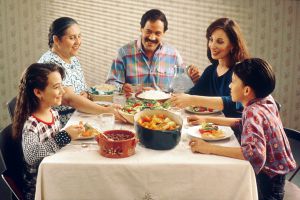
You and your family are all sitting down at the table, enjoying a delicious meal. You look over at your child and instead of eating their food, they are playing with it. Not only that, they are chewing their food with their mouth open and burping loudly. Definitely not the table manners you were taught, when you were a child. Nevertheless, as your child begins to enjoy meals with the rest of the family, its time to start teaching your child table manners.
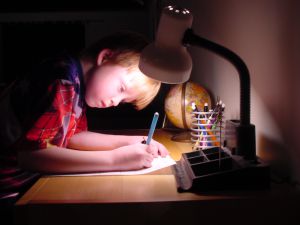
“I haven’t got any homework”… How many times has your child come home from school and said that? Unfortunately, most children think that homework is a chore, a complete waste of time. According to a lot of children they feel like if they have to sit and do homework there will be no time for playing or watching television. In some cases, just trying to get your child to do their homework is a constant struggle. Then there are other issues such as too much homework, too little homework and even as a parent not being able to understand the homework…argh it’s just HOMEWORK and schools understand the importance for children to play and have leisure activities outside school hours.
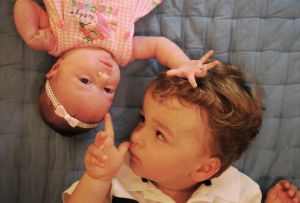
You just arrived home with your new baby and now you can begin the new chapter in your life as a two-child family. However, things aren't the same as before: your older child isn't used to sharing their attention from you with the new baby. All you have to do is help connect your older child with their new sibling with some thought, sensitivity and planning.
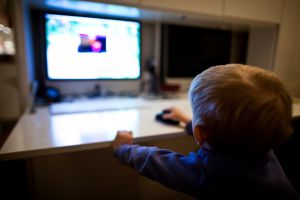
Internet is an important resource in today’s society for everyone and it has become a part of life just like mobile phones, Television, etc. There are also so many gadgets and devices you can use to surf the internet like laptops, mobile phones and even refrigerators! Internet is so useful now since there are so many things we can do. In fact it’s a lot faster and efficient, without even needing to go out. For instance -banking, shopping, pay bills, communicating with friends and families, make phone calls, search for information, directions & maps, research school reports, play interactive games and much more. The possibilities and the usage are limitless.
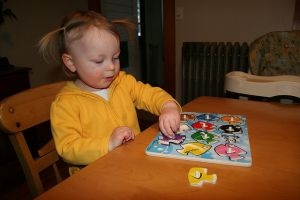 Toddlers have a greater understanding of the world around them by this stage. Their cognitive development (also known as intellectual development and thinking skills) continues… Read More
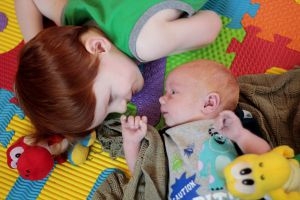 Infants begin to develop trust when parents begin to fulfil their needs. Such as changing an infant's nappy when needed, feeding on request and holding… Read More
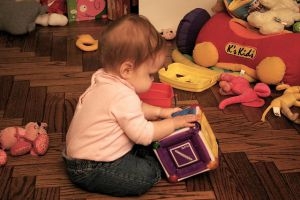 Beginning at birth the construction of thought processes, such as memory, problem solving, exploration of objects etc, is an important part of an infant’s cognitive… Read More
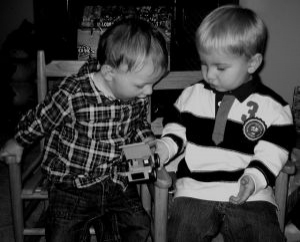 Toddlers want to do more on their own and do not like it when you begin to establish limits on their behaviour. Tantrums can become… Read More
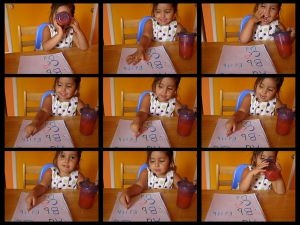 Your preschooler is now able to focus their attention more accurately and is less influenced by distractions. The intensity of questions increase as your child… Read More
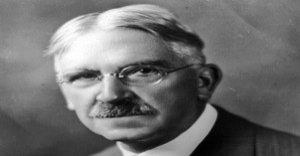 John Dewey is often seen as the proponent of learning by doing – rather than learning by passively receiving. He believed that each child was active,… Read More
 Erik Erikson developed a psychosocial theory to understand how we each develop our identities through eight stages of psychosocial development from infancy to adulthood. The… Read More
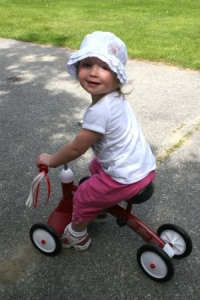 Toddler advance and gains new skills in Gross Motor Development milestones achieved throughout earlier years. Co-ordination and challenges that could not be performed before such… Read More
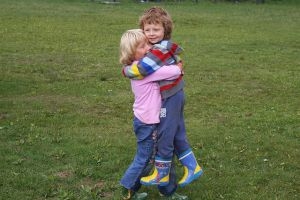 At this point preschoolers begin to interact effectively with others. Play becomes more innovative and organized and “boyfriend” or “girlfriend” begins to emerge. Preschoolers have… Read More
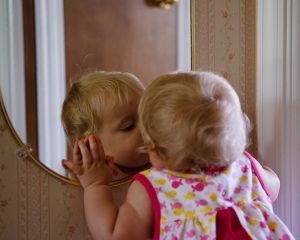 From now, babies begin to identify and respond to their own feelings, understanding other's feelings & needs and interact positively with others. A baby's social and… Read More
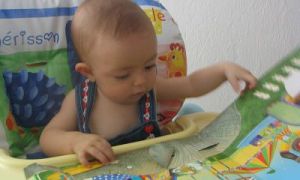
Babies use of language at this stage changes so much that it's hard to notice...
See more...
Your preschooler is now able to focus their attention more accurately and is less influenced...
See more...
Phonological awareness covers the child’s ability to recognize and use the spoken parts of sentences...
See more...