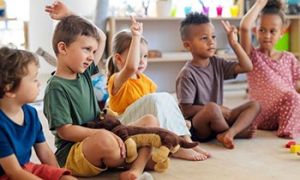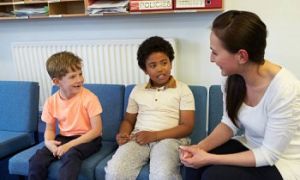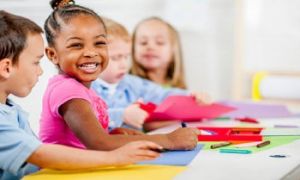
Batching observations streamlines documentation by capturing group learning moments and linking them to multiple children’s EYLF outcomes, saving time while ensuring quality.
Observation requirements can feel overwhelming when you have to produce multiple individual notes, group observations, and art blurbs each month. Batching is about capturing learning moments efficiently—one experience can generate evidence for several children, saving time while still meeting EYLF expectations.
EYLF Alignment
The EYLF encourages flexible documentation that reflects children’s learning journeys. Batching supports this by:
- Linking shared experiences to multiple outcomes (e.g., collaboration, communication, problem-solving).
- Demonstrating intentional teaching and reflection without duplicating effort.
- Ensuring continuity in the planning cycle while reducing educator workload.
How It Works
1. Capture Group Experiences
Start with one rich activity that involves multiple children.
- Choose open-ended play (blocks, art, sensory)
- Take photos or jot quick notes
- Record different children’s contributions
2. Break Down Individual Learning
From the group experience, highlight each child’s unique learning.
- Note language used, problem-solving, or social skills
- Link each child’s actions to EYLF outcomes
- Create short individual obs from one shared event
3. Double-Up Documentation
Use one activity to meet multiple requirements.
- Turn group play into both a group obs and art piece
- Add captions or blurbs to artwork linking to outcomes
- Reduce duplication by reusing evidence
4 Streamline Recording Methods
Keep formats simple and consistent.
- Use photo-plus-caption style obs
- Create templates/checklists for quick write-ups
- Batch notes at the end of the day instead of mid-play
Practical Examples
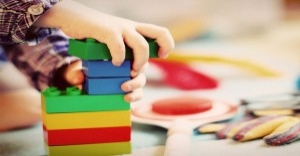
- Block Play: Children build towers together. One photo can become a group observation (collaboration), plus individual notes (math language, problem-solving).
- Art Session: A painting activity can serve as the art piece with a blurb while also providing individual obs (fine motor, creativity) and group evidence (shared materials, turn-taking).
- Outdoor Play: A sandpit game can be written up once, then tagged to multiple children’s profiles with different outcome links.
- Cooking activity: While making fruit salad, you can capture fine motor skills (cutting), language (talking about ingredients), and social skills (sharing tasks). One observation can be split across several children with different EYLF outcome links.
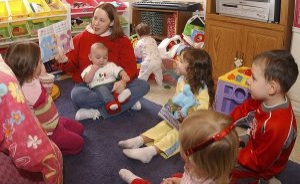
- Story time: A group read‑aloud can show listening, comprehension, and communication. You can tag individual children who ask questions or retell parts of the story while also writing a group observation.
- Outdoor obstacle course: Children climbing, balancing, and cheering each other on gives you evidence of physical development, resilience, and belonging. One set of notes can be batched into multiple profiles.
- Art station: A painting session can double as the monthly art piece with a blurb, plus individual obs (creativity, fine motor) and group evidence (sharing materials, collaborative mural).
- Music and movement: Singing and dancing together shows confidence, expression, and social interaction. You can highlight individual children’s rhythm or leadership while also documenting the group experience.
Tips for Success
- Keep a shared notebook for quick notes.
- Use EYLF outcome checklists to tag observations quickly.
- Batch during quieter times (rest, end of day) rather than interrupting play.
- Don’t overcomplicate—short, intentional notes are valid evidence.
Bottom line: batching observations is absolutely possible within the EYLF. It’s about being intentional, efficient, and reflective, not about producing mountains of paperwork.
Further Reading
Observations in Childcare
Step-by-Step Guide to Writing an Observation
Q: How Do I Write A Group Observation?
Practical Guide: Finding the Words for Observations
Q: How Do I Write An Observation?



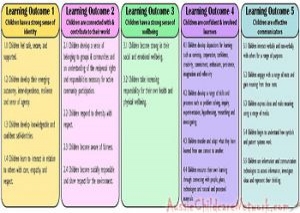 Here is the list of the EYLF Learning Outcomes that you can use as a guide or reference for your documentation and planning. The EYLF
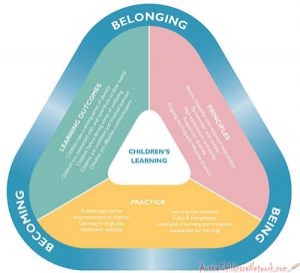 The EYLF is a guide which consists of Principles, Practices and 5 main Learning Outcomes along with each of their sub outcomes, based on identity,
 This is a guide on How to Write a Learning Story. It provides information on What Is A Learning Story, Writing A Learning Story, Sample
 One of the most important types of documentation methods that educators needs to be familiar with are “observations”. Observations are crucial for all early childhood
 To support children achieve learning outcomes from the EYLF Framework, the following list gives educators examples of how to promote children's learning in each individual
 Reflective practice is learning from everyday situations and issues and concerns that arise which form part of our daily routine while working in an early
 When observing children, it's important that we use a range of different observation methods from running records, learning stories to photographs and work samples. Using
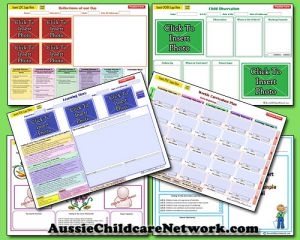 Within Australia, Programming and Planning is reflected and supported by the Early Years Learning Framework. Educators within early childhood settings, use the EYLF to guide
 This is a guide for educators on what to observe under each sub learning outcome from the EYLF Framework, when a child is engaged in
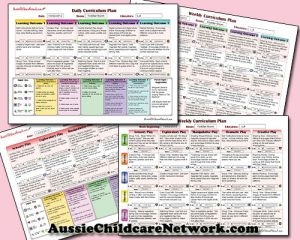 The Early Years Learning Framework describes the curriculum as “all the interactions, experiences, activities, routines and events, planned and unplanned, that occur in an environment