50 fun toddler activities (1–2 years) to boost learning, play, and EYLF outcomes every day.
Toddlers between 1 and 2 years old are at a stage of rapid discovery. They are curious explorers who learn best through hands‑on play, repetition, and sensory experiences. At this age, activities don’t just entertain; they nurture fine motor skills, gross motor development, language growth, social interaction, and emotional regulation.
Simple experiences like playdough exploration, rice sensory bins, or posting sticks help toddlers build confidence, experiment with cause‑and‑effect, and begin to express their identity. Group activities such as water play or bubble play foster social connections, while quiet play like story baskets or soft toy cuddles supports emotional well-being.
By offering a wide variety of experiences across sensory, motor, language, and social domains, educators can ensure toddlers are exposed to rich opportunities that align with the EYLF outcomes, helping them grow into confident, connected, and capable learners.
Creative & Sensory Play
- Playdough exploration with simple tools
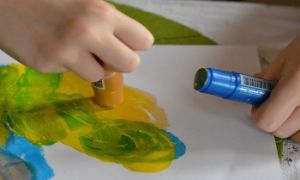
- Finger painting using edible paints
- Rice sensory bins with scoops and cups
- Water play in shallow trays
- Sand play with buckets and spoons
- Bubble play chasing and popping
- Cornflour goop (non‑Newtonian fun!)
- Nature sensory trays with leaves, pinecones, shells
- Foam play with soap bubbles or shaving foam
- Ice play with frozen toys or colored cubes
Fine Motor
- Posting sticks into cartons
- Pom‑pom push through cardboard holes
- Shape sorters chunky puzzles
- Stacking cups towers and nesting
- Large beads threading with shoelaces
- Velcro boards sticking and peeling
- Sticky tape balls pressing and pulling
- Peg boards chunky pegs
- Treasure baskets everyday objects to explore
- Simple puzzles with animals or vehicles
Gross Motor & Movement
- Tunnel crawling with fabric tunnels
- Soft climbing blocks
- Ball rolling back and forth
- Push toys carts or walkers
- Ride‑on toys indoors or outdoors
- Dancing with scarves
- Parachute play small group fun
- Obstacle cushions crawl over/under
- Ball pit safe tumbling
- Animal walks pretending to hop, crawl, and waddle
Language & Cognitive
- Nursery rhyme singing with actions
- Story baskets props with books
- Picture books chunky board books
- Animal sounds play matching toys to sounds
- Flashcards with simple images
- Peekaboo games with scarves
- Mirror play making faces
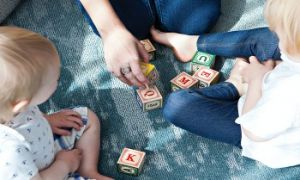
- Sorting colors with blocks or balls
- Counting songs “Five Little Ducks” style
- Simple matching picture pairs
Nature & Everyday Play
- Garden exploration touching plants
- Collecting leaves and sticking them
- Animal figurines in sensory trays
- Cooking role play with pots and spoons
- Pretend feeding dolls
- Transport toys pushing cars and trucks
- Farm play with animals and barns
- Nature walks collecting treasures
- Outdoor chalk drawing
- Watering plants with small cans
Calm & Cozy Play
- Soft toy cuddles
- Blanket forts cozy hideouts
- Light table play with translucent shapes
- Glow sticks in bottles: safe sensory fun
- Quiet reading corner
- Gentle massage with lotion or oil
- Calm music listening
- Soft scarves peekaboo
- Shadow play with torches
- Stuffed animal role play
The key is variety, repetition, and observation, offering toddlers rich experiences while noticing how they engage, adapt, and grow. With this toolkit of activities, you’re not just filling time; you’re shaping confident, capable learners who feel secure, connected, and joyful in their early years.
Further Reading
Writing Observations For Babies
Achieving EYLF Outcome 1 in the Babies Room
Diversity & Inclusion Play Ideas for Babies/Toddlers
Outdoor Play for Babies: Belonging, Being, Becoming
 Open ended questions cannot be responded to with one word answers such as yes or no. These types of questions enables a child to provide
 During your child’s preschool years, an important milestone begins to emerge. This is the development of pre-writing skills. Pre-writing skills are used to encourage, develop
 An Acknowledgment of the Country is a way of showing respect for the Traditional Owners and can be given by both non-Indigenous people and Aboriginal
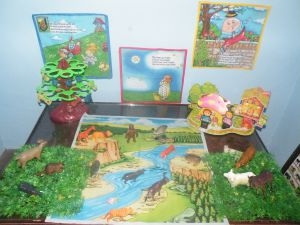 Open ended materials enables children to play freely. They are objects that have no rules to follow, use or function. Raw materials that can be
 Language plays an important role in a child’s development. It enables a child to communicate effectively with their family, learn at school, socialize with friends,
 Like adults, children have to deal with their own stress in life. Moving house, starting a new school, preparing for a new sibling - these are
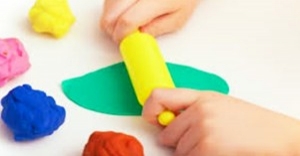 Playdough is such a versatile material. It provides numerous benefits to children as they manipulate it, it is safe and soothing and provides children with
 Teaching children about sustainability enables them to appreciate and respect the natural environment. Early childhood services can provide meaningful hand on learning experiences in order
 Recycling is an important concept that teaches children to care for the environment. It encourages children to be responsible and show a growing appreciating for
 Incursions provide children with the opportunity to explore meaningful learning experiences in the comfort of their early childhood service. The following provides a directory of