


EYLF Outcome 4: Children Are Confident and Involved Learners, focuses on fostering children's confidence and involvement as learners. The following article provides information on Strategies To Achieve Outcome 4 With Babies, Goals For Babies To Acheive EYLF Outcome 4, Example Activities That Link With Outcome 4 For Babies, and more.
Achieving EYLF Outcome 3: Children Have a Strong Sense Of Wellbeing, in the babies' room focuses on fostering a strong sense of well-being in infants. The following article provides information on Strategies To Achieve Outcome 3 With Babies, Goals For Babies To Acheive EYLF Outcome 3, Example Activities That Link With Outcome 3 For Babies, and more.
EYLF Learning Outcome 5 focuses on effective communication, helping children develop verbal and non-verbal skills to express themselves confidently. The following article provides information on Key Learning Goals, Strategies To Support Learning Goals, Activities That Link To EYLF Learning Outcome 5, Lesson Plan Sample For EYLF Outcome 5, and more.
Outcome 4: Children Are Confident And Involved Learners in the Early Years Learning Framework (EYLF) focuses on fostering children's curiosity, creativity, and inquiry. The following article provides information on Key Learning Goals, Strategies To Support Learning Goals, Activities That Link To EYLF Learning Outcome 4, Lesson Plan Sample For EYLF Outcome 4, and more.
Achieving EYLF Outcome 2: Children Are Connected With And Contribute To Their World in the babies' room developing a sense of connectedness and contribution to their world. The following article provides information on Strategies To Achieve Outcome 2 With Babies, Goals For Babies To Acheive EYLF Outcome 2, Example Activities That Link With Outcome 2 For Babies, and more.
Achieving EYLF Outcome 1: Children have a strong sense of identity in the babies' room involves creating an environment where each child feels safe, secure, and supported. The following article provides information on Strategies To Achieve Outcome 1 With Babies, Goals For Babies To Acheive EYLF Outcome 1, Example Activities That Link With Outcome 1 For Babies, and more.
EYLF Learning Outcome 3 focuses on "Children Have A Strong Sense Of Wellbeing." The following article provides information on Key Learning Goals, Strategies To Support Learning Goals, Activities That Link To EYLF Learning Outcome 3, Lesson Plan Sample For EYLF Outcome 3, and more.
The Early Years Learning Framework (EYLF) is guided by the concepts of "Belonging, Being, and Becoming," which are central to children's learning and development. The following article provides information on Understanding Belonging, Being and Becoming, Examples Of Belonging, Being and Becoming, Implementing Belonging, Being and Becoming and more.

EYLF Learning Outcome 2 focuses on "Children Are Connected With And Contribute To Their World." The following article provides information on Key Learning Goals, Strategies To Support Learning Goals, Activities That Link To EYLF Learning Outcome 2, Lesson Plan Sample For EYLF Outcome 2 and more.

Learning trajectories in early childhood refer to the developmental pathways that children typically follow as they acquire new skills and knowledge. The following article provides information on What Are Learning Trajectories In Early Childhood, Learning Trajectory Domains, How To Use Learning Trajectories In Early Childhood, Using Learning Trajectories In Play Based Activities, Learning Trajectories And The EYLF and more.
 Toddlers have a greater understanding of the world around them by this stage. Their cognitive development (also known as intellectual development and thinking skills) continues… Read More
 Infants begin to develop trust when parents begin to fulfil their needs. Such as changing an infant's nappy when needed, feeding on request and holding… Read More
 Beginning at birth the construction of thought processes, such as memory, problem solving, exploration of objects etc, is an important part of an infant’s cognitive… Read More
 Toddlers want to do more on their own and do not like it when you begin to establish limits on their behaviour. Tantrums can become… Read More
 Your preschooler is now able to focus their attention more accurately and is less influenced by distractions. The intensity of questions increase as your child… Read More
 John Dewey is often seen as the proponent of learning by doing – rather than learning by passively receiving. He believed that each child was active,… Read More
 Erik Erikson developed a psychosocial theory to understand how we each develop our identities through eight stages of psychosocial development from infancy to adulthood. The… Read More
 Toddler advance and gains new skills in Gross Motor Development milestones achieved throughout earlier years. Co-ordination and challenges that could not be performed before such… Read More
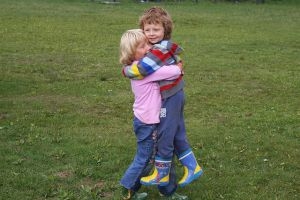 At this point preschoolers begin to interact effectively with others. Play becomes more innovative and organized and “boyfriend” or “girlfriend” begins to emerge. Preschoolers have… Read More
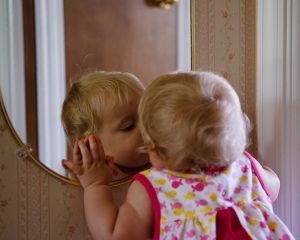 From now, babies begin to identify and respond to their own feelings, understanding other's feelings & needs and interact positively with others. A baby's social and… Read More
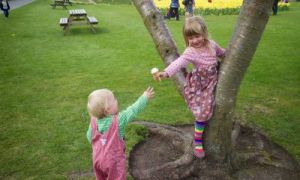
As a parent, your behavioural expectations of your child can be higher than what is...
See more...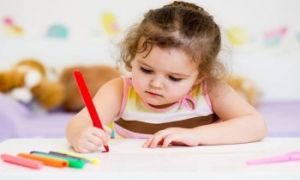
The development of writing skills depends on a variety of physiological and environmental factors. Children...
See more...
Caring for babies in their gross motor development stage involves encouraging activities that promote strength...
See more...