



Stress is a reality in many workplaces, but in early childhood education it can be particularly acute. Between compliance demands, emotional labour, and chronic understaffing, educators often face pressures that impact their well-being. Stress leave is possible—and when stress is directly caused by work, WorkCover may apply. This article explains the difference, the process, and the evidence required to make a successful claim.

Educators often wonder: Do we need to display something from every culture every day to be inclusive? The answer is no. The EYLF not require a daily checklist of cultural artifacts. Instead, it emphasises creating environments that are inclusive, meaningful, and responsive to the children, families, and communities you serve.
Authentic representation is about embedding diversity across the year and ensuring children see their identities reflected in ways that feel genuine, not tokenistic. This article provides a practical framework for balancing broad diversity with specific cultural representation.
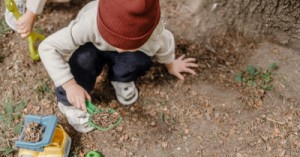
Designing outdoor spaces for little ones is about balancing safety, sensory exploration, and opportunities for growth. Babies and toddlers thrive in environments that invite curiosity while supporting their developmental milestones. Below are practical, creative ideas to guide your setup.

Educational leaders hold a unique position in early childhood services: part mentor, part compliance guide, and part visionary. The role is not about quick fixes; it’s about cultivating a reflective culture where educators', families', and children’s voices shape practice. This 12‑month roadmap offers a structured yet flexible guide, helping leaders pace their focus across programming, planning, family engagement, compliance, and professional growth.
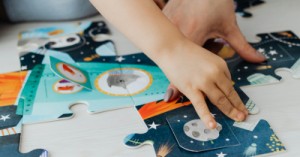
For 3-year-olds who don’t nap, the key is offering calm, quiet, and engaging activities that help them reset without disturbing their sleeping peers. Think soft, independent activities like story listening, mindful breathing, or quiet table play. Here are some structured ideas you can try in your centre:
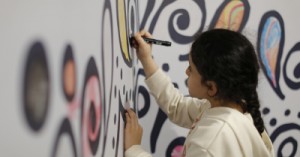
Displays are more than decoration, they shape how children and families feel in a space. Overly busy walls can overwhelm, while thoughtful, curated displays invite calm, belonging, and genuine connection. As educators, our role is to ensure displays reflect children’s voices, celebrate diversity, and communicate clearly with families, all while maintaining a soothing environment.
This guide offers principles, reflection prompts, and practical examples to help educators design displays that are purposeful, inclusive, and calming.

Educators in Australia must conduct at least one emergency evacuation drill per year under AS 3745-2010, with best practice being every six months. Fire drills are directly linked to the Education and Care Services National Regulations and Quality Area 2 of the National Quality Standard (NQS), ensuring children’s safety and wellbeing.

Duty of care is more than a legal obligation—it is the foundation of safe, ethical, and professional practice. In education, healthcare, and community services, it means ensuring that every decision, action, and environment prioritizes the wellbeing of those in our care. Compliance is not about ticking boxes; it is about embedding responsibility into everyday routines.

Sensory boards, often called busy boards, are interactive panels designed to stimulate children’s senses and encourage hands-on exploration. They combine everyday objects, locks, switches, textures, zippers, bells, into a safe, engaging platform that nurtures curiosity, problem-solving, and fine motor skills.

The International Day of Happiness, observed globally on 20th March, is an opportunity to highlight the importance of well-being, joy, and positive relationships in children’s lives. In early childhood settings, celebrating this day can foster belonging, resilience, and emotional literacy. By embedding happiness-focused activities into daily routines, educators can nurture environments where children, families, and staff thrive together.
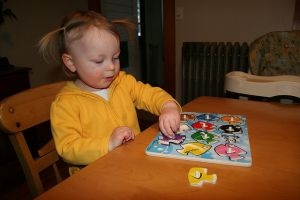 Toddlers have a greater understanding of the world around them by this stage. Their cognitive development (also known as intellectual development and thinking skills) continues… Read More
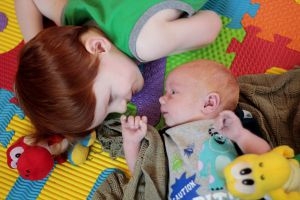 Infants begin to develop trust when parents begin to fulfil their needs. Such as changing an infant's nappy when needed, feeding on request and holding… Read More
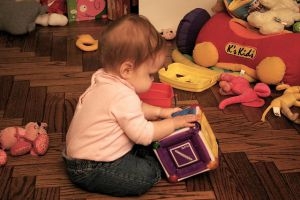 Beginning at birth the construction of thought processes, such as memory, problem solving, exploration of objects etc, is an important part of an infant’s cognitive… Read More
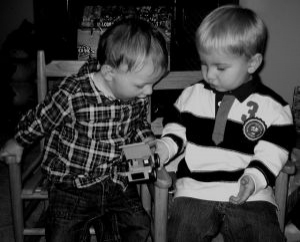 Toddlers want to do more on their own and do not like it when you begin to establish limits on their behaviour. Tantrums can become… Read More
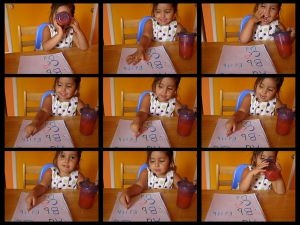 Your preschooler is now able to focus their attention more accurately and is less influenced by distractions. The intensity of questions increase as your child… Read More
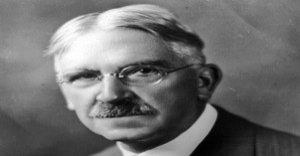 John Dewey is often seen as the proponent of learning by doing – rather than learning by passively receiving. He believed that each child was active,… Read More
 Erik Erikson developed a psychosocial theory to understand how we each develop our identities through eight stages of psychosocial development from infancy to adulthood. The… Read More
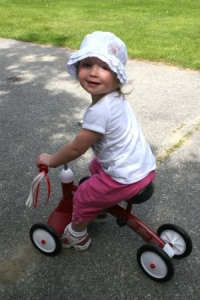 Toddler advance and gains new skills in Gross Motor Development milestones achieved throughout earlier years. Co-ordination and challenges that could not be performed before such… Read More
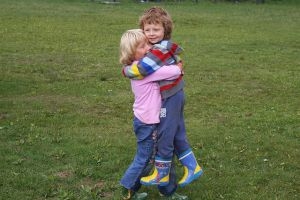 At this point preschoolers begin to interact effectively with others. Play becomes more innovative and organized and “boyfriend” or “girlfriend” begins to emerge. Preschoolers have… Read More
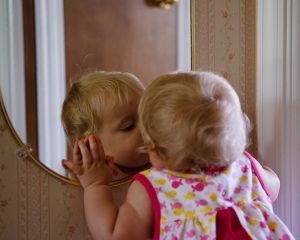 From now, babies begin to identify and respond to their own feelings, understanding other's feelings & needs and interact positively with others. A baby's social and… Read More
Guidance for supporting children experiencing family separation. Focuses on emotional wellbeing.
See more...
Erik Erikson developed a psychosocial theory to understand how we each develop our identities through...
See more...
Attention deficit hyperactivity disorder (ADHD) is a psychiatric disorder of the neurodevelopmental type in which...
See more...