



Reflective practice is essential for continuous growth in early childhood education. As a leader, fostering a culture of self-reflection helps educators refine their teaching methods, identify strengths, and enhance their impact on children’s learning experiences. Here's how to lead reflective practices effectively and an example of reflective practice in action.

Engaging families in early learning is crucial for fostering a collaborative environment that supports children's development. Here are some practical strategies on how to get families involved in their child's learning.

Building positive relationships with families is essential, and simple, thoughtful greetings go a long way in creating a welcoming environment. The following article provides tips for educators on how they can approach drop-offs and pick-ups effectively.

Providing constructive feedback is an essential skill for fostering growth, trust, and improvement. Here’s a structured guide to help you deliver feedback effectively.

The following article provides a list of Professional Development Goals that can be implemented to develop team collaboration and cohesiveness, effective conflict resolution, Success Measures, Workshop Topic Ideas and more.

Practical strategies to embed NSW Child Safe Standards in childcare, ensuring safety, inclusion, and strong family partnerships.

Fostering independence in children is one of the greatest gifts we can give them. A small but impactful step in this journey is encouraging children to walk into the center on their own each day. This simple practice not only builds confidence but also helps children view themselves as capable and competent. The following article provides information on Why Walking Matters, Strategies To Encourage Children To Walk Into The Service On Their Own, Practically Implementing The Strategies, Encouraging Parents To Support Their Child To Walk Into The Service Independently, and more.

There are a significant number of educators undertaking study to gain formal qualifications. There is also a need for educators in the early childhood workforce, who are undertaking study, to feel supported to strive to achieve their career goals and remain in the workforce. Leading Learning Circles for Educators Engaged in Study is designed to assist pedagogical leaders in supporting educators in their service who are undertaking study. The following article provides information on What Is Leading Learning Circles for Educators Engaged in Study, How Does This Helps Educators Who Are Studying, How To Get Started, Roadmap To Get Started, Reflective Questions, Examples Of Connecting Theory To Practice and Leading Learning Circles for Educators Engaged in Study Resource.

Loose parts materials inspire babies, toddlers, and preschoolers to explore, build, and create, boosting motor skills, imagination, and social play.

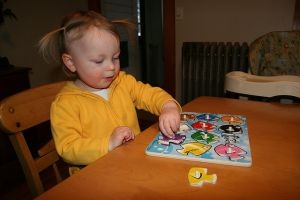 Toddlers have a greater understanding of the world around them by this stage. Their cognitive development (also known as intellectual development and thinking skills) continues… Read More
 Infants begin to develop trust when parents begin to fulfil their needs. Such as changing an infant's nappy when needed, feeding on request and holding… Read More
 Beginning at birth the construction of thought processes, such as memory, problem solving, exploration of objects etc, is an important part of an infant’s cognitive… Read More
 Toddlers want to do more on their own and do not like it when you begin to establish limits on their behaviour. Tantrums can become… Read More
 Your preschooler is now able to focus their attention more accurately and is less influenced by distractions. The intensity of questions increase as your child… Read More
 John Dewey is often seen as the proponent of learning by doing – rather than learning by passively receiving. He believed that each child was active,… Read More
 Erik Erikson developed a psychosocial theory to understand how we each develop our identities through eight stages of psychosocial development from infancy to adulthood. The… Read More
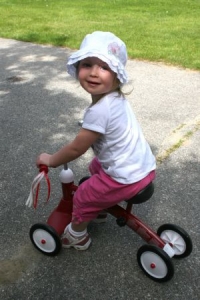 Toddler advance and gains new skills in Gross Motor Development milestones achieved throughout earlier years. Co-ordination and challenges that could not be performed before such… Read More
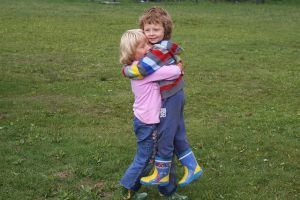 At this point preschoolers begin to interact effectively with others. Play becomes more innovative and organized and “boyfriend” or “girlfriend” begins to emerge. Preschoolers have… Read More
 From now, babies begin to identify and respond to their own feelings, understanding other's feelings & needs and interact positively with others. A baby's social and… Read More

Neurodivergence refers to natural variations in how brains process information, emotions, and social interactions. In...
See more...
Reset activities help children regain calm, rebuild confidence, and smoothly transition back to play and...
See more...
It is not uncommon for educators to confide that transitions tend to be the most...
See more...