


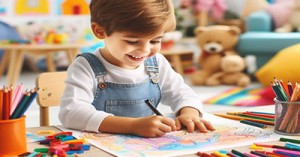
Children's drawing isn't just a pastime—it plays a crucial role in their development and learning. The following article provides information on Why Drawing Is Essential For Children, Activities That Can Promote Drawing Skills In Children, Age-appropriate Drawing Activities For Toddlers, How Drawing Helps Children Express Their Emotions, Activities That Can Help Children Express Emotions Through Drawing and more.
Incorporating cultural texts into nursery rhymes is a fantastic way to celebrate diversity and introduce children to different cultures. The following article provides information on The Importance To Incorporate Cultural Text Into Nursery Rhymes, Steps To Incorporate Cultural Texts, Example Adaptions, and more.
The value of play in early childhood cannot be overstated, as it is essential for a child's overall development and well-being. The following article provides information on Why Play Is So Valuable, What Is Play?, Why Is Play Important For Children's Development, Educator's Role In Play, Styles Of Play, What Happens When Children Don't Play, How To Encourage Children To Play, Play Theories, Linking Play To The EYLF and more.
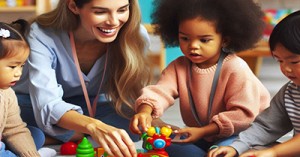

Engaging parents in early childhood activities is a wonderful way to build a strong community and support children's development. The following article provides a list of Activity Ideas For Parents in early childhood settings.

Starting a new job, especially in early childhood education, can be both exciting and anxiety-inducing. The following article provides information on Strategies To Manage Anxiety, How To Get To Know Staff, How To Get To Know Children, How To Get To Know Families, How To Show Initiative, How To Show Initiative In Early Childhood Classroom and more.

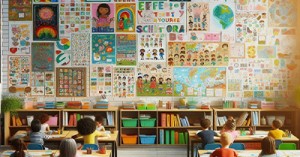
Setting up room displays can be quite exciting. The following article provides information on Non Negotiable Displays, Highly Recommended Displays, Optional Displays, Displays To Meets NQS In Australia, Displays To Meet National Regulations, Quality Ratings Display, Ideas For Creating A Children's Art Display, Examples Of Cultural Displays, Examples Of Aboriginal and Torres Strait Islander Displays, Themed Displays, Creating A Parent Displays and more.

Writing a personal philosophy for early childhood educators is a meaningful way to articulate your values, beliefs, and approaches to teaching young children. The following article provides information on What Is A Personal Philosophy, Key Components To Include, Writing Tips, Sample Personal Philosophy, Questions To Reflect On, Why Is It Important To Write A Personal Philosophy, and more.
 Toddlers have a greater understanding of the world around them by this stage. Their cognitive development (also known as intellectual development and thinking skills) continues… Read More
 Infants begin to develop trust when parents begin to fulfil their needs. Such as changing an infant's nappy when needed, feeding on request and holding… Read More
 Beginning at birth the construction of thought processes, such as memory, problem solving, exploration of objects etc, is an important part of an infant’s cognitive… Read More
 Toddlers want to do more on their own and do not like it when you begin to establish limits on their behaviour. Tantrums can become… Read More
 Your preschooler is now able to focus their attention more accurately and is less influenced by distractions. The intensity of questions increase as your child… Read More
 John Dewey is often seen as the proponent of learning by doing – rather than learning by passively receiving. He believed that each child was active,… Read More
 Erik Erikson developed a psychosocial theory to understand how we each develop our identities through eight stages of psychosocial development from infancy to adulthood. The… Read More
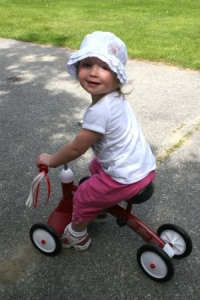 Toddler advance and gains new skills in Gross Motor Development milestones achieved throughout earlier years. Co-ordination and challenges that could not be performed before such… Read More
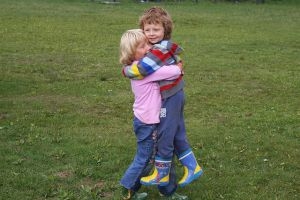 At this point preschoolers begin to interact effectively with others. Play becomes more innovative and organized and “boyfriend” or “girlfriend” begins to emerge. Preschoolers have… Read More
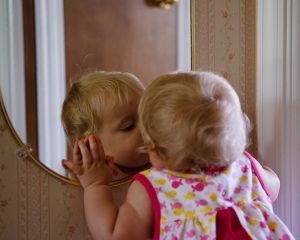 From now, babies begin to identify and respond to their own feelings, understanding other's feelings & needs and interact positively with others. A baby's social and… Read More
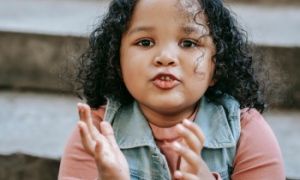
Stimming refers to repetitive movements, sounds, or actions that people use to regulate emotions, manage...
See more...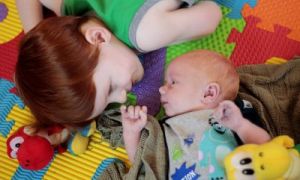
Infants begin to develop trust when parents begin to fulfil their needs. Such as changing...
See more...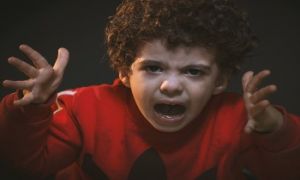
Anger is an emotion that we all feel that is a natural response to certain...
See more...