


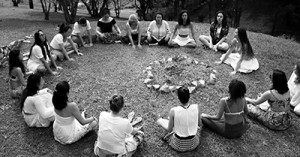
Sharing circles are a powerful tool for fostering collaboration, reflection, and connection among educators in early childhood settings. They create a safe and inclusive space where educators can share experiences, challenges, and successes, promoting professional growth and emotional well-being. Here are some insights and ideas based on the concept of sharing circles.

Empowering educator well-being and belonging is about creating an environment where educators feel seen, supported, and valued—not just as professionals but as whole people. When educators feel that what they do truly matters, they’re more engaged, resilient, and effective in fostering meaningful connections with children. Here are some ways to bring this into everyday practice.

Shifting toward a more interactive culture requires intentional, supportive practice. Here are some ideas to encourage educators to actively engage with children.

A RAP, or Reconciliation Action Plan, is a formal framework designed to promote reconciliation between Indigenous and non-Indigenous Australians. It outlines practical actions to foster respectful relationships, create opportunities, and celebrate the rich cultures of Aboriginal and Torres Strait Islander peoples. The following article provides information on How To Develop A RAP, Examples of Initiatives To Include In A RAP, Creating A Reconciliation Action Plan, RAP Framework, Examples, and more.

Schematic play refers to repeated patterns of behavior that children exhibit as they explore the world around them. These behaviors, known as schemas, are essential for understanding how things work and for brain development. The following article provides information on Nine Schemas in Young Children's Play, How To Encourage Schematic Play, Activity Ideas For Schema Play and more.

The relationship between families and educators forms the backbone of a supportive environment for children’s growth. When these partnerships are strong, they create a continuity of care and shared values that empower children to thrive both academically and emotionally. The following article provides information on Strategies For Building Relationships Between Families and Educators, How Relationships Influence Positive Outcomes For Children and more.

Becoming an effective leader in early childhood education requires mastering a blend of communication, organizational, and relationship-building skills. Here’s how educational leaders can develop and enhance their leadership abilities.

Reflective practice is essential for continuous growth in early childhood education. As a leader, fostering a culture of self-reflection helps educators refine their teaching methods, identify strengths, and enhance their impact on children’s learning experiences. Here's how to lead reflective practices effectively and an example of reflective practice in action.

Engaging families in early learning is crucial for fostering a collaborative environment that supports children's development. Here are some practical strategies on how to get families involved in their child's learning.

Building positive relationships with families is essential, and simple, thoughtful greetings go a long way in creating a welcoming environment. The following article provides tips for educators on how they can approach drop-offs and pick-ups effectively.
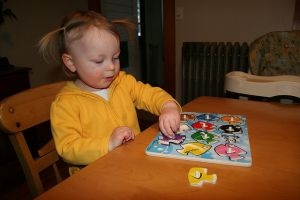 Toddlers have a greater understanding of the world around them by this stage. Their cognitive development (also known as intellectual development and thinking skills) continues… Read More
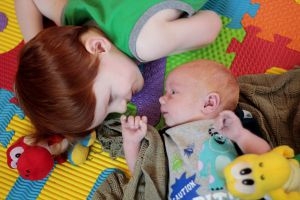 Infants begin to develop trust when parents begin to fulfil their needs. Such as changing an infant's nappy when needed, feeding on request and holding… Read More
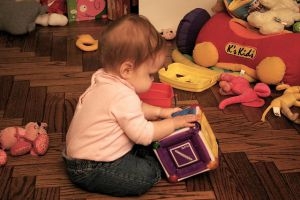 Beginning at birth the construction of thought processes, such as memory, problem solving, exploration of objects etc, is an important part of an infant’s cognitive… Read More
 Toddlers want to do more on their own and do not like it when you begin to establish limits on their behaviour. Tantrums can become… Read More
 Your preschooler is now able to focus their attention more accurately and is less influenced by distractions. The intensity of questions increase as your child… Read More
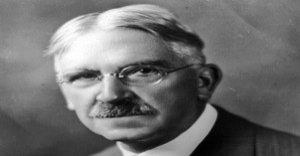 John Dewey is often seen as the proponent of learning by doing – rather than learning by passively receiving. He believed that each child was active,… Read More
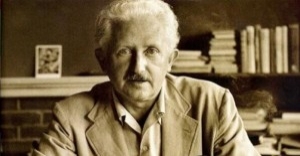 Erik Erikson developed a psychosocial theory to understand how we each develop our identities through eight stages of psychosocial development from infancy to adulthood. The… Read More
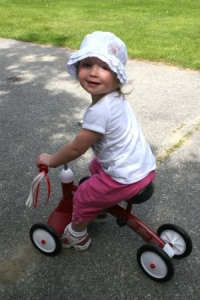 Toddler advance and gains new skills in Gross Motor Development milestones achieved throughout earlier years. Co-ordination and challenges that could not be performed before such… Read More
 At this point preschoolers begin to interact effectively with others. Play becomes more innovative and organized and “boyfriend” or “girlfriend” begins to emerge. Preschoolers have… Read More
 From now, babies begin to identify and respond to their own feelings, understanding other's feelings & needs and interact positively with others. A baby's social and… Read More
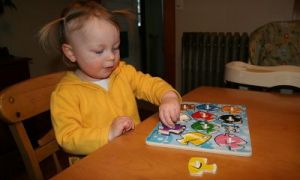
Toddlers have a greater understanding of the world around them by this stage. Their cognitive...
See more...
Luckily not all toddlers have "temper tantrums" but if you are reading this article, well...
See more...
Gardner proposed a theory of multiple intelligences that suggests there is more than one intelligence...
See more...