


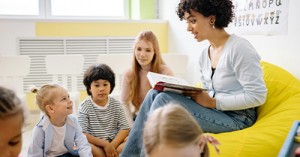
Group learning in early childhood offers numerous benefits that support children's cognitive, social, and emotional development. The following article provides information on the Benefits of Group Learning, Group Learning Strategies, Group Learning Activities, Strategies To Encourage Positive Behavior In Group Learning and more.
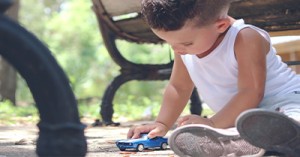
Independent play is a fantastic way for children to develop creativity, problem-solving skills, and confidence. The following article provides information on Benefits Of Independence Play, Practical Strategies To Encourage Independent Play, Why Do Children Struggle With Independent Play, Tips For Encouraging Independent Play, How Does Independent Play Change As Children Grow, Fostering Independent Play At Different Stages and more.

Here are some ways to dye pasta, whether for crafts, sensory play, or even naturally coloured edible pasta.

Educator burnout in early childhood services is a serious issue, but there are ways to manage and prevent it. The following article provides information on What Is Burnout, What Workplace Adjustments Can Help Reduce Burnout, Strategies On Dealing With Educator Burnout and more.

The following article provides a list of 25 creative team project ideas designed to engage early childhood educators in a meaningful, hands-on way.

Cold weather play is incredibly beneficial for early childhood development! It helps children build resilience, strengthen their immune systems, and develop essential motor skills. Here’s why outdoor play in winter is important.
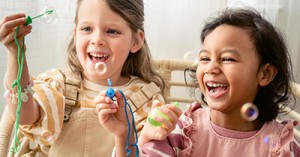
The "100 Languages of Children" is a concept from the Reggio Emilia Approach, an educational philosophy that emphasizes children's diverse ways of expressing themselves and learning. This approach encourages children to explore their creativity, curiosity, and individuality through various mediums, fostering a deeper understanding of the world around them.

The following article describes the actions to take if you think a child or a staff member is sick or if a notifiable disease occurs in the education and care service; it includes information on Watching For Symptoms In Children, Identifying Severe Sickness, What To Do If A Child Seems Sick, Keeping Records and more.

Descriptive praise and appreciative praise are powerful tools for encouraging positive behavior and fostering intrinsic motivation in children. The following article provides information on Descriptive Praise, Appreciative Praise, Examples and more.

Actively managing waste in an early learning service is essential for sustainability, cost efficiency, and environmental responsibility. Here are some effective strategies to implement waste management:
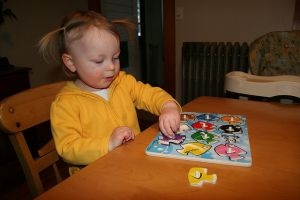 Toddlers have a greater understanding of the world around them by this stage. Their cognitive development (also known as intellectual development and thinking skills) continues… Read More
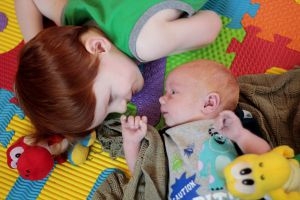 Infants begin to develop trust when parents begin to fulfil their needs. Such as changing an infant's nappy when needed, feeding on request and holding… Read More
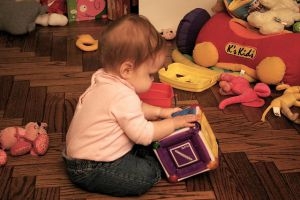 Beginning at birth the construction of thought processes, such as memory, problem solving, exploration of objects etc, is an important part of an infant’s cognitive… Read More
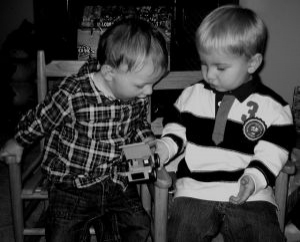 Toddlers want to do more on their own and do not like it when you begin to establish limits on their behaviour. Tantrums can become… Read More
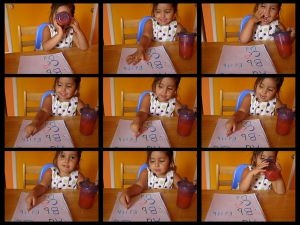 Your preschooler is now able to focus their attention more accurately and is less influenced by distractions. The intensity of questions increase as your child… Read More
 John Dewey is often seen as the proponent of learning by doing – rather than learning by passively receiving. He believed that each child was active,… Read More
 Erik Erikson developed a psychosocial theory to understand how we each develop our identities through eight stages of psychosocial development from infancy to adulthood. The… Read More
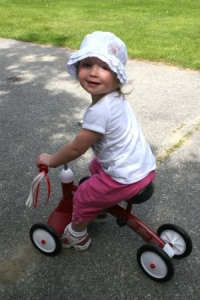 Toddler advance and gains new skills in Gross Motor Development milestones achieved throughout earlier years. Co-ordination and challenges that could not be performed before such… Read More
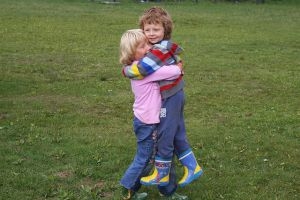 At this point preschoolers begin to interact effectively with others. Play becomes more innovative and organized and “boyfriend” or “girlfriend” begins to emerge. Preschoolers have… Read More
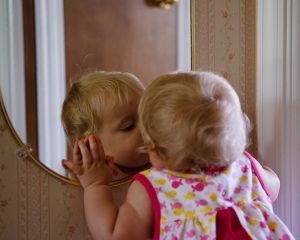 From now, babies begin to identify and respond to their own feelings, understanding other's feelings & needs and interact positively with others. A baby's social and… Read More
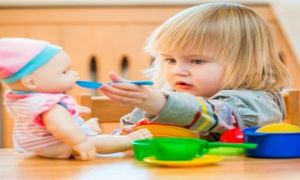
Swiss psychologist Jean Piaget theorized in the pre-operational stage between two and seven years, children...
See more...
Supporting a toddler with challenging behavior requires a combination of strategies and resources tailored to...
See more...
A school age child’s physical development has increased considerably at this point. Gross motor skills...
See more...