



School readiness" refers to a child's preparedness to succeed in a school environment. It's not just about academic skills like reading, writing, and math, but also encompasses the development of the whole child, including their social, emotional, physical, and cognitive skills. The following article provides information on Key Aspects Of School Readiness, How To Support School Readiness and more.

Writing transition statements in early childhood education is an important task that helps ensure a smooth transition for children moving from early childhood settings to primary school. The following article provides information on the Purpose Of Transition Statements, Key Components Of Transition Statements, Tips For Writing Transition Statements, Examples and more.

Showcasing children’s work creatively can boost their confidence and make them feel valued. The following article provides information on Showcasing Children's Work, Showcasing Children's Work Outdoors, Showcasing Ongoing Projects, Showcasing Collaborative Projects and more.

The theme of this year's Children's Week is Article 24 of the United Nations Convention on the Rights of the Child (UNCRC) - Article 24 Children have the right to a clean and safe environment. The following article provides information on Article 24, Practical Strategies To Achieve A Clean and Safe Environment For Children and more.


Meditation can be a wonderful tool for preschoolers to help them relax, focus, and manage their emotions. The following article provides simple and engaging meditation activities for young children.

Supporting the mental health of toddlers and preschoolers is crucial for their overall development. The following article provides information on effective strategies including Building Trusting Relationships, Teach Social Emotional Skills, Encourage Positive Interactions, Create A Multi Rich Environment, Professional Development and more.

The following lists useful contacts if you have a question or need support as a provider and for early learning services.

Providers of childcare care or early childhood educational services are required to get their service rated for quality by regulatory authorities. Quality ratings are provided after assessments against the seven quality areas outlined in the National Quality Standard or NQS. If your service has been rated ‘Working Towards’, here it what means and what you can do to improve your rating.
 Toddlers have a greater understanding of the world around them by this stage. Their cognitive development (also known as intellectual development and thinking skills) continues… Read More
 Infants begin to develop trust when parents begin to fulfil their needs. Such as changing an infant's nappy when needed, feeding on request and holding… Read More
 Beginning at birth the construction of thought processes, such as memory, problem solving, exploration of objects etc, is an important part of an infant’s cognitive… Read More
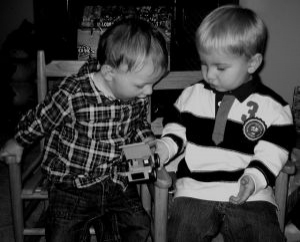 Toddlers want to do more on their own and do not like it when you begin to establish limits on their behaviour. Tantrums can become… Read More
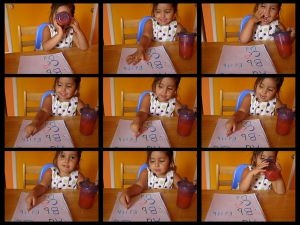 Your preschooler is now able to focus their attention more accurately and is less influenced by distractions. The intensity of questions increase as your child… Read More
 John Dewey is often seen as the proponent of learning by doing – rather than learning by passively receiving. He believed that each child was active,… Read More
 Erik Erikson developed a psychosocial theory to understand how we each develop our identities through eight stages of psychosocial development from infancy to adulthood. The… Read More
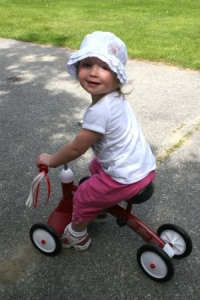 Toddler advance and gains new skills in Gross Motor Development milestones achieved throughout earlier years. Co-ordination and challenges that could not be performed before such… Read More
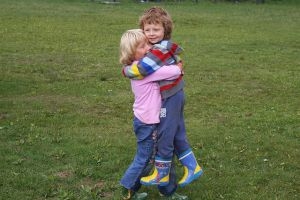 At this point preschoolers begin to interact effectively with others. Play becomes more innovative and organized and “boyfriend” or “girlfriend” begins to emerge. Preschoolers have… Read More
 From now, babies begin to identify and respond to their own feelings, understanding other's feelings & needs and interact positively with others. A baby's social and… Read More

Behaviour management can be challenging sometimes, with energetic toddlers and young children eager to explore...
See more...
Attachment theory is a key concept in developmental psychology that examines the importance of early...
See more...
Physical development includes not just the increase in length, height and weight of the child...
See more...