


The following lists the sub-outcomes, examples of evidence when children achieve each sub-outcome and how educators can promote and help children to achieve EYLF Outcome 5 - Children Are Effective Communicators V2.0.
The following lists the sub-outcomes, examples of evidence when children achieve each sub-outcome and how educators can promote and help children to achieve EYLF Outcome 4 - Children Are Confident And Involved Learners V2.0.
The following lists the sub-outcomes, examples of evidence when children achieve each sub-outcome and how educators can promote and help children to achieve EYLF Outcome 3 - Children Have A Strong Sense Of Wellbeing V2.0.

The following lists the sub-outcomes, examples of evidence when children achieve each sub-outcome and how educators can promote and help children to achieve EYLF Outcome 2 - Children Are Connected With And Contribute To Their World V2.0.
The following lists the sub outcomes, examples of evidence when children can achieve each sub outcome and how educators can promote and help children to achieve EYLF Learning Outcome 1: Children Have A Strong Sense Of Identity
The 5 Learning Outcomes are intended to document the complex and integrated learning and development of every child from birth to age five. They recognise that children learn in a variety of ways and at varying rates depending on their ability. The following articles provide a list of the 5 EYLF Learning Outcomes and their sub-outcomes (Version 2.0).

All Australian, state and territory Education Ministers have now collectively approved updates to Australia’s EYLF and MTOP-approved learning frameworks.
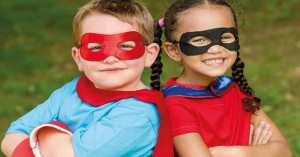
Play provides opportunities for children to learn as they discover, create, improvise and imagine. Creative play in children immerse themselves in their imaginary worlds they become whatever they want to be. Also known as role play, and pretend play, the benefits of creative play range from learning to think in abstractions to social and emotional learning. The following article provides ideas and strategies for incorporating creative play in each individual eylf learning outcomes.
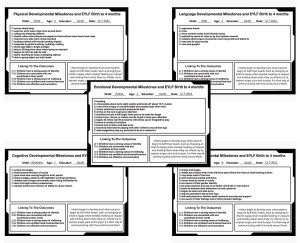
The Developmental Milestones Checklist EYLF Birth to 4 Months enables Educators to link each of the milestones within the developmental domains to the EYLF Outcomes.

Experiences in early childhood settings build on the range of experiences with language, literacy and numeracy that children have within their families and communities. The following article provides activities to promote each of the sub-outcomes of EYLF Outcome 5 - Children Are Effective Communicators.
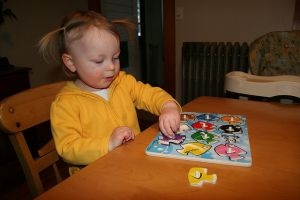 Toddlers have a greater understanding of the world around them by this stage. Their cognitive development (also known as intellectual development and thinking skills) continues… Read More
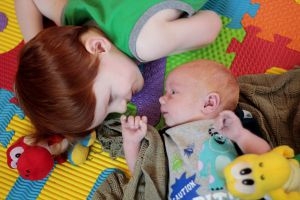 Infants begin to develop trust when parents begin to fulfil their needs. Such as changing an infant's nappy when needed, feeding on request and holding… Read More
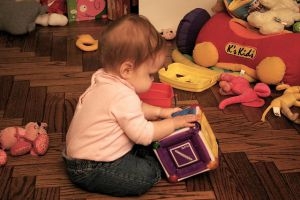 Beginning at birth the construction of thought processes, such as memory, problem solving, exploration of objects etc, is an important part of an infant’s cognitive… Read More
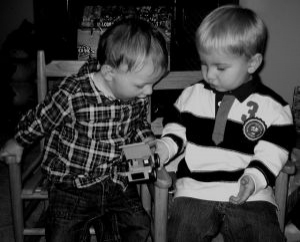 Toddlers want to do more on their own and do not like it when you begin to establish limits on their behaviour. Tantrums can become… Read More
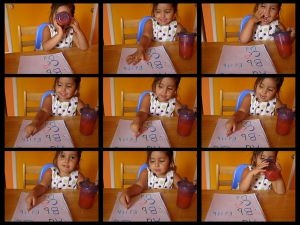 Your preschooler is now able to focus their attention more accurately and is less influenced by distractions. The intensity of questions increase as your child… Read More
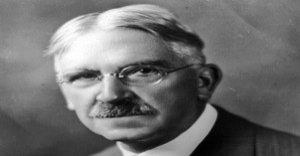 John Dewey is often seen as the proponent of learning by doing – rather than learning by passively receiving. He believed that each child was active,… Read More
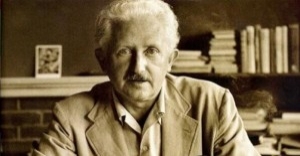 Erik Erikson developed a psychosocial theory to understand how we each develop our identities through eight stages of psychosocial development from infancy to adulthood. The… Read More
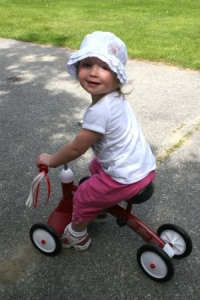 Toddler advance and gains new skills in Gross Motor Development milestones achieved throughout earlier years. Co-ordination and challenges that could not be performed before such… Read More
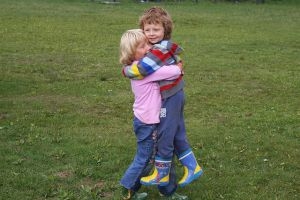 At this point preschoolers begin to interact effectively with others. Play becomes more innovative and organized and “boyfriend” or “girlfriend” begins to emerge. Preschoolers have… Read More
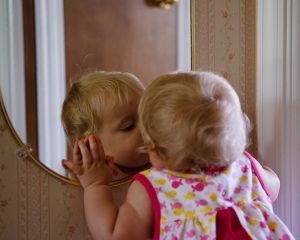 From now, babies begin to identify and respond to their own feelings, understanding other's feelings & needs and interact positively with others. A baby's social and… Read More
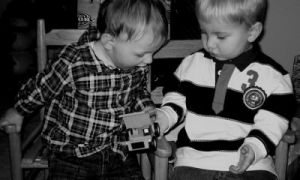
Toddlers want to do more on their own and do not like it when you...
See more...
Learning styles, according to Howard Gardner, are the ways in which an individual approaches a...
See more...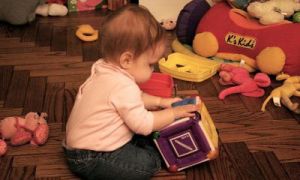
Beginning at birth the construction of thought processes, such as memory, problem solving, exploration of...
See more...