search aussie childcare network

Articles

  • Detail View
  • List View
This cheat sheet condenses the principles, practices, and learning outcomes into a quick reference, with real OOSH examples to show how theory translates into everyday practice.
April is filled with cultural celebrations, awareness days, and playful observances. These programming ideas support educators in planning engaging experiences that connect children to community, diversity, and well-being, while linking to EYLF outcomes.
A: While photos can enrich documentation by capturing moments visually, many observations are just as powerful when conveyed through thoughtful narrative, voice transcripts, symbolic sketches, or emotionally intelligent reflection.
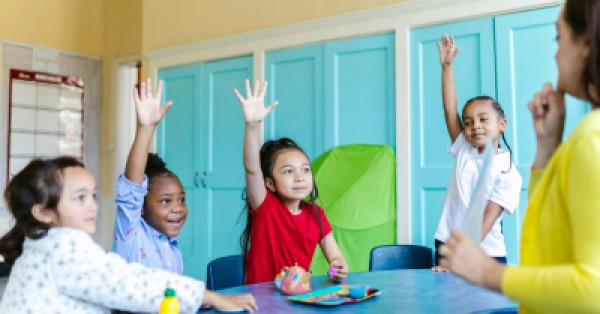
A child’s sense of identity is the foundation for all learning, relationships, and wellbeing. Outcome 1 of the EYLF Children have a strong sense of identity reminds us that when children feel safe, seen, and valued, they begin to explore…
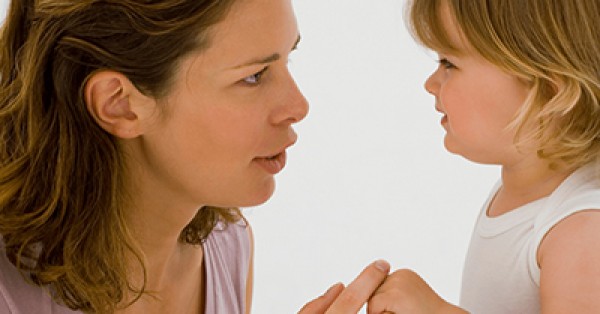
 Supporting toddlers aged 2–3 years with challenging behaviors requires understanding their developmental stage and using strategies tailored to their needs. Here are some effective approaches:
Easter can be a joyful time in early childhood settings, offering opportunities for play, creativity, and learning. Activities should be age-appropriate, inclusive, and respectful of diverse family values.
Duty of care is more than a legal obligation—it is the foundation of safe, ethical, and professional practice. In education, healthcare, and community services, it means ensuring that every decision, action, and environment prioritizes the wellbeing of those in our…
Educators in Australia must conduct at least one emergency evacuation drill per year under AS 3745-2010, with best practice being every six months. Fire drills are directly linked to the Education and Care Services National Regulations and Quality Area 2…
Sensory boards, often called busy boards, are interactive panels designed to stimulate children’s senses and encourage hands-on exploration. They combine everyday objects, locks, switches, textures, zippers, bells, into a safe, engaging platform that nurtures curiosity, problem-solving, and fine motor skills.
Reflection is a valuable tool for personal growth and learning; critical reflection takes it a step further by promoting deeper analysis and transformative change. The following article provides information on What Is Reflection, What Is Critical Reflection, Differences Between Reflection…
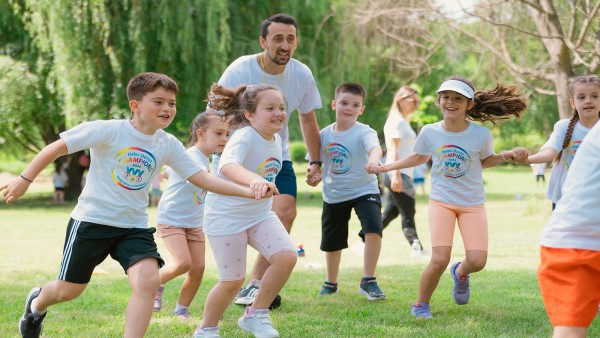
Group games are a wonderful way to build social skills, cooperation, and confidence in preschoolers. They encourage children to listen, take turns, and celebrate each other’s successes. Here are 30 tried‑and‑true favourites you can introduce to your kindy group.
Stimming refers to repetitive movements, sounds, or actions that people use to regulate emotions, manage sensory input, or express themselves. While it’s often associated with autism and ADHD, everyone engages in some form of stimming (like tapping a foot or…
Child Care Documentation App

© 2009-2026 Aussie Childcare Network Pty Ltd. All Rights Reserved.