search aussie childcare network

Articles

  • Detail View
  • List View
Early childhood education is guided by philosophy—the beliefs and values that shape how we teach, care, and create environments for children. But philosophy is not just words on paper. When we talk about “philosophy in action," we mean bringing those…
Critical reflection is more than a checkbox on a compliance form—it’s a powerful tool for growth, insight, and transformation in educational practice. Yet for many educators, it can feel abstract, time-consuming, or overly complex. This article breaks down critical reflection…
Schemas are patterns of repeated behavior that allow children to explore and express developing ideas and thoughts through their play and exploration. The following article provides information on Types Of Schemas, Benefits Of Schemas, Why Schemas Are Important, Supporting Children…
“How are new graduates supposed to gain experience if we are never given a chance?” This question, voiced by many new educators, captures a frustrating reality in our sector. After completing placements and earning qualifications, countless graduates find themselves rejected…
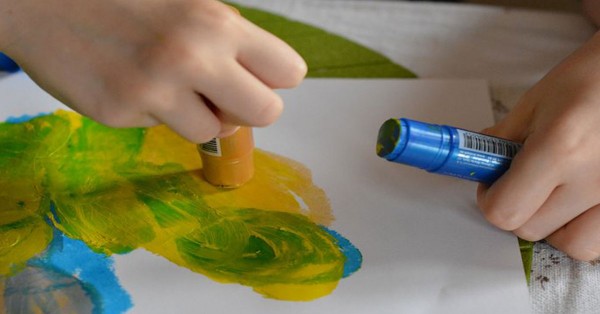
Mark-making refers to the earliest forms of visual expression—scribbles, lines, dots, and patterns—that children create to explore ideas, communicate meaning, and experiment with representation. Within the Reggio Emilia approach, these marks are not seen as mere preparation for writing but…
At the end of 2026, the early childhood sector is still waiting for ratio reform. Despite years of advocacy, despite mounting evidence, and despite repeated calls from educators, families, and sector leaders, ratios remain unchanged. Everything else seems to be…
The expectation that three-year-olds should sit at a table and write their names with pencils and stencils is being reconsidered by many educators. While name recognition and writing are important milestones, current pedagogy emphasises that children develop these skills through…
Lunar New Year (17th February 2026) is a vibrant celebration observed across many Asian cultures, symbolizing renewal, family, and hope for the year ahead. In early childhood settings, it offers a rich opportunity to honor cultural diversity, foster inclusion, and…
Working in OSHC means being prepared for the unexpected. Children are naturally curious, and sometimes their questions can feel confronting—especially when asked in front of peers. One educator recently shared an experience where a Year 4/5 child interrupted a group…
Children thrive when they can do—exploring, tinkering, and experimenting. Science activities in OSHC settings not only engage curious minds but also build teamwork, problem‑solving, and resilience. Best of all, many experiments can be done with everyday materials, keeping costs low…
In OSHC, language plays a powerful role in shaping the culture of the environment. Inappropriate language and swearing can undermine respect, safety, and inclusivity. Educators often face the challenge of balancing children’s freedom of expression with the need to maintain…
Children need safe and positive environments to learn and grow. To ensure this, services and educators need to ensure effective supervision at all times. The following article provides information on the different aspects of supervision, ranging from regulatory requirements and…
Child Care Documentation App

© 2009-2026 Aussie Childcare Network Pty Ltd. All Rights Reserved.