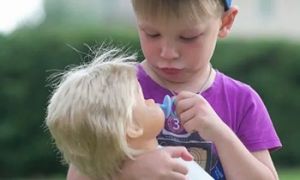
Play is more than just fun—it’s an essential part of a child’s growth and development. Through play, children explore their world, develop crucial skills, and build emotional resilience. For families and educators, understanding the significance of play can help create an environment where children thrive.
Why Is Play Important?
Play is essential for a child’s development, serving as a foundation for learning, creativity, and emotional well-being. Through play, children engage with their surroundings, develop problem-solving skills, and build relationships with others. It strengthens cognitive abilities by stimulating curiosity and imagination while also enhancing communication and social interaction. Play teaches children how to cooperate, express emotions, and navigate challenges, helping them grow into confident and adaptable individuals. Playing is important because it:
- Boosts Brain Development – Play stimulates creativity, problem-solving, and cognitive skills.
- Enhances Social Skills – Playing with others teaches communication, cooperation, and empathy.
- Encourages Physical Health – Active play strengthens muscles, improves coordination, and supports overall well-being.
- Fosters Emotional Growth – Play helps children express emotions, reduce stress, and build confidence.
- Sparks Imagination & Creativity – Pretend play nurtures curiosity, storytelling, and innovation.
Types of Play & Their Benefits
Different types of play contribute to a child's development in various ways. Free play, which is unstructured and self-directed, allows children to explore and make decisions independently, fostering creativity and resilience. Outdoor play improves physical health and connects children with nature, encouraging an active lifestyle. Pretend play enhances storytelling skills, problem-solving abilities, and emotional understanding, while sensory play—such as painting, building, or playing with sand—develops fine motor skills and supports cognitive growth. Board games and puzzles strengthen logic, patience, and teamwork, reinforcing critical thinking in a fun and engaging way. The different types of play include
-
Free Play (unstructured, self-directed)—encourages independence and exploration.
-
Outdoor Play—Improves physical fitness and connects kids with nature.
-
Pretend Play—Develops creativity and problem-solving abilities.
-
Sensory Play (hands-on activities like painting or playing with sand) – Supports fine motor skills and cognitive development.
-
Board Games & Puzzles—Strengthens logic, patience, and teamwork.
How Families Can Encourage Play
Families play a crucial role in fostering an environment where play is encouraged and valued. Setting aside time for daily play without screens allows children to focus on imaginative and interactive activities. Providing toys and materials that promote creative thinking and independent exploration enriches play experiences. Parents and caregivers can also participate in play, strengthening family bonds and making children feel supported in their learning journey. Encouraging outdoor activities introduces fresh air, movement, and social engagement, further enhancing development. Most importantly, allowing children to take the lead in their play nurtures their confidence and individuality. Families can also:
- Set aside daily playtime without screens.
- Provide toys and materials that encourage creative thinking.
- Join in and engage in interactive play to strengthen family bonds.
- Encourage outdoor activities for fresh air and exercise.
- Allow children to take the lead—let their imagination guide the play!
Play is far more than just a pastime—it is a child's way of learning, growing, and expressing themselves. By recognizing its significance, families can support a child’s overall well-being and lay the foundation for a lifetime of discovery and joy.




 The Children’s Services Award introduces a streamlined classification system and updated pay rates designed to better recognise the skills, qualifications, and responsibilities of early childhood
 The Children’s Services Award has 8 clear levels. These levels make it easier to understand where you fit, based on your experience, qualifications, and responsibilities.
 When working as a qualified early childhood teacher (with a university degree) within a service, your rate of pay will come from the Educational Services
 Diploma-qualified educators play a vital role in early childhood services, taking on responsibilities that range from supporting children’s learning and development to leading rooms and
 Certificate III qualified educators form the backbone of early childhood services, providing essential care and learning support for children across all settings. Their wages under
 Early Childhood Teachers (ECTs) play a vital role in leading curriculum and pedagogy in early learning settings. Regulation 272 of the Education and Care Services
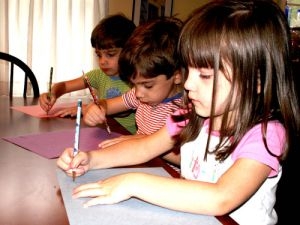 Discover how school readiness programs support children’s independence, confidence, and skills for a successful transition into primary school.
 Floorbook is a documentation approach that uses a large book with blank pages for children to record different aspects of their learning in small groups
 When an Educator is not performing their tasks or responsibilities at best practice, these issues need to be addressed for the Educator to understand where
 Educators can maximise tax deductions by claiming classroom supplies, training, union fees, and home office costs this financial year.