
Storybook baskets (sometimes called book buckets) are a powerful way to transform a simple read-aloud into an interactive, multi-sensory experience. By pairing books with props, toys, and open-ended materials, educators can help children connect more deeply with stories, practice language skills, and extend their learning through play.
What Are Storybook Baskets?
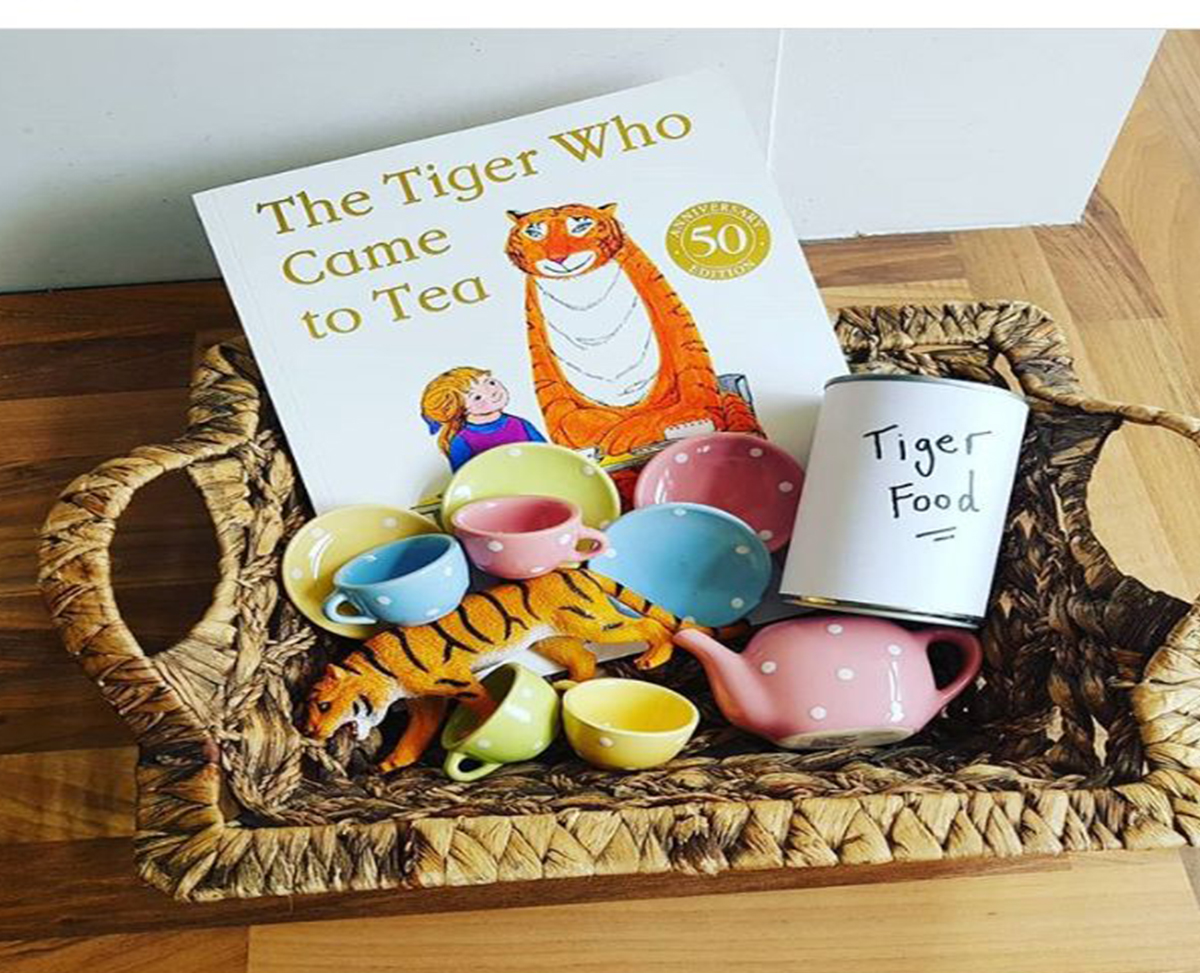
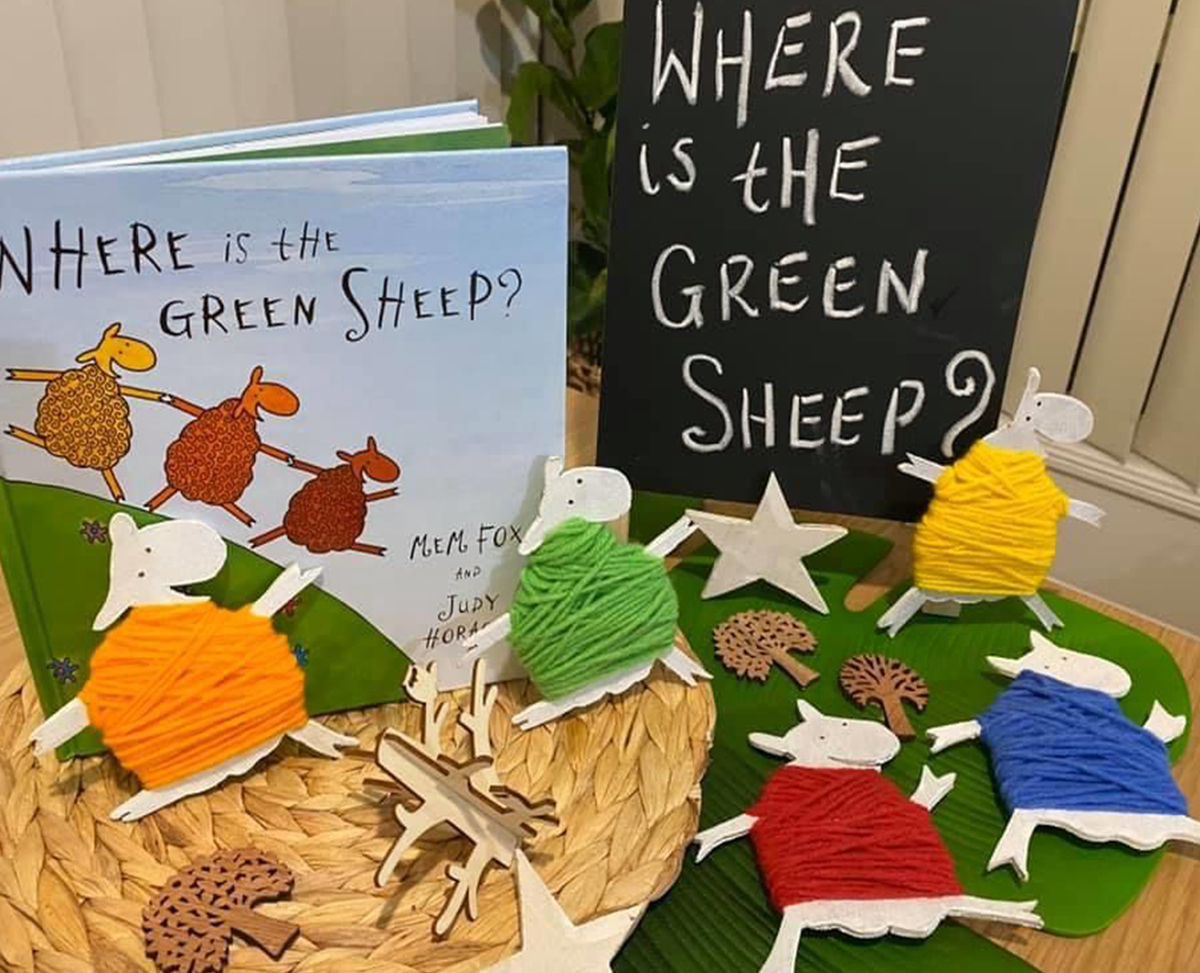
- Definition: A basket or bucket filled with items linked to a specific book—characters, settings, or key events.
- Purpose: To make stories tangible, encourage retelling, and support imaginative play.
- Flexibility: Works across age groups, from toddlers exploring textures to preschoolers dramatizing plots.
Benefits for Early Childhood Services
- Engagement: Props capture attention and make stories memorable.
- Language Development: Children practice sequencing, vocabulary, and storytelling.
- Imaginative Play: Encourages role-play and creative extensions of the narrative.
- Accessibility: Supports children who struggle to sit still or engage with books.
- Cultural Inclusion: Baskets can reflect diverse traditions and languages.
Examples of Storybook Baskets
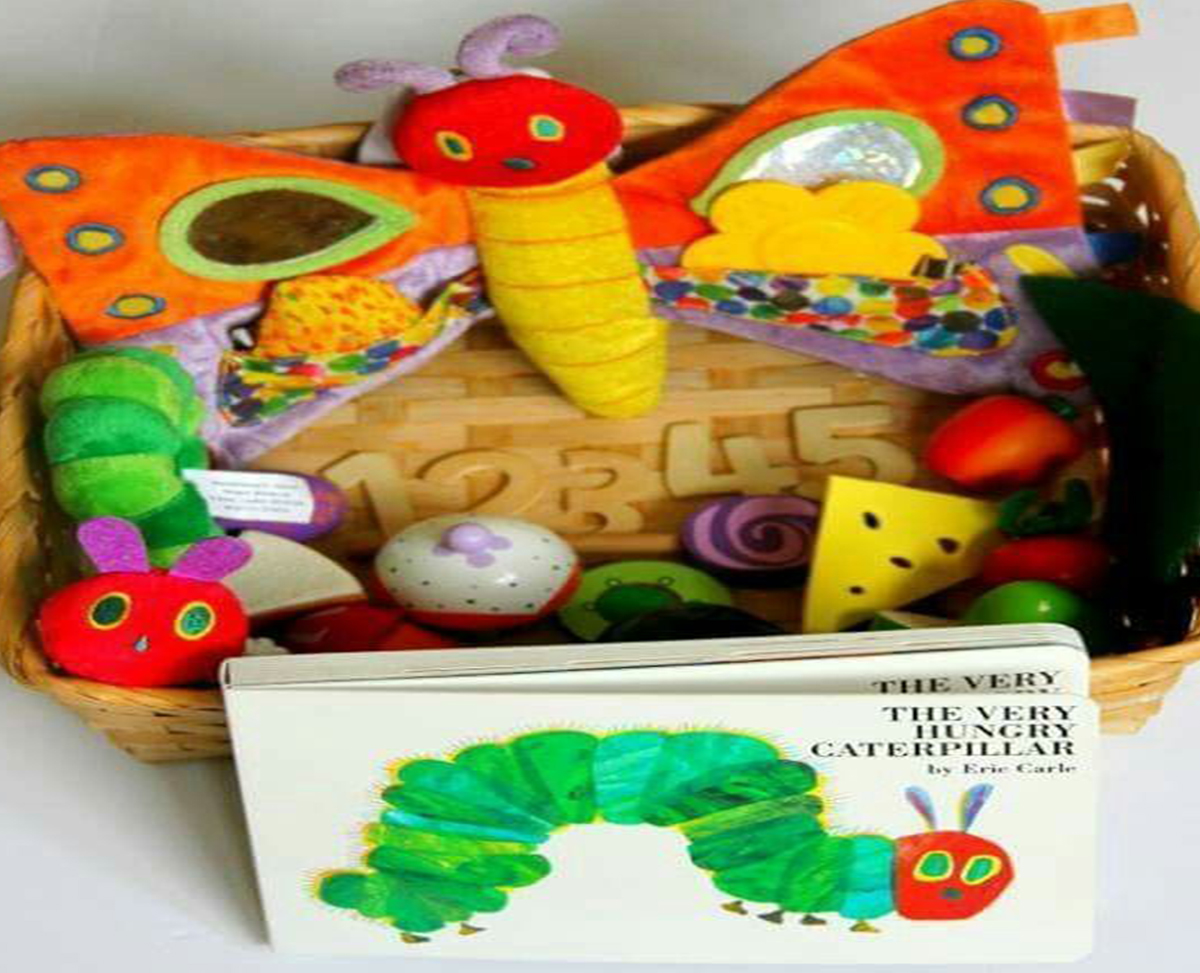
- The Very Hungry Caterpillar: Felt food pieces, caterpillar toy, butterfly wings.
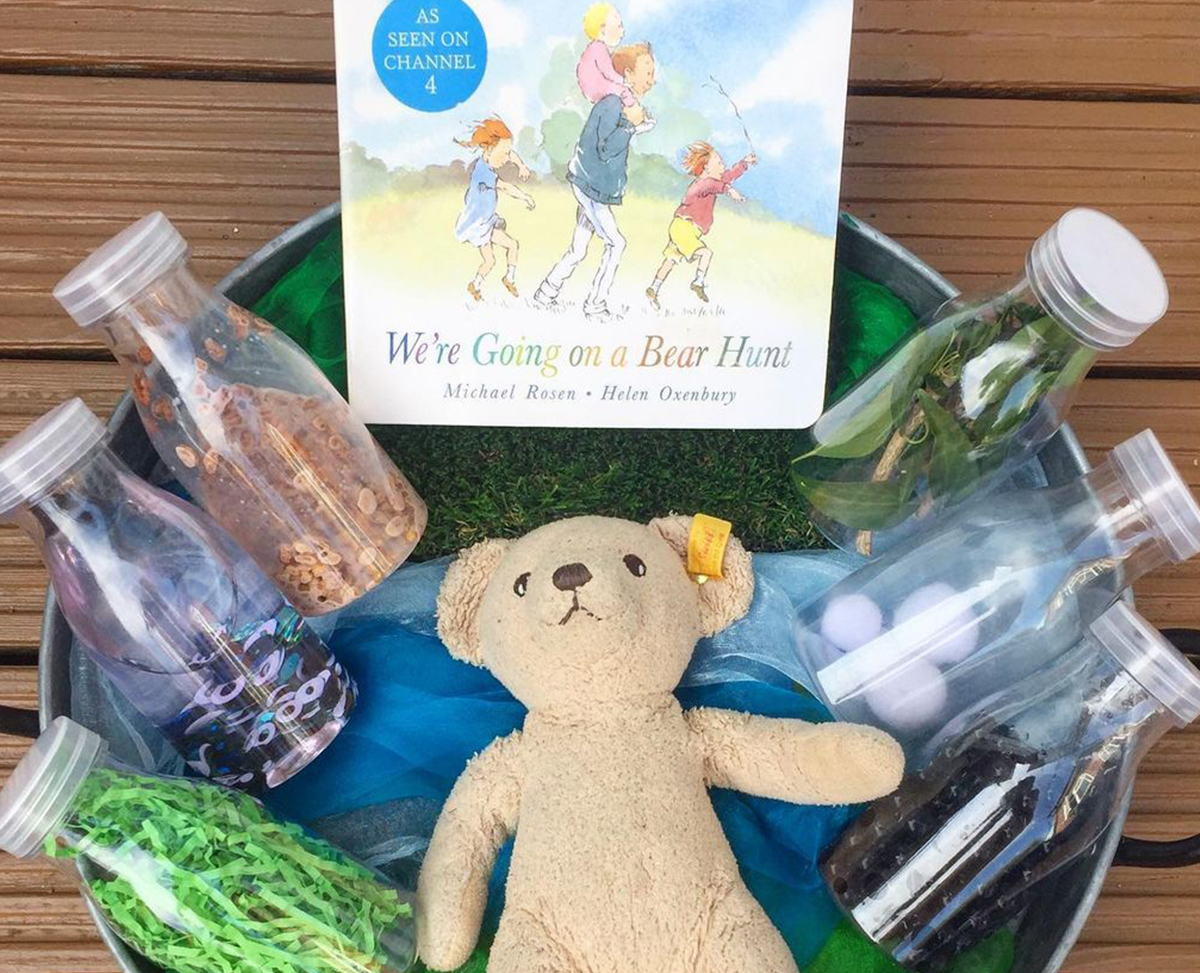
- We’re Going on a Bear Hunt: Natural items (grass, mud, pebbles), bear plush.
- Brown Bear, Brown Bear, What Do You See?: Animal figurines, coloured cards.
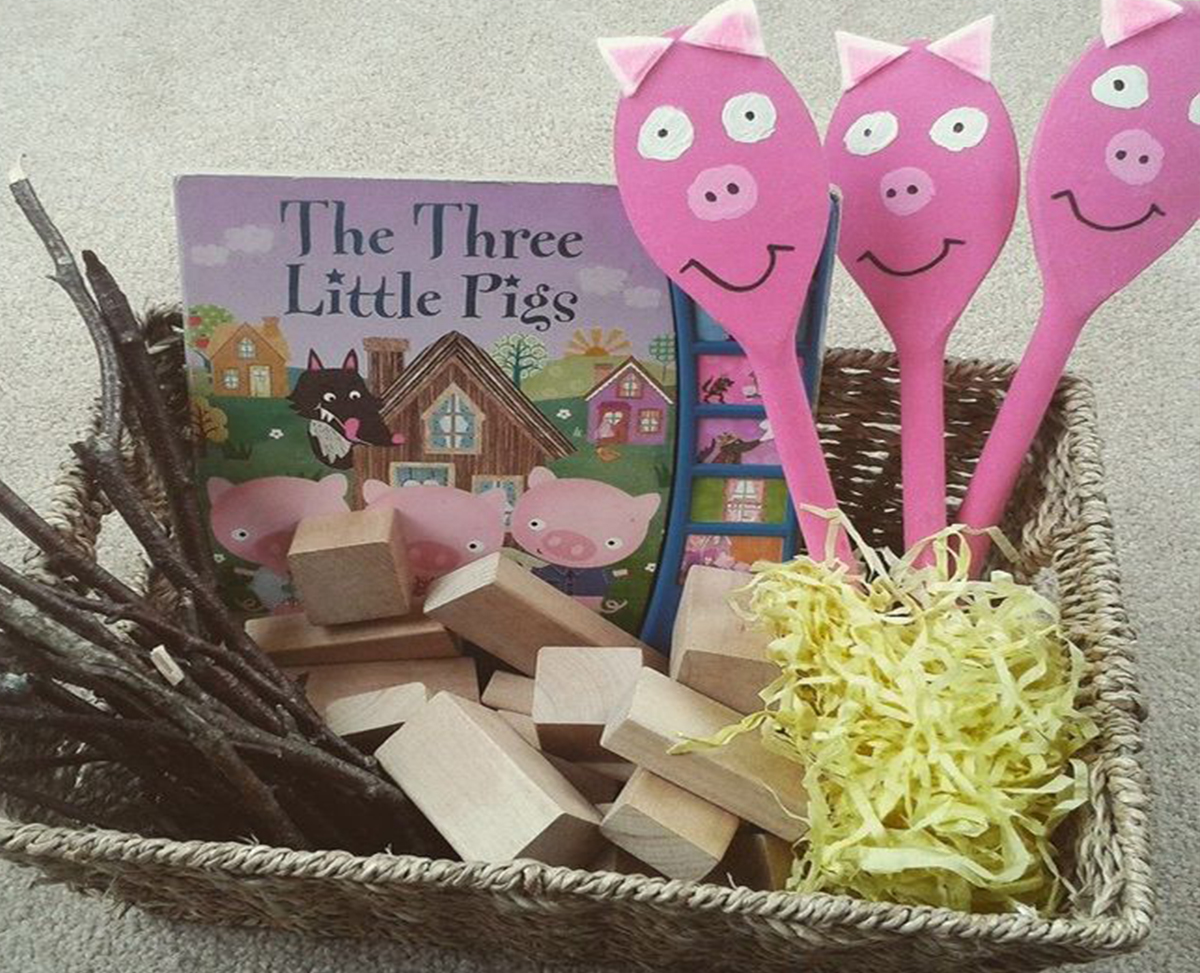
- The Three Little Pigs: Straw, sticks, toy bricks, pig figurines, wolf puppet.
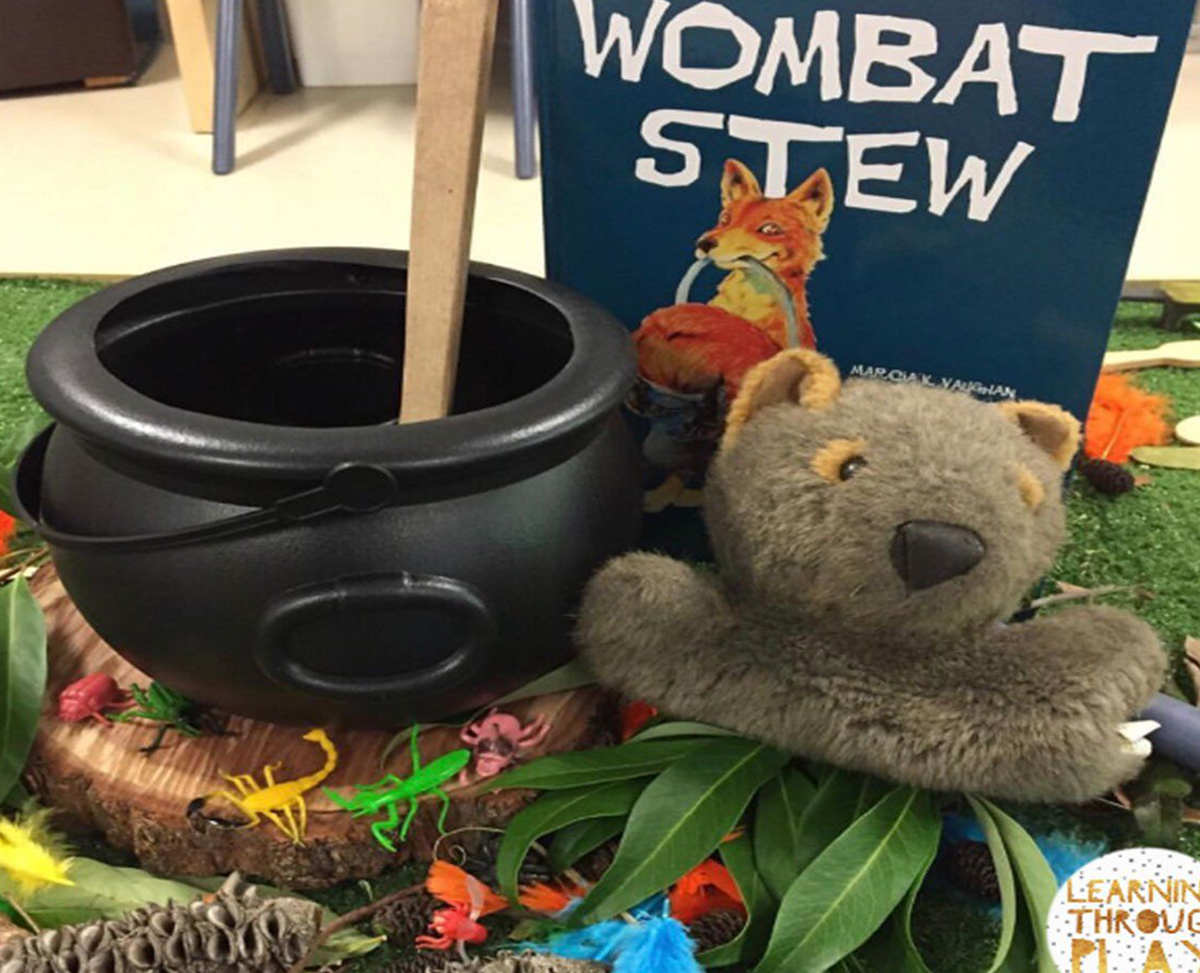
- Local/Indigenous stories: Cultural artifacts, musical instruments, traditional fabrics.
Photo Ideas
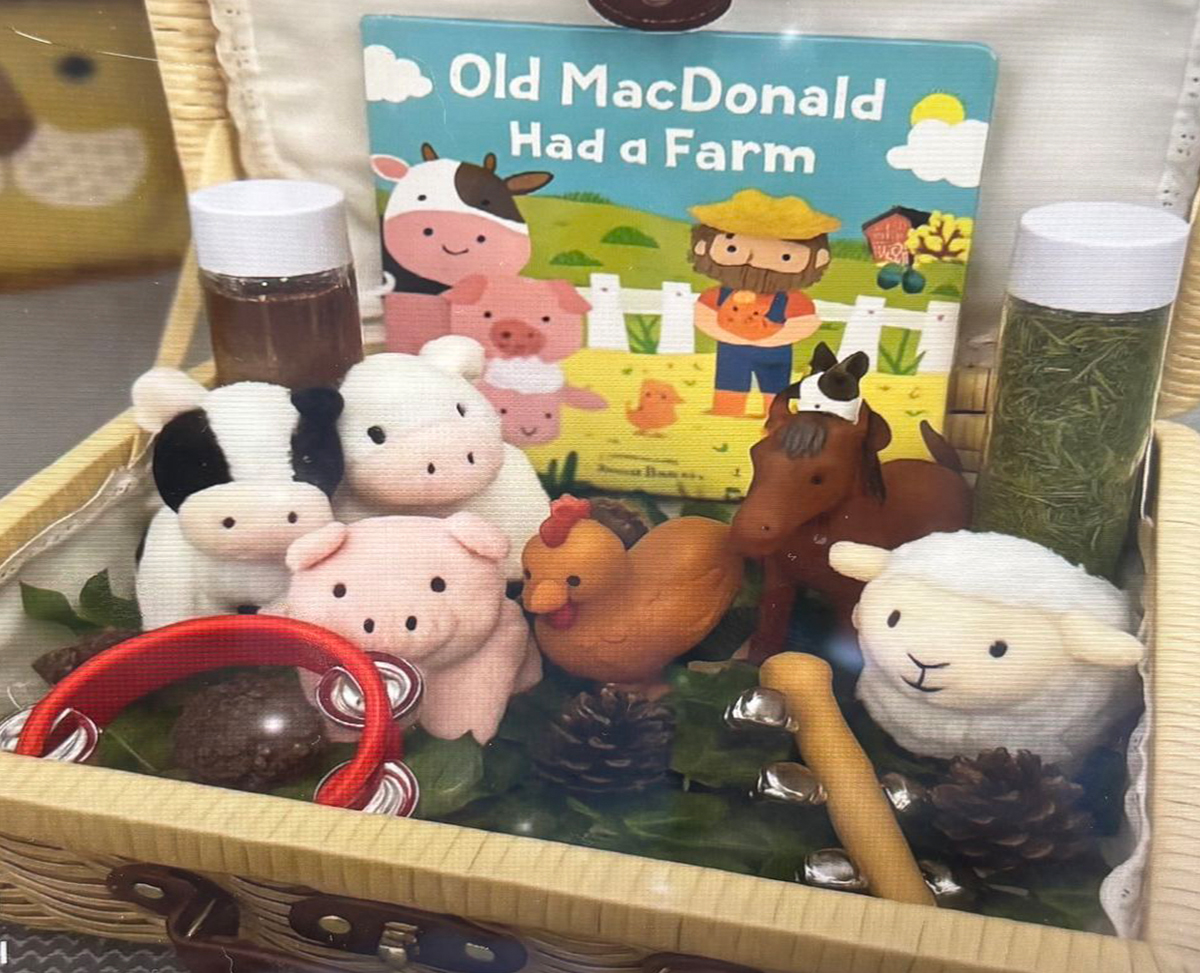
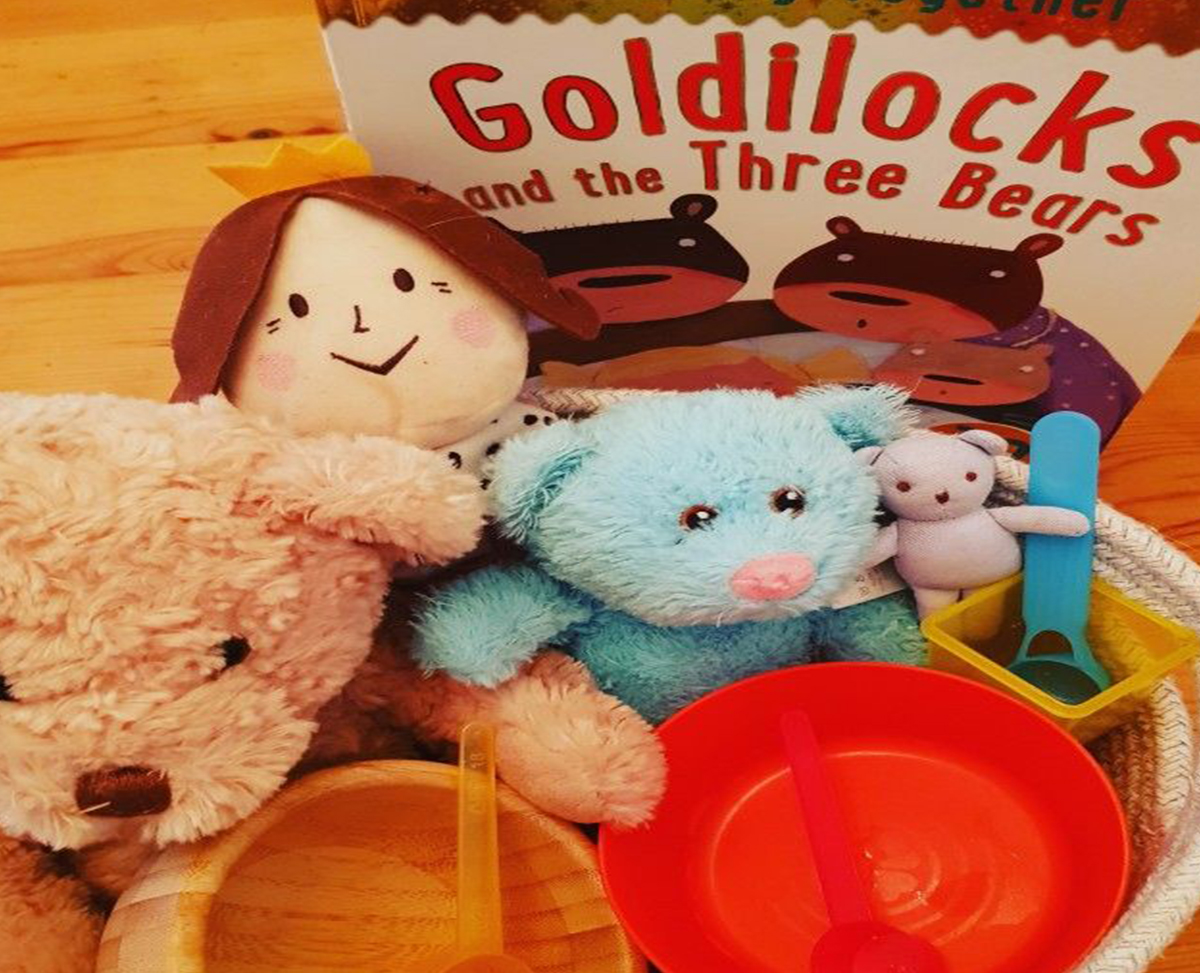
How to Use Storybook Baskets During Reading
1. Introduce the Story
Show children one or two props before reading. Ask: “What do you think this character might do in our story today?” This builds anticipation.
2. Interactive Read-Aloud
Bring out props at key moments. Encourage children to act out actions (e.g., pretend to eat food, build houses, march like characters). Use props to pause and check comprehension.
3. Child-Led Retelling
After reading, invite children to retell the story using the basket items. They can sequence events, act out scenes, or invent new endings.
4. Extend into Play
Leave the basket in the reading corner for free play. Children often revisit the story independently, mixing props with other toys.
5. Reflection & Discussion
Use props to spark conversation: “How did the caterpillar change?” or “What would you do if you were the wolf?” Props make abstract ideas concrete.
Educator Tips
- Rotate baskets weekly to keep interest fresh.
- Include open-ended items (scarves, blocks, natural materials) for creative play.
- Involve children in making props to build ownership.
- Use baskets for group storytelling—each child adds to the story using a prop.
Storybook baskets transform passive listening into active exploration. They invite children to step inside the world of the story, retell it in their own words, and extend it through play. For educators, they are a simple yet powerful tool to nurture literacy, creativity, and belonging.
“When children hold the story in their hands, they carry it in their hearts.”
Further Reading
Importance of Reading To Children
Teaching Phonics To Preschoolers
Children's Learning Through Literacy
Developing and Enhancing Literacy in Children
Take Home Book Program For Preschoolers
Environmental Print In Early Childhood Settings
Image References:
Image 1 - Laura, Pinterest
Image 2 - Kirralee Degenhardt, Pinterest
Image 3 - Hollie, Pinterest
Image 4 - No Name, Pinterest
Image 5- Ada Teo, Pinterest
Image 6 - Levista Harris, Pinterest
Image 7 - Cheri Sampson, Pinterest
Image 8 - Katy Shelton, Pinterest
Image 9 - Dorothy, Pinterest
Image 10 - Mumsyteacher Early years fun at home!, Pinterest




 The Children’s Services Award introduces a streamlined classification system and updated pay rates designed to better recognise the skills, qualifications, and responsibilities of early childhood
 The Children’s Services Award has 8 clear levels. These levels make it easier to understand where you fit, based on your experience, qualifications, and responsibilities.
 When working as a qualified early childhood teacher (with a university degree) within a service, your rate of pay will come from the Educational Services
 Diploma-qualified educators play a vital role in early childhood services, taking on responsibilities that range from supporting children’s learning and development to leading rooms and
 Certificate III qualified educators form the backbone of early childhood services, providing essential care and learning support for children across all settings. Their wages under
 Early Childhood Teachers (ECTs) play a vital role in leading curriculum and pedagogy in early learning settings. Regulation 272 of the Education and Care Services
 Discover how school readiness programs support children’s independence, confidence, and skills for a successful transition into primary school.
 When an Educator is not performing their tasks or responsibilities at best practice, these issues need to be addressed for the Educator to understand where
 Educators can maximise tax deductions by claiming classroom supplies, training, union fees, and home office costs this financial year.
 A staff appraisal is a formal, systematic process of determining and reviewing the performance of early childhood educators over a period of time, usually a