


The parent area in an early childhood service is more than just a sign-in/sign-out point. It is the first and last space families encounter each day, shaping their impressions of the service and influencing how connected they feel to their child’s learning journey. A thoughtfully designed parent area fosters communication, builds trust, and strengthens partnerships between educators and families.
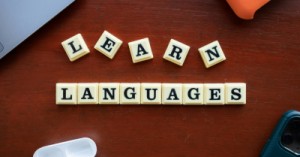
Multilingualism is more than a skill, it’s a celebration of identity, culture, and belonging. In early childhood settings, embedding multiple languages into the environment helps children feel seen, families feel valued, and communities feel connected.

From the moment babies begin to drop spoons from their highchair to the elaborate delivery services preschoolers invent with carts and clipboards, children are engaging in schematic play. These repeated patterns of exploration, transporting, locating, seriation, combining, collecting, enveloping, and rotating are how children make sense of the world. Too often, adults misinterpret these actions as “messy” or “naughty.” In reality, they are the building blocks of mastery, innovation, and confidence. Our role as educators is to step back, observe, and scaffold, not interrupt.

Birthdays are milestones that matter deeply to children. In early childhood settings, a birthday wall display is more than decoration; it’s a visual celebration of belonging, identity, and joy. When educators design these displays thoughtfully, they create opportunities for children to feel seen, valued, and connected to their peers. A well-crafted birthday wall also links to the EYLF outcomes, supporting children’s sense of identity, community, and communication.

Starting the year as an educational leader is a powerful opportunity to shape culture, build trust, and scaffold quality practice. This guide outlines key priorities to help you lead with clarity, confidence, and care, especially in the first 4–6 weeks.

Employment contracts in early childhood education are more than paperwork; they define your rights, responsibilities, and protections. Before signing, educators should ensure the contract aligns with the Children’s Services Award [MA000120], the Fair Work Act, and NSW child protection laws.

Food play is more than sensory fun, it’s a gateway to learning across math, science, and cultural awareness. By engaging with food in playful, structured ways, children develop problem-solving skills, curiosity about the natural world, and respect for diverse traditions. Cooking activities also nurture fine motor skills, language development, and social collaboration.

Becoming an educational leader is both exciting and daunting. It’s a role that blends vision with responsibility, requiring you to guide colleagues, uphold compliance, and nurture environments where children thrive. This article outlines what to expect, how to navigate challenges, and practical strategies to help you grow into the role with confidence.

The beginning of a new year in early childhood education is more than just a fresh calendar; it’s an opportunity to set the tone for relationships, routines, and learning. A thoughtfully prepared environment helps children feel safe and excited, families feel welcomed and informed, and educators feel organized and confident.

Calendars are not just tools for marking days—they are cultural narratives that shape identity, belonging, and worldview. In early childhood education, respecting diverse calendars means recognizing that families may follow the Gregorian calendar but also lunar cycles, seasonal markers, or religious observances. For children, seeing their traditions acknowledged validates their identity and builds emotional safety. For educators, embedding diverse calendars into practice enriches curriculum, strengthens family partnerships, and aligns with the NQS focus on cultural competence and inclusion.
 Open ended questions cannot be responded to with one word answers such as yes or no. These types of questions enables a child to provide… Read More
 During your child’s preschool years, an important milestone begins to emerge. This is the development of pre-writing skills. Pre-writing skills are used to encourage, develop… Read More
 An Acknowledgment of the Country is a way of showing respect for the Traditional Owners and can be given by both non-Indigenous people and Aboriginal… Read More
 Open ended materials enables children to play freely. They are objects that have no rules to follow, use or function. Raw materials that can be… Read More
 Language plays an important role in a child’s development. It enables a child to communicate effectively with their family, learn at school, socialize with friends,… Read More
 Like adults, children have to deal with their own stress in life. Moving house, starting a new school, preparing for a new sibling - these are… Read More
 Playdough is such a versatile material. It provides numerous benefits to children as they manipulate it, it is safe and soothing and provides children with… Read More
 Teaching children about sustainability enables them to appreciate and respect the natural environment. Early childhood services can provide meaningful hand on learning experiences in order… Read More
 Recycling is an important concept that teaches children to care for the environment. It encourages children to be responsible and show a growing appreciating for… Read More
 Incursions provide children with the opportunity to explore meaningful learning experiences in the comfort of their early childhood service. The following provides a directory of… Read More

Gossip is more than idle chatter; it’s a signal. In early childhood settings, where emotional...
See more...
In early childhood settings across Australia, the Early Years Learning Framework (EYLF) is more than...
See more...
A writing area in a preschool room is more than a corner with pencils and...
See more...