


A writing area in a preschool room is more than a corner with pencils and paper—it’s a space where children begin to see themselves as authors, communicators, and creators. By offering diverse tools and meaningful prompts, educators can nurture early literacy skills while celebrating children’s voices and identities. This area encourages mark-making, storytelling, and playful exploration, laying the foundation for confident communication.

Children are naturally drawn to bright, vivid colours, which makes rainbow-themed science experiments instantly engaging and relatable. Because colours are part of their everyday world—seen in toys, clothes, art, and nature, rainbow experiments provide a familiar entry point into scientific exploration.
These activities spark curiosity and wonder by showing how ordinary materials can transform into extraordinary displays of color. Whether it’s watching water “walk” across paper towels, seeing milk swirl into rainbow patterns, or layering liquids into a colorful tower, children experience science as something magical yet understandable.

Outdoor sandpit setups in early childhood are best designed as open-ended, sensory-rich environments that encourage creativity, social interaction, and physical development. The most effective setups combine natural materials, loose parts, and flexible structures to allow children to dig, build, and imagine freely.

When we talk about art areas in learning environments, we’re really looking at how spaces can be intentionally designed to foster creativity, self-expression, and developmental growth. In early childhood, art areas aren’t just about painting or drawing—they’re hubs for exploration, identity-building, and skill development.

Storybook baskets (sometimes called book buckets) are a powerful way to transform a simple read-aloud into an interactive, multi-sensory experience. By pairing books with props, toys, and open-ended materials, educators can help children connect more deeply with stories, practice language skills, and extend their learning through play.
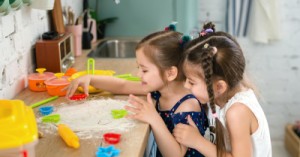
Playdough is more than a fun activity; it’s a versatile tool for creativity, fine motor development, sensory exploration, and imaginative play. A thoughtfully designed playdough area can inspire children to explore textures, shapes, and storytelling while supporting key developmental outcomes.
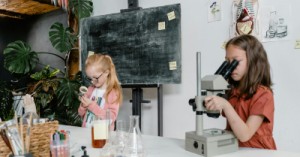
Children are natural scientists. They observe, question, and experiment every day—whether it’s watching ants march across the playground or noticing how shadows change with the sun. A thoughtfully designed science and nature area in an early childhood environment nurtures this curiosity, offering a space where exploration becomes intentional and learning is scaffolded. Such an area not only supports STEM skills but also fosters respect for the environment, cultural knowledge, and sustainable practices.
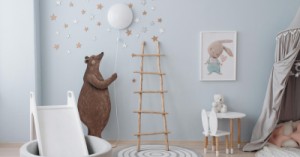
Designing a nursery room for infants and toddlers (0–2 years) requires more than just arranging furniture; it’s about creating a safe, nurturing, and developmentally rich environment that aligns with the NQS and the EYLF. At this age, children are forming their earliest attachments, exploring the world through their senses, and developing foundational skills for movement, communication, and social interaction.

In early childhood services, spaces dedicated to books and storytelling are often referred to as reading areas. Educators may also call them book corners or reading nooks, depending on the size, design, and atmosphere of the space. While the terminology varies, the purpose remains the same: to provide children with safe, inspiring environments where they can explore language, imagination, and connection. This article uses “reading areas” as the umbrella term while acknowledging the warmth and familiarity of book corners and reading nooks in everyday practice.

Supporting children in OSHC with regulation techniques means creating safe, predictable environments and teaching strategies that help them manage emotions, behaviour, and social interactions. The most effective approaches combine self-regulation, co-regulation, and environmental adjustments tailored to children’s needs.
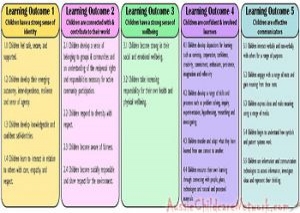 Here is the list of the EYLF Learning Outcomes that you can use as a guide or reference for your documentation and planning. The EYLF… Read More
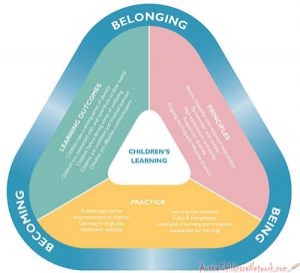 The EYLF is a guide which consists of Principles, Practices and 5 main Learning Outcomes along with each of their sub outcomes, based on identity,… Read More
 This is a guide on How to Write a Learning Story. It provides information on What Is A Learning Story, Writing A Learning Story, Sample… Read More
 One of the most important types of documentation methods that educators needs to be familiar with are “observations”. Observations are crucial for all early childhood… Read More
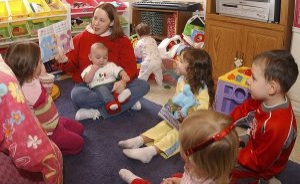 To support children achieve learning outcomes from the EYLF Framework, the following list gives educators examples of how to promote children's learning in each individual… Read More
 Reflective practice is learning from everyday situations and issues and concerns that arise which form part of our daily routine while working in an early… Read More
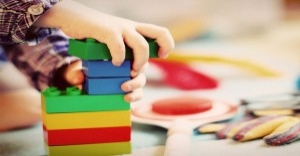 When observing children, it's important that we use a range of different observation methods from running records, learning stories to photographs and work samples. Using… Read More
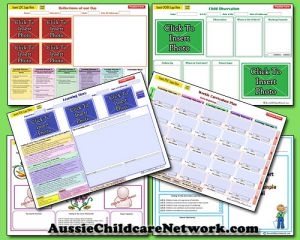 Within Australia, Programming and Planning is reflected and supported by the Early Years Learning Framework. Educators within early childhood settings, use the EYLF to guide… Read More
 This is a guide for educators on what to observe under each sub learning outcome from the EYLF Framework, when a child is engaged in… Read More
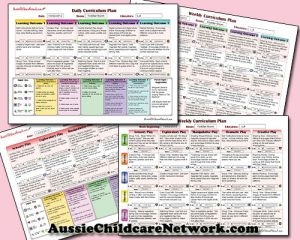 The Early Years Learning Framework describes the curriculum as “all the interactions, experiences, activities, routines and events, planned and unplanned, that occur in an environment… Read More
National Lunchbox Week takes place from 9th February to 15th February. The following provides Articles, FREE...
See more...
In the wake of child abuse allegations and the rollout of policies like Four Eyes...
See more...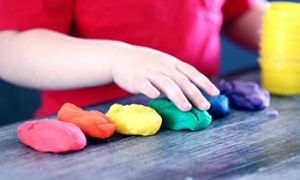
Here’s a thoughtfully curated list of 20 autism-friendly activities that align beautifully with inclusive early...
See more...