The My Time, Our Place (MTOP) Framework is designed for school-age care, with five outcomes that guide planning and reflection. Embedding it means linking everyday activities to these outcomes in ways that are intentional, inclusive, and meaningful. Here’s a clear breakdown with activity examples mapped to each outcome.
Outcome 1: Children and young people have a strong sense of identity
- Identity Shields – children design shields with symbols representing their strengths.
- Culture Show-and-Tell – bring an item from home that reflects family heritage.
- Personal Achievement Journals – record weekly “I am proud of…” reflections.
- Peer Mentoring – older children support younger ones in activities.
- Self-Portrait Gallery – using different art mediums across the year.
- ‘My Superpower’ Circle Time – each child shares a unique skill.
- Role Play of Community Helpers – exploring identity through jobs.
- ‘Belonging Wall’ – photos of children engaged in OSHC activities.
- Family Recipe Sharing – cook and celebrate cultural dishes.
- ‘I Can’ Ladder – children add steps as they master new skills.
Outcome 2: Children and young people are connected with and contribute to their world
- Community Garden – planting, watering, harvesting together.
- Recycling Champions – children lead waste sorting.
- Fundraising for Local Causes – bake sales or art auctions.
- Neighbourhood Walks – mapping local landmarks.
- Buddy Reading Program – reading with younger peers.
- Animal Care Roster – feeding class pets or observing wildlife.
- ‘Helping Hands’ Jobs Board – rotating responsibilities.
- Community Art Mural – collaborative painting project.
- Letters to Elders – writing to local aged care residents.
- ‘Our Place’ Map – children create a visual map of their OSHC community.
Outcome 3: Children and young people have a strong sense of wellbeing
- Mindfulness Sessions – guided breathing or meditation.
- Yoga & Stretching – daily movement breaks.
- Healthy Snack Prep – children make fruit kebabs or wraps.
- Outdoor Obstacle Course – promoting resilience and fitness.
- Feelings Thermometer – children check in emotionally.
- ‘Calm Corner’ Setup – sensory tools, soft seating, emotion cards.
- Dance & Movement Games – Just Dance or freestyle sessions.
- Safety Role Play – practicing emergency drills.
- Cooking for Wellbeing – exploring balanced meals.
- Gratitude Journals – recording daily positives.
Outcome 4: Children and young people are confident and involved learners
- STEM Challenges – build towers with spaghetti and marshmallows.
- ‘Inventors’ Box’ – recycled materials for free creation.
- Science Experiments – volcanoes, floating/sinking, magnet play.
- Coding Club – simple block coding games.
- Puzzle & Strategy Games – chess, tangrams, Rubik’s cubes.
- Cooking Math – measuring ingredients, fractions in recipes.
- Photography Project – documenting OSHC life.
- ‘Ask a Question’ Wall – children post inquiry prompts.
- Nature Explorers – bug hunts, leaf classification.
- Drama & Improvisation Games – confidence through performance.
Outcome 5: Children and young people are effective communicators
- Puppet Theatre – storytelling through puppets.
- Comic Strip Creation – literacy through art.
- Group Story Circles – collaborative storytelling.
- Debate Club – simple topics like “cats vs dogs.”
- Podcast Recording – children share weekly highlights.
- Drama Role Play – acting out scenarios.
- ‘Newsroom’ Bulletin – children report OSHC events.
- Poetry Slam – expressive language through performance.
- Sign Language Basics – learning simple Auslan signs.
- Letter Writing Station – writing to friends, family, or pen pals.
Embedding Tips for MTOP
-
Use child voice: Document quotes, reflections, and choices to show authentic links to outcomes.
-
Balance outcomes: Plan weekly programs so all five outcomes are represented.
-
Make outcomes visible: Display outcome posters or child-friendly icons in activity areas.
-
Reflective practice: Ask educators to note which outcome each activity supported during daily reflections.
-
Child-led planning: Invite children to co-design activities, linking their ideas back to MTOP outcomes.
-
Flexible documentation: Use photos, journals, and portfolios rather than rigid templates.
-
Cultural responsiveness: Embed diverse traditions, languages, and celebrations into activities.
-
Wellbeing focus: Ensure routines (snack, rest, transitions) are linked to wellbeing outcomes.
-
Community connections: Partner with local groups, libraries, or sports clubs to extend Outcome 2.
-
Scaffolded learning: Provide extension challenges so children can deepen engagement with Outcome 4.
Further Reading
MTOP Learning Outcomes V2.0
How Educators Promote MTOP Outcomes 2.0
MTOP Main Outcomes Posters



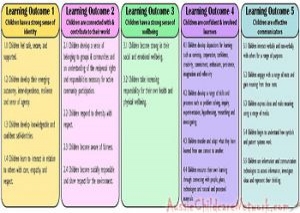 Here is the list of the EYLF Learning Outcomes that you can use as a guide or reference for your documentation and planning. The EYLF
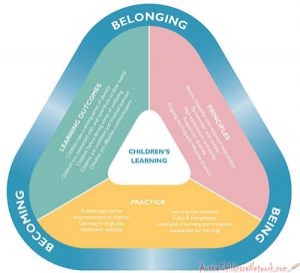 The EYLF is a guide which consists of Principles, Practices and 5 main Learning Outcomes along with each of their sub outcomes, based on identity,
 This is a guide on How to Write a Learning Story. It provides information on What Is A Learning Story, Writing A Learning Story, Sample
 One of the most important types of documentation methods that educators needs to be familiar with are “observations”. Observations are crucial for all early childhood
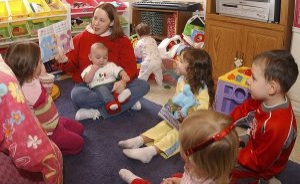 To support children achieve learning outcomes from the EYLF Framework, the following list gives educators examples of how to promote children's learning in each individual
 Reflective practice is learning from everyday situations and issues and concerns that arise which form part of our daily routine while working in an early
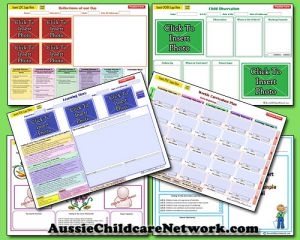
 When observing children, it's important that we use a range of different observation methods from running records, learning stories to photographs and work samples. Using
 Within Australia, Programming and Planning is reflected and supported by the Early Years Learning Framework. Educators within early childhood settings, use the EYLF to guide
 This is a guide for educators on what to observe under each sub learning outcome from the EYLF Framework, when a child is engaged in
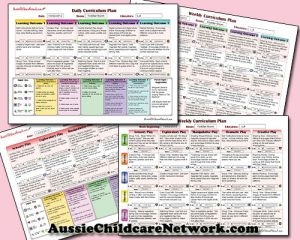 The Early Years Learning Framework describes the curriculum as “all the interactions, experiences, activities, routines and events, planned and unplanned, that occur in an environment