



Children need safe and positive environments to learn and grow. To ensure this, services and educators need to ensure effective supervision at all times. The following article provides information on the different aspects of supervision, ranging from regulatory requirements and principles to practice strategies.
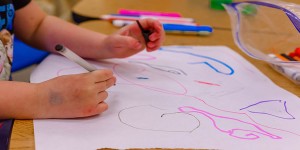
At its simplest, child-initiated learning is one that is chosen and started by the child. This type of learning is the purest form of child-centred learning and constitutes one of the most important approaches in the educator’s toolkit of teaching strategies. The following article provides information on the Characteristics and Benefits Of Child initiated Learning, How Educators Can Facilitate It In Their Settings and more.

Spontaneous play is exactly what it says – play that happens naturally, without any prior planning or being directed by anyone outside the play. In the early childhood context, spontaneous play is usually child-initiated and directed though it can include adults as well. The following article provides information on spontaneous play benefits and how educators can support it.

Effective communication can be understood as communication between two or more persons wherein the intended message is successfully delivered, received and understood. Since so much of the work in an early childhood education and care setting consists of listening, understanding and exchanging insights, effective communication makes up one of the key tools in the skill set for anyone running and/or leading a centre. The following article provides information on How Effective Communication Help, Basic Steps Of Effective Communication, Modes Of Communication, Difficult Conversations and more.

Emotional or physical distress can add to the challenges of caring for children in a service setting. Toddlers' brains are not yet developed to rationalize situations and regulate the emotions they feel. The following article provides strategies you can use to comfort and soothe a toddler.

Staff appraisals are key to maintaining high standards in early childhood services. The following article provides information on What Is A Staff Appraisal, Components Of Staff Appraisal includes Key Performance Indicators, Preparing For Meetings, Mid Year Review and more.

Mixed-age groups refer to settings that bring together children aged three to five years old. Since children at different points in this age range may have different skills and abilities, working with mixed age groups may require service providers and educators to be more intentional in designing practices that meet the learning needs of all children. The following provides information on the Benefits Of Mixed Age Groups, Strategies For Working With Mixed Age Groups and more.

The EYLF explains literacy as the children’s “capacity, confidence and disposition to use language in all its forms”. Thus literary includes not only talking, listening, viewing, reading and writing but a range of modes of communication including music, movement, dance, storytelling, visual arts, media and drama. The following provides information on the Literacy Rich Environment, Characteristics Of A Literacy-rich Environment, Components Of A Literacy-rich Environment, Strategies and more!

A waiver enables a service that is non-compliant with the National Regulations or an element of the National Quality Standard to be taken to be compliant, or not required to comply, during the period that the waiver is in force.

Among all the changes that impact a child’s early life, one of the most significant is the move from early education and care setting to a full-time school. The following article provides Educators with a guide on planning supportive transition practices for preschoolers going to primary school the following year including practical ideas to involve children, partnering with families, collaborating with other professionals, planning transition programs and more.
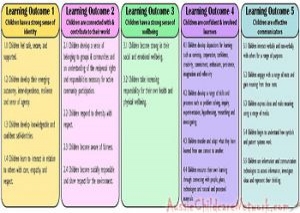 Here is the list of the EYLF Learning Outcomes that you can use as a guide or reference for your documentation and planning. The EYLF… Read More
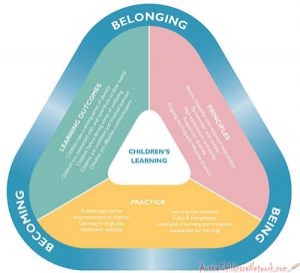 The EYLF is a guide which consists of Principles, Practices and 5 main Learning Outcomes along with each of their sub outcomes, based on identity,… Read More
 This is a guide on How to Write a Learning Story. It provides information on What Is A Learning Story, Writing A Learning Story, Sample… Read More
 One of the most important types of documentation methods that educators needs to be familiar with are “observations”. Observations are crucial for all early childhood… Read More
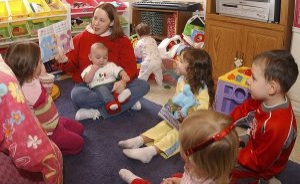 To support children achieve learning outcomes from the EYLF Framework, the following list gives educators examples of how to promote children's learning in each individual… Read More
 Reflective practice is learning from everyday situations and issues and concerns that arise which form part of our daily routine while working in an early… Read More
 When observing children, it's important that we use a range of different observation methods from running records, learning stories to photographs and work samples. Using… Read More
 Within Australia, Programming and Planning is reflected and supported by the Early Years Learning Framework. Educators within early childhood settings, use the EYLF to guide… Read More
 This is a guide for educators on what to observe under each sub learning outcome from the EYLF Framework, when a child is engaged in… Read More
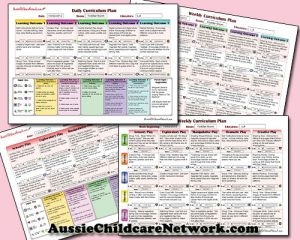 The Early Years Learning Framework describes the curriculum as “all the interactions, experiences, activities, routines and events, planned and unplanned, that occur in an environment… Read More

EYLF Outcome 1 focuses on children developing a strong sense of identity. It emphasizes the...
See more...
The 11th of February is International Day of Women and Girls in Science. It enables...
See more...
Packing up after play or activities is one of the most consistent challenges in OSHC...
See more...