


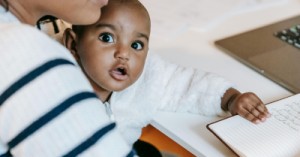
Floorbooks are often associated with preschool and older children, but they can be just as powerful in nursery rooms with babies. While babies may not yet use spoken language, they communicate richly through gestures, facial expressions, sounds, and actions. Floorbooks provide a way for educators to honor these early voices, making learning visible and collaborative from the very beginning.

EYLF Outcome 1 Floorbook prompts for identity, belonging, autonomy, emotional well-being, and empathy. Includes child‑voice questions, educator reflections, group prompts, and page starters.
Outcome 1 of the EYLF focuses on identity: a child’s sense of belonging, autonomy, emotional safety, and connection to others. Floorbooks are a powerful way to capture this learning because they centre children’s voices, make thinking visible, and document identity as it unfolds in real time.
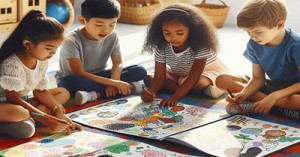
Floor books are an engaging and interactive method of recording and reflecting on children’s learning experiences in early childhood settings. The following article provides information on How To Start Floor Books, How To Document Ongoing Learning In Floor Books, Concept Ideas For Floor Books, Entries Examples For Floor Books, How To Review And Reflect Using Floor Books, How Children Can Use Floor Books and more.
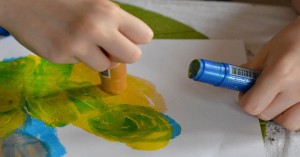
Floorbook is a documentation approach that uses a large book with blank pages for children to record different aspects of their learning in small groups or as a whole group. The following article provides information on the Features Of A Floorbook, Child Centred Approach, How Educators Can Use Floorbooks and more.
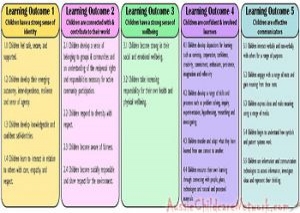 Here is the list of the EYLF Learning Outcomes that you can use as a guide or reference for your documentation and planning. The EYLF… Read More
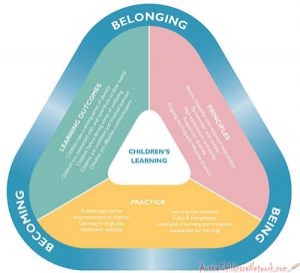 The EYLF is a guide which consists of Principles, Practices and 5 main Learning Outcomes along with each of their sub outcomes, based on identity,… Read More
 This is a guide on How to Write a Learning Story. It provides information on What Is A Learning Story, Writing A Learning Story, Sample… Read More
 One of the most important types of documentation methods that educators needs to be familiar with are “observations”. Observations are crucial for all early childhood… Read More
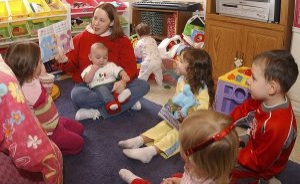 To support children achieve learning outcomes from the EYLF Framework, the following list gives educators examples of how to promote children's learning in each individual… Read More
 Reflective practice is learning from everyday situations and issues and concerns that arise which form part of our daily routine while working in an early… Read More
 When observing children, it's important that we use a range of different observation methods from running records, learning stories to photographs and work samples. Using… Read More
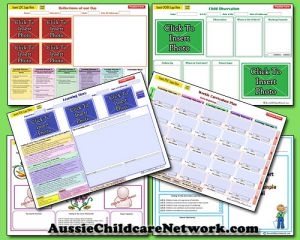 Within Australia, Programming and Planning is reflected and supported by the Early Years Learning Framework. Educators within early childhood settings, use the EYLF to guide… Read More
 This is a guide for educators on what to observe under each sub learning outcome from the EYLF Framework, when a child is engaged in… Read More
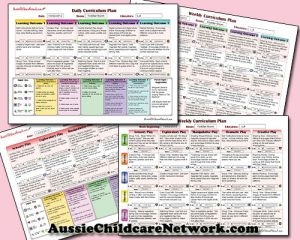 The Early Years Learning Framework describes the curriculum as “all the interactions, experiences, activities, routines and events, planned and unplanned, that occur in an environment… Read More
This is the list of 2022 public holidays for each state and territory in Australia...
See more...
Interactions with children and families lie at the heart of ECEC practices. Early educators as...
See more...
When we talk about programming and planning for babies in early childhood, we’re really delving...
See more...