Exceeding Theme 3: Practice is shaped by meaningful engagement with families and/or the community. It focuses on practice being shaped by meaningful engagement with families and the community. It highlights that high-quality services don’t operate in isolation; educators actively collaborate with families, children, and community partners to co-construct learning, well-being, and service identity.
This theme demonstrates that OSHC services value diverse perspectives, embed cultural knowledge, and create strong partnerships that enrich children’s experiences.
Practical Examples in OSHC
| Area | Critical Reflection Example |
|---|---|
| Child Agency | 1. Hold “planning circles” where children vote on activities. 2. Use suggestion boxes or digital polls for weekly program input. |
| Inclusion | 1. Invite families to share stories, recipes, or celebrations. 2. Display multilingual signage and children’s home languages in the environment. |
| Sustainability | 1. Families donate recycled materials for creative construction. 2. Children and families co-create sustainability displays. |
| Cultural Pride | 1. Families lead cooking, dance, or storytelling sessions. 2. Children create art inspired by their cultural heritage. |
| Safety & Wellbeing | 1. Parents demonstrate yoga or mindfulness routines. 2. Families share nutrition traditions for OSHC menus. |
| Documentation | 1. Families add reflections or photos to children’s portfolios. 2. Share inquiry journals digitally for home input. |
Exceeding Theme 1 Across Quality Areas 1–7 in OSHC
Quality Area 1: Educational Program and Practice
Overview: Programs are enriched when families and community voices shape inquiry, projects, and curriculum design.
Example 1: Family-led inquiry projects
- Implementation 1: Invite parents with expertise (e.g., a beekeeper) to co-lead a science project.
- Implementation 2: Use family stories or cultural traditions as starting points for literacy and art activities.
Example 2: Community experts in programming
- Implementation 1: Partner with local artists to run workshops that connect to children’s interests.
- Implementation 2: Collaborate with scientists or environmental groups to extend STEM projects.
Quality Area 2: Children’s Health and Safety
Overview: Families and community partners strengthen well-being practices and safety education.
Example 1: Family contributions to well-being
- Implementation 1: Families share cultural nutrition practices, which are embedded into OSHC snack menus.
- Implementation 2: Parents demonstrate mindfulness or yoga routines during group sessions.
Example 2: Community health partnerships
- Implementation 1: Invite local paramedics to run child-friendly first aid workshops.
- Implementation 2: Collaborate with dental clinics for oral health education sessions.
Quality Area 3: Physical Environment
Overview: Families and communities help shape sustainable, inclusive, and engaging environments.
Example 1: Co-designed play spaces
- Implementation 1: Families join working bees to build garden beds or outdoor furniture.
- Implementation 2: Local carpenters or artists contribute to creating culturally inspired play structures.
Example 2: Recycling and sustainability projects
- Implementation 1: Families donate recycled materials for creative construction projects.
- Implementation 2: Partner with community recycling centres to run sustainability workshops.
Quality Area 4: Staffing Arrangements
Overview: Staff development is enriched through family and community collaboration.
Example 1: Shared professional learning
- Implementation 1: Educators attend cultural awareness sessions led by community elders.
- Implementation 2: Families share skills (gardening, cooking, storytelling) during staff-child activities.
Example 2: Mentorship and skill-sharing
- Implementation 1: Invite parents with specialist skills (IT, sports, arts) to mentor educators.
- Implementation 2: Partner with community organisations for joint training opportunities.
Quality Area 5: Relationships with Children
Overview: Family and community engagement strengthens children’s identity, belonging, and social development.
Example 1: Family traditions in programming
- Implementation 1: Use family cultural stories in group storytelling circles.
- Implementation 2: Celebrate festivals with family-led activities and shared food.
Example 2: Community mentors for children
- Implementation 1: Local sports coaches run skill-building sessions.
- Implementation 2: Artists or musicians mentor children in creative projects.
Quality Area 6: Collaborative Partnerships with Families and Communities
Overview: Partnerships are central to exceeding practice, ensuring families and communities co-shape service identity.
Example 1: Family forums and decision-making
- Implementation 1: Hold quarterly family forums to review policies and programming.
- Implementation 2: Invite families to co-create newsletters or digital reflections.
Example 2: Community partnerships
- Implementation 1: Collaborate with libraries, museums, or cultural groups for excursions.
- Implementation 2: Partner with local environmental groups for sustainability projects.
Quality Area 7: Governance and Leadership
Overview: Leadership ensures family and community voices are embedded in governance and continuous improvement.
Example 1: Collaborative policy review
- Implementation 1: Families and community stakeholders review service policies annually.
- Implementation 2: Policies are updated to reflect diverse cultural perspectives.
Example 2: Strategic planning with community input
- Implementation 1: Leadership teams consult families during strategic planning cycles.
- Implementation 2: Community engagement is documented as part of continuous improvement.
Educator Reflection Prompts
- How do I actively embed family and community perspectives in everyday practice?
- Am I creating genuine partnerships, or are families only consulted occasionally?
- How do I ensure cultural responsiveness is sustained across all quality areas?
Exceeding Theme 3 reminds us that OSHC services thrive when families and communities are co-creators of learning and well-being. By embedding collaboration into everyday practice, educators build authentic, culturally rich, and community-connected programs that exceed the National Quality Standard.
Further Reading
Exceeding Theme 1 in OSHC Services: Overview & Practical Examples
Exceeding Theme 2 in OSHC Services: Overview & Practical Examples
Program Planning In OSHC Services
Flexible Indoor Layouts In OSHC Settings
MTOP Learning Outcomes V2.0
How Educators Promote MTOP Outcomes 2.0
Principles Of The MTOP Version 2.0
Practical Activity Examples Linked To The MTOP Framework
How Children Achieve MTOP Outcomes V2.0



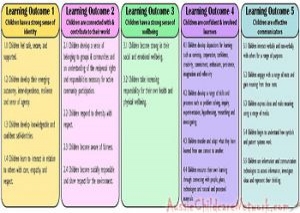 Here is the list of the EYLF Learning Outcomes that you can use as a guide or reference for your documentation and planning. The EYLF
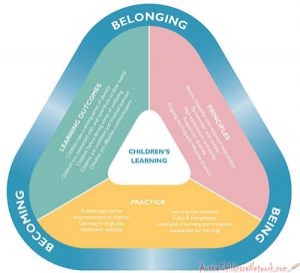 The EYLF is a guide which consists of Principles, Practices and 5 main Learning Outcomes along with each of their sub outcomes, based on identity,
 This is a guide on How to Write a Learning Story. It provides information on What Is A Learning Story, Writing A Learning Story, Sample
 One of the most important types of documentation methods that educators needs to be familiar with are “observations”. Observations are crucial for all early childhood
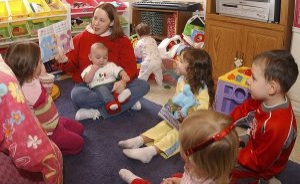 To support children achieve learning outcomes from the EYLF Framework, the following list gives educators examples of how to promote children's learning in each individual
 Reflective practice is learning from everyday situations and issues and concerns that arise which form part of our daily routine while working in an early
 When observing children, it's important that we use a range of different observation methods from running records, learning stories to photographs and work samples. Using
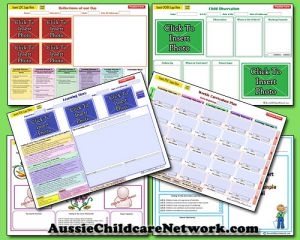 Within Australia, Programming and Planning is reflected and supported by the Early Years Learning Framework. Educators within early childhood settings, use the EYLF to guide
 This is a guide for educators on what to observe under each sub learning outcome from the EYLF Framework, when a child is engaged in
 The Early Years Learning Framework describes the curriculum as “all the interactions, experiences, activities, routines and events, planned and unplanned, that occur in an environment