
The QIP is more than a compliance document; it’s a living reflection of our service’s journey toward excellence. For it to truly represent practice, educators must be actively involved in shaping, reviewing, and updating it.
Why Educator Input Matters
- Authenticity: Educators’ voices ensure the QIP reflects real practice, not just leadership perspectives.
- Ownership: When educators contribute, they feel invested in the goals and outcomes.
- Continuous Improvement: Diverse insights highlight strengths and uncover areas for growth.
Practical Strategies for Involving Educators
1. Collaborative Reflection
- Dedicate time in staff meetings for QIP discussions.
- Use reflection prompts like "What's working well in our program?” or “Where do we see opportunities for improvement?”
Example Implementation:
- Create a “QIP Reflection Wall” where educators add sticky notes with ideas.
- Rotate responsibility for leading reflection on different quality areas.
2. Embedding QIP into Daily Practice
- Link everyday observations and program reflections to QIP goals.
- Encourage educators to record quick notes that connect practice to improvement areas.
Example Implementation:
- Provide short templates (e.g., “Today I noticed… This links to QA3 because …"
- Use digital platforms where educators can upload reflections in real time.
3. Visible Progress Tracking
- Display current QIP goals in the staff room or digitally.
- Celebrate milestones and show how educator input has shaped updates.
Example Implementation:
- Use a progress chart that tracks actions completed.
- Share updates in newsletters or team meetings to highlight educator contributions.
4. Recognition and Feedback
- Acknowledge educator input formally and informally.
- Close the loop by showing how suggestions have been actioned.
Example Implementation:
- Include educator quotes in QIP documentation.
- Celebrate improvements with small team rituals (morning shout-outs, thank-you notes).
Educator Reflection Prompts
- How do I contribute my voice to the QIP?
- Do I see my ideas reflected in our improvement goals?
- How can I link my daily practice to broader service outcomes?
The QIP becomes powerful when it is owned collectively. By embedding educator input into reflection, documentation, and decision-making, services move beyond compliance to authentic, continuous improvement.
Further Reading
Understanding The Quality Improvement Plan In Early Childhood
QIP Display Board Photo Ideas
Self-Assessment, Critical Reflection, and the QIP
QIP Action Plan Guide For Educators
QIP Priorities for Early Childhood Services




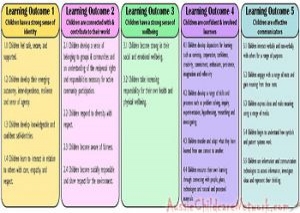 Here is the list of the EYLF Learning Outcomes that you can use as a guide or reference for your documentation and planning. The EYLF
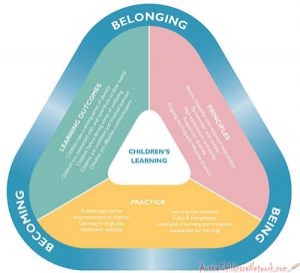 The EYLF is a guide which consists of Principles, Practices and 5 main Learning Outcomes along with each of their sub outcomes, based on identity,
 This is a guide on How to Write a Learning Story. It provides information on What Is A Learning Story, Writing A Learning Story, Sample
 One of the most important types of documentation methods that educators needs to be familiar with are “observations”. Observations are crucial for all early childhood
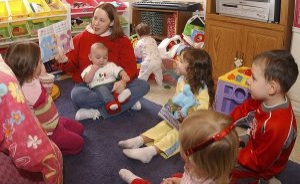 To support children achieve learning outcomes from the EYLF Framework, the following list gives educators examples of how to promote children's learning in each individual
 Reflective practice is learning from everyday situations and issues and concerns that arise which form part of our daily routine while working in an early
 When observing children, it's important that we use a range of different observation methods from running records, learning stories to photographs and work samples. Using
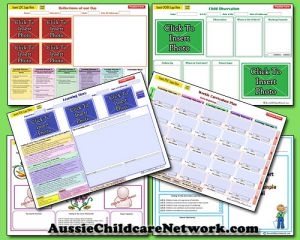 Within Australia, Programming and Planning is reflected and supported by the Early Years Learning Framework. Educators within early childhood settings, use the EYLF to guide
 This is a guide for educators on what to observe under each sub learning outcome from the EYLF Framework, when a child is engaged in
 The Early Years Learning Framework describes the curriculum as “all the interactions, experiences, activities, routines and events, planned and unplanned, that occur in an environment