Quality Area 1 (Educational Program and Practice) of the NQS focuses on how services design, implement, and reflect on programs that support children’s learning and development. While assessors often emphasize critical reflection and the QIP, many services find it helpful to collate evidence in a dedicated folder for clarity and consistency.
Why Use Evidence Folders?
- Provide a central reference point for educators and assessors.
- Showcase the planning cycle (observe → plan → implement → reflect).
- Demonstrate alignment with approved learning frameworks.
- Highlight how the service philosophy is embedded in practice.
Suggested Evidence for QA 1 Folders
| Category | Examples of Evidence | Notes |
|---|---|---|
| Philosophy & Frameworks | Service philosophy statement, EYLF/MTOP/QKLG references | Show how play-based, child-led learning is embedded |
| Programs & Planning | Weekly/fortnightly programs, planning cycle templates, intentional teaching plans | Include both structured and spontaneous learning |
| Observations & Assessments | Learning stories, anecdotal records, developmental snapshots, transition statements | Demonstrate individual child progress |
| Critical Reflections | Educator reflections, team meeting notes, evaluation of program effectiveness | Link reflections to changes in practice |
| Learning Environments | Photos of setups, notes on intentional teaching spaces, examples of provocations | Highlight how environments support learning outcomes |
| Family & Community Input | Communication logs, parent feedback, collaborative planning notes | Show partnership with families |
| Behaviour Guidance & Inclusion | Strategies linked to program, inclusion plans, cultural responsiveness examples | Evidence of respectful, inclusive practice |
| Professional Collaboration | Meeting minutes, consultant feedback, peer mentoring notes | Demonstrate ongoing professional dialogue |
Tips for Educators
- Keep folders concise and purposeful—avoid overwhelming them with paperwork.
- Use a mix of digital and physical evidence depending on what works best for your service.
- Regularly update with critical reflections to show ongoing improvement.
- Remember: assessors value authentic practice over volume of documents.
Further Reading
Exceeding Guidance For Quality Area 1
Documentation Services Require To Support Quality Area 1
How To Achieve Quality Area 1
Reflection Questions For Quality Area 1
Practical Examples Of NQS Quality Area 1
Key Terms From Quality Area 1



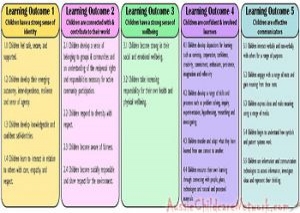 Here is the list of the EYLF Learning Outcomes that you can use as a guide or reference for your documentation and planning. The EYLF
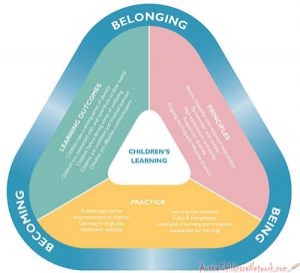 The EYLF is a guide which consists of Principles, Practices and 5 main Learning Outcomes along with each of their sub outcomes, based on identity,
 This is a guide on How to Write a Learning Story. It provides information on What Is A Learning Story, Writing A Learning Story, Sample
 One of the most important types of documentation methods that educators needs to be familiar with are “observations”. Observations are crucial for all early childhood
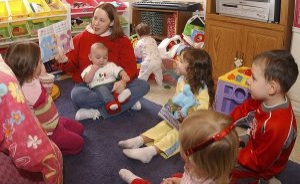 To support children achieve learning outcomes from the EYLF Framework, the following list gives educators examples of how to promote children's learning in each individual
 Reflective practice is learning from everyday situations and issues and concerns that arise which form part of our daily routine while working in an early
 When observing children, it's important that we use a range of different observation methods from running records, learning stories to photographs and work samples. Using
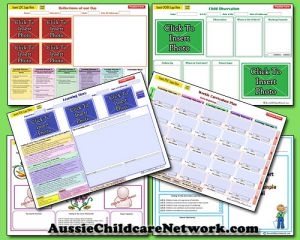 Within Australia, Programming and Planning is reflected and supported by the Early Years Learning Framework. Educators within early childhood settings, use the EYLF to guide
 This is a guide for educators on what to observe under each sub learning outcome from the EYLF Framework, when a child is engaged in
 The Early Years Learning Framework describes the curriculum as “all the interactions, experiences, activities, routines and events, planned and unplanned, that occur in an environment