Quality Area 2 (Children's Health and Safety) of the NQS focuses on ensuring children’s health, safety, and well-being. While assessors often rely on observation and discussion, many services find it helpful to collate supporting documentation in a dedicated evidence folder. This provides clarity, consistency, and confidence when demonstrating compliance.
Why Use Evidence Folders?
- Provide a central reference point for educators and assessors.
- Showcase how policies and practices are embedded in daily routines.
- Demonstrate proactive risk management and health promotion.
- Highlight collaboration with families and community health services.
Suggested Evidence for QA 2 Folders
| Category | Examples of Evidence | Notes |
|---|---|---|
| Health & Hygiene | Handwashing procedures, cleaning schedules, food safety records | Show how practices align with service policies and NQS requirements |
| Safety & Risk Management | Risk assessments, hazard checklists, incident/accident reports, emergency drills | Demonstrate proactive identification and management of risks |
| Medical & Well-Being | Medication forms, allergy/asthma/anaphylaxis management plans, immunisation records | Evidence of individualised health support plans |
| Nutrition & Mealtimes | Menus, nutrition policies, family communication on dietary needs | Highlight balanced, culturally inclusive food practices |
| Sleep & Rest | Sleep/rest routines, safe sleep policy, monitoring records | Show alignment with Red Nose safe sleep guidelines |
| Environment Safety | Playground inspections, equipment maintenance logs, safety audits | Demonstrate ongoing monitoring of physical environment |
| Emergency Preparedness | Evacuation plans, fire drill records, lockdown procedures | Evidence of preparedness and staff training |
| Family Communication | Newsletters, health alerts, parent feedback on safety practices | Show partnership with families in promoting health and safety |
| Professional Development | Staff training certificates (first aid, CPR, asthma/anaphylaxis), induction records | Demonstrate educator competence and ongoing learning |
Tips for Educators
- Keep folders concise—focus on key documents that demonstrate practice.
- Update regularly with incident reports, risk assessments, and training records.
- Use both digital and physical formats depending on service preference.
- Remember: assessors value authentic, consistent practice over sheer volume of paperwork.
Building QA 2 evidence folders is about curating meaningful documentation that demonstrates how your service safeguards children’s health and well-being. By aligning evidence with policies, risk management, and family collaboration, educators can present a clear, consistent picture of practice that reassures assessors and strengthens sector confidence.
Further Reading
Building QA 1 Evidence Folders: A Practical Guide for Educators
Reflection Questions For Quality Area 2
Exceeding Guidance For Quality Area 2
How To Achieve Quality Area 2
Practical Examples Of NQS Quality Area 2
Quality Area 2 Cheat Sheet 2
Key Terms From Quality Area 2
Quality Area 2 Cheat Sheet 2




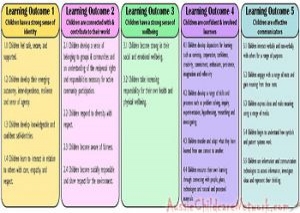 Here is the list of the EYLF Learning Outcomes that you can use as a guide or reference for your documentation and planning. The EYLF
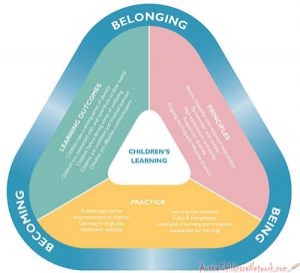 The EYLF is a guide which consists of Principles, Practices and 5 main Learning Outcomes along with each of their sub outcomes, based on identity,
 This is a guide on How to Write a Learning Story. It provides information on What Is A Learning Story, Writing A Learning Story, Sample
 One of the most important types of documentation methods that educators needs to be familiar with are “observations”. Observations are crucial for all early childhood
 To support children achieve learning outcomes from the EYLF Framework, the following list gives educators examples of how to promote children's learning in each individual
 Reflective practice is learning from everyday situations and issues and concerns that arise which form part of our daily routine while working in an early
 When observing children, it's important that we use a range of different observation methods from running records, learning stories to photographs and work samples. Using
 Within Australia, Programming and Planning is reflected and supported by the Early Years Learning Framework. Educators within early childhood settings, use the EYLF to guide
 This is a guide for educators on what to observe under each sub learning outcome from the EYLF Framework, when a child is engaged in
 The Early Years Learning Framework describes the curriculum as “all the interactions, experiences, activities, routines and events, planned and unplanned, that occur in an environment