Floorbooks are often associated with preschool and older children, but they can be just as powerful in nursery rooms with babies. While babies may not yet use spoken language, they communicate richly through gestures, facial expressions, sounds, and actions. Floorbooks provide a way for educators to honor these early voices, making learning visible and collaborative from the very beginning.
Why Use Floorbooks with Babies?
- Amplifies Non-Verbal Communication: Babies’ cues—pointing, reaching, babbling—are recorded as meaningful contributions.
- Supports Agency: Even the youngest learners can influence the direction of inquiry when their interests are documented.
- Builds Continuity: Floorbooks create a shared record that educators, families, and babies revisit over time.
- Strengthens Relationships: Recording babies’ actions and responses shows families how their child’s individuality is valued.
Practical Strategies for Implementation
-
Observation as Voice
Document babies’ gestures, eye gaze, or repeated actions alongside photos. Add educator notes interpreting what the baby may be communicating. -
Visual Storytelling
Use photos of babies exploring materials (e.g., mouthing blocks, reaching for textures) and pair them with captions that reflect their curiosity. -
Family Contributions
Invite families to add photos or comments about similar interests at home, creating a bridge between nursery and family life. -
Group Reflection
During group time, revisit Floorbook pages with babies—pointing to photos, naming objects, and encouraging recognition. -
Linking to Frameworks
Connect entries to EYLF outcomes such as “Children are confident and involved learners” or “Children have a strong sense of identity.”
Practical Examples for Using Floorbooks with Babies
1. Exploring Textures
- Scenario: A baby repeatedly touches a basket of natural materials (pinecones, shells, fabric swatches).
- Floorbook Entry: Add a photo of the baby’s hand reaching for the pinecone. Caption: “Sam was fascinated by the rough texture today.”
- Extension: Families share photos of their baby exploring textures at home.
2. Responding to Sounds
- Scenario: During music time, a baby smiles and bounces when the tambourine is played.
- Floorbook Entry: Photo of baby with tambourine, caption: “Ella showed joy when the tambourine shook—she bounced to the rhythm.”
- Extension: Reflection box: “How can we extend Ella’s interest in rhythm?”
3. Peer Interaction
- Scenario: Two babies crawl towards each other and exchange toys.
- Floorbook Entry: Photos with caption: “Liam and Ava shared toys today—showing early social connection.”
- Extension: Families add comments about sibling interactions at home.
4. Curiosity with Everyday Objects
- Scenario: A baby spends time opening and closing cupboard doors or posting blocks into a box.
- Floorbook Entry: Photo + caption: “Maya explored cause and effect by opening and closing the cupboard door.”
- Extension: Educator reflection: “What other materials could support Maya’s interest in cause-and-effect play?”
5. Outdoor Discovery
- Scenario: A baby points at birds flying overhead or reaches for leaves.
- Floorbook Entry: Photo + caption: “Arjun noticed birds in the sky — he pointed and vocalized.”
- Extension: Families add photos of birds near their home.
6. Emotional Expression
- Scenario: A baby claps and laughs when bubbles float past.
- Floorbook Entry: Photo + caption: “Sophie expressed delight when bubbles floated near her face.”
- Extension: Educator reflection: “How can we use bubbles to support sensory exploration and joy in group play?”
Tips for Educators
- Use photos + captions as the main format (babies respond visually).
- Keep language simple and positive, focusing on what the baby did.
- Add family voice wherever possible.
- Revisit pages with babies: point to photos, name objects, encourage recognition.
- Celebrate small milestones and date entries to track progression.
Reflection Prompts for Educators
- How do Floorbooks help you recognize babies’ agency in daily routines?
- In what ways can you ensure families see their child’s voice represented?
- How might revisiting Floorbooks support babies’ sense of belonging?
Using Floorbooks with babies reframes documentation as a collaborative, respectful practice. It acknowledges that even the youngest learners have ideas, preferences, and voices worth capturing. By embedding Floorbooks into nursery routines, educators create a living record that celebrates babies’ agency, strengthens family partnerships, and enriches the learning environment.
Further Reading
Using Floorbooks With Children In Early Childhood
How To Start Floor Books In Early Childhood



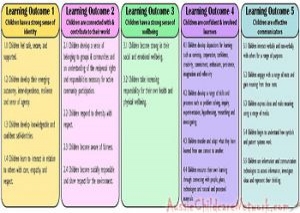 Here is the list of the EYLF Learning Outcomes that you can use as a guide or reference for your documentation and planning. The EYLF
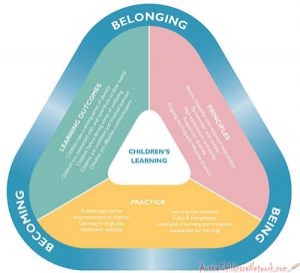 The EYLF is a guide which consists of Principles, Practices and 5 main Learning Outcomes along with each of their sub outcomes, based on identity,
 This is a guide on How to Write a Learning Story. It provides information on What Is A Learning Story, Writing A Learning Story, Sample
 One of the most important types of documentation methods that educators needs to be familiar with are “observations”. Observations are crucial for all early childhood
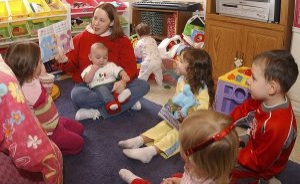 To support children achieve learning outcomes from the EYLF Framework, the following list gives educators examples of how to promote children's learning in each individual
 Reflective practice is learning from everyday situations and issues and concerns that arise which form part of our daily routine while working in an early
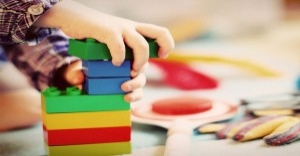 When observing children, it's important that we use a range of different observation methods from running records, learning stories to photographs and work samples. Using
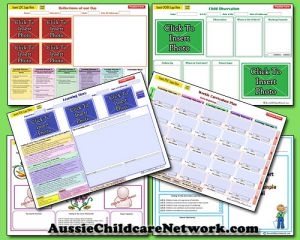 Within Australia, Programming and Planning is reflected and supported by the Early Years Learning Framework. Educators within early childhood settings, use the EYLF to guide
 This is a guide for educators on what to observe under each sub learning outcome from the EYLF Framework, when a child is engaged in
 The Early Years Learning Framework describes the curriculum as “all the interactions, experiences, activities, routines and events, planned and unplanned, that occur in an environment