
Our thoughts and deepest sympathies are with everyone affected by the tragic events at Bondi. We hold close in our hearts those who have suffered loss, those who were injured, and all families and community members navigating shock, grief, or uncertainty. In moments like these, we stand together in compassion, care, and solidarity.
When our wider community is shaken, children and families often look to us for steadiness, gentleness, and a sense of safety. Even when the world feels uncertain, the relationships we build in early childhood settings become powerful anchors.
As educators, we don’t need all the answers. What we can offer is presence, predictability, and compassion.
What Children Need Right Now
- Reassurance through routine. Familiar rhythms help children feel grounded when the world around them feels unsettled.
- Emotionally safe spaces. Children may express worry through play, behaviour, or questions. Meeting these moments with calm curiosity helps them feel seen and supported.
- Honest, age‑appropriate responses. We can acknowledge feelings without providing unnecessary detail. Simple statements like “You’re safe here” or “It’s okay to feel unsure” can be deeply comforting.
Supporting Families
Families may be carrying invisible emotional loads. Some may be directly affected; others may be navigating fear, grief, or overwhelm.
We can support them by:
- Offering warmth at drop‑off and pick‑up. A gentle check‑in can mean more than we realise.
- Sharing observations about their child’s well-being. Noticing strengths, resilience, and moments of joy helps families breathe a little easier.
- Providing calm, factual communication. Families appreciate knowing that their child’s day remains stable, supported, and connected.
Caring for Ourselves as Educators
Holding space for others is meaningful work, but it can also be heavy. It’s okay to feel impacted.
Lean on your team. Debrief. Take breaks when you can. Caring for yourself strengthens your ability to care for others.
Our Role Matters
In times of collective distress, early childhood settings become places of refuge where children experience safety, belonging, and hope. The work you do every day helps families feel less alone and helps children make sense of their world with gentleness and trust.
Thank you for showing up with heart, professionalism, and humanity. Your presence makes a difference.
Further Reading
Supporting Children Deal With Stress
Supporting Mental Health Of Children, Families and Educators
Supporting Children Manage Their Anxiety




 The Children’s Services Award introduces a streamlined classification system and updated pay rates designed to better recognise the skills, qualifications, and responsibilities of early childhood
 The Children’s Services Award has 8 clear levels. These levels make it easier to understand where you fit, based on your experience, qualifications, and responsibilities.
 When working as a qualified early childhood teacher (with a university degree) within a service, your rate of pay will come from the Educational Services
 Diploma-qualified educators play a vital role in early childhood services, taking on responsibilities that range from supporting children’s learning and development to leading rooms and
 Certificate III qualified educators form the backbone of early childhood services, providing essential care and learning support for children across all settings. Their wages under
 Early Childhood Teachers (ECTs) play a vital role in leading curriculum and pedagogy in early learning settings. Regulation 272 of the Education and Care Services
 Children need safe and positive environments to learn and grow. To ensure this, services and educators need to ensure effective supervision at all times. The
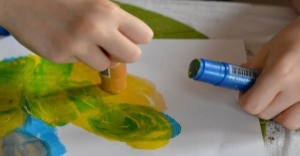 Floorbook is a documentation approach that uses a large book with blank pages for children to record different aspects of their learning in small groups
 Educators can maximise tax deductions by claiming classroom supplies, training, union fees, and home office costs this financial year.
 In Norway and most other Scandinavian countries, children nap in the outdoors. According, to research outdoor sleeping not only promotes better daytime sleeping, but it