



Play is more than just fun; it is a fundamental right enshrined in UNCRC Article 31, which guarantees every child the right to rest, leisure, play, and participation in cultural and artistic life. On the International Day of Play (11 June 2026), we are reminded that protecting play means protecting childhood itself. The 31 Minutes of Play Challenge is a simple yet powerful way to honour this right: dedicating at least 31 minutes each day to uninterrupted play that nurtures creativity, imagination, and well-being.

Play in OOSH settings is more than just fun; it is a powerful tool for children’s social, emotional, and cognitive growth. As educators, reflecting on play experiences helps us understand how children are learning, interacting, and developing in these settings.
Critical reflection ensures that play opportunities are inclusive, meaningful, and aligned with both developmental needs and program goals. By asking thoughtful questions, educators can evaluate the quality of play and make informed decisions to enhance children’s experiences.
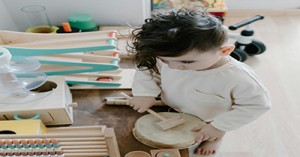
In early childhood education, the quality of a play space isn’t defined by how polished it looks—it’s defined by how deeply it invites children to imagine, explore, and belong. Research consistently shows that the most powerful play environments are those that center children’s agency, emotional safety, and social connection. Here are five foundational features that elevate play from passive activity to transformative experiences.

“Stay safe.”
“Stay clean.”
“Stay quiet.”
“Do it right.”
Individually, these phrases seem benign. But stacked together, they send a clear message: control comes first, curiosity second. And under that pressure, play shrinks.
Let’s be honest. Much of what limits children’s play isn’t about their needs—it’s about ours.

Play is more than just fun—it’s an essential part of a child’s growth and development. Through play, children explore their world, develop crucial skills, and build emotional resilience. For families and educators, understanding the significance of play can help create an environment where children thrive.

"Play Matters" is a free resource book written for educators in the early years sector. It emphasizes the importance of play in early childhood development and provides practical insights and strategies for integrating play into educational settings.

The principles of play in early childhood education emphasise its critical role in children’s development. The following article provides information on the Principles Of Play, Integrating These Principles Into Your Practice, Examples Of Successful Play Integration, Practical Steps To Implement These Examples, and Linking Play Principles To The EYLF.
 The Children’s Services Award introduces a streamlined classification system and updated pay rates designed to better recognise the skills, qualifications, and responsibilities of early childhood… Read More
 The Children’s Services Award has 8 clear levels. These levels make it easier to understand where you fit, based on your experience, qualifications, and responsibilities.… Read More
 When working as a qualified early childhood teacher (with a university degree) within a service, your rate of pay will come from the Educational Services… Read More
 Diploma-qualified educators play a vital role in early childhood services, taking on responsibilities that range from supporting children’s learning and development to leading rooms and… Read More
 Certificate III qualified educators form the backbone of early childhood services, providing essential care and learning support for children across all settings. Their wages under… Read More
 Early Childhood Teachers (ECTs) play a vital role in leading curriculum and pedagogy in early learning settings. Regulation 272 of the Education and Care Services… Read More
 Discover how school readiness programs support children’s independence, confidence, and skills for a successful transition into primary school.
Read More
Discover how school readiness programs support children’s independence, confidence, and skills for a successful transition into primary school.
Read More
 When an Educator is not performing their tasks or responsibilities at best practice, these issues need to be addressed for the Educator to understand where… Read More
 Educators can maximise tax deductions by claiming classroom supplies, training, union fees, and home office costs this financial year.
Read More
Educators can maximise tax deductions by claiming classroom supplies, training, union fees, and home office costs this financial year.
Read More
 A staff appraisal is a formal, systematic process of determining and reviewing the performance of early childhood educators over a period of time, usually a… Read More

March 17th, is St Patrick's Day. St. Patrick's Day observes the death of St. Patrick, the patron...
See more...
As Educators working with children, it's important to understand each theoretical approach and use parts...
See more...
Discover strategies for educators to stay positive and resilient when workplace recognition feels absent or...
See more...