


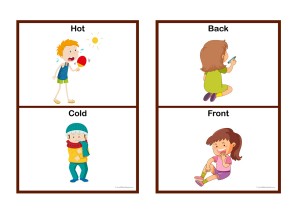
The Opposites Posters enable children to learn the concept of opposites. Opposites are pairs of words that directly contrast each other or are opposites. These posters have colour images to help children grasp this concept. These are great to display within the learning environment.
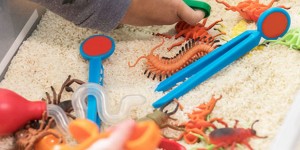
Early childhood is a busy time – there are so many new objects to look at and touch, sensations to experience and activities to explore. Not surprisingly then, it is common for children to occasionally have trouble paying attention. However, adding a sensory component or enhancing the existing sensory features of an activity can help promote attention and engagement. The following article provides strategies and activity ideas for auditory, visual, tactile, oral, and movement sensory stimulation.
NAIDOC Week 2022 starts from 3 July to 10 July. NAIDOC Week celebrations are held across Australia to celebrate the history, culture and achievements of Aboriginal and Torres Strait Islander peoples. The following provides Activities, Crafts, Songs and Resources to celebrate NAIDOC Week and incorporate ATSI Communities into your Early Childhood Service.
A co-listening podcast for preschoolers is called Little Yarns. Little Yarns is all about the various languages, tales, and countries of Indigenous Australia and is a great listening resource in early learning services.

Saying sorry is among the earliest lessons in interpersonal behaviour that children learn when growing up. There are indeed many benefits of an apology but sometimes we forget that almost always they depend on both sides genuine feeling the emotions rather than being forced to go through the motions. The following article provides information on the Importance Of Apologising and Strategies To Support Children In Saying Sorry.
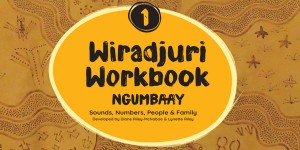
The following free workbooks are designed to allow the best opportunities to learn the Wiradjuri language and culture through games and other learning activities. Wiradjuri is one of many Aboriginal languages on the East Coast of Australia.
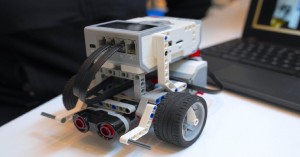
STEM, the word stands for Science, Technology, Engineering, and Mathematics. It is a way of education where the subjects that are mentioned above are taught in coherence with each other instead of in isolation. It focuses to make a bridge between the learning gap and experience through child-centric materials with the aim of making children active learners. The following article provides information on STEM Education, Incorporating STEM Education In Different Ways, Learning Environment and STEM and more!
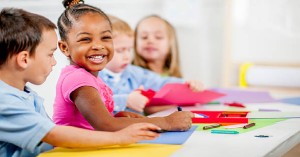
Pre-writing skills are the techniques that will make a child ready for writing. It is just like you have to walk first before you run likewise pre-writing skills will help children develop fine motor skills such as hand-eye coordination which will strengthen the hand muscles. The following article provides information on Pre-Writing Skills Activities, Benefits Of Pre-Writing Skills and more.

As the words indicate, Open-ended questions have no right or wrong answers and thus cannot be answered with a simple, ‘yes’ or ‘no’. Open-ended questions figure in several of the pedagogical practices outlined in the EYLF, like ‘being responsive to children, ‘learning through play and most of all, ‘intentional teaching’. The following article provides the major benefits of using open-ended questions in the early childhood education context.
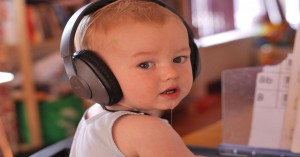
Tremendous advances in brain imaging technology over the last ten years have led to a quantum leap in brain research. Among the research areas most studied by scientists is the effect of musical experiences on the brain development of children. The following article provides information on How Music Enriches Brain Development In Children, Playing Music Vs Listening To Music, Benefits Of Music and more.
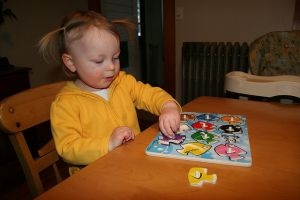 Toddlers have a greater understanding of the world around them by this stage. Their cognitive development (also known as intellectual development and thinking skills) continues… Read More
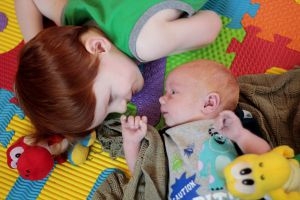 Infants begin to develop trust when parents begin to fulfil their needs. Such as changing an infant's nappy when needed, feeding on request and holding… Read More
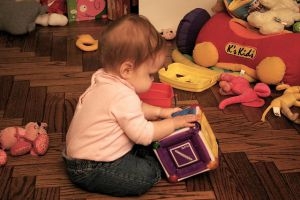 Beginning at birth the construction of thought processes, such as memory, problem solving, exploration of objects etc, is an important part of an infant’s cognitive… Read More
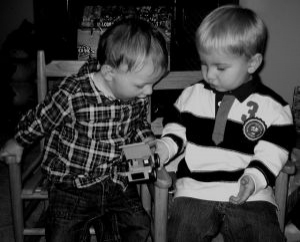 Toddlers want to do more on their own and do not like it when you begin to establish limits on their behaviour. Tantrums can become… Read More
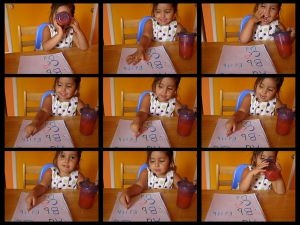 Your preschooler is now able to focus their attention more accurately and is less influenced by distractions. The intensity of questions increase as your child… Read More
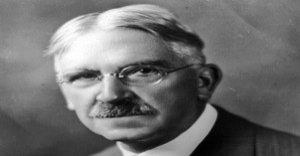 John Dewey is often seen as the proponent of learning by doing – rather than learning by passively receiving. He believed that each child was active,… Read More
 Erik Erikson developed a psychosocial theory to understand how we each develop our identities through eight stages of psychosocial development from infancy to adulthood. The… Read More
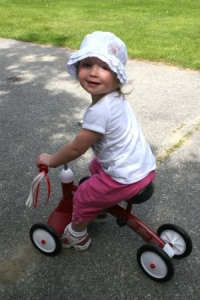 Toddler advance and gains new skills in Gross Motor Development milestones achieved throughout earlier years. Co-ordination and challenges that could not be performed before such… Read More
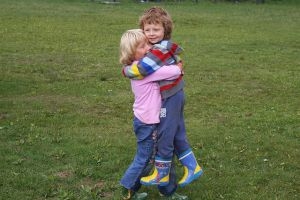 At this point preschoolers begin to interact effectively with others. Play becomes more innovative and organized and “boyfriend” or “girlfriend” begins to emerge. Preschoolers have… Read More
 From now, babies begin to identify and respond to their own feelings, understanding other's feelings & needs and interact positively with others. A baby's social and… Read More
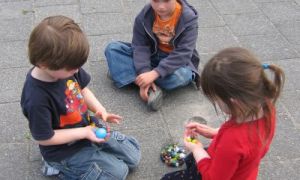
School age children are able to concentrate for a longer period of time in set...
See more...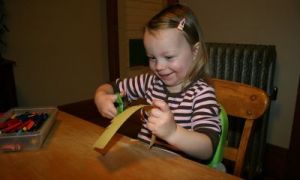
Preschoolers continued progress with fine motor skills depends on the stimulation and encouragement they receive...
See more...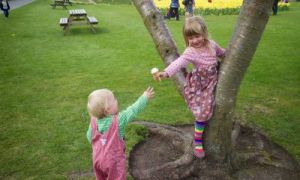
As a parent, your behavioural expectations of your child can be higher than what is...
See more...