


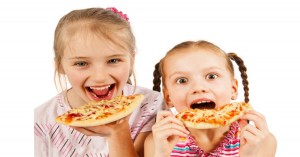
World Pizza Day is celebrated on the 9th of February. It is essentially a celebration of pizza and its journey. The following article provides activity ideas for children to implement on World Pizza Day.

On 26 January we celebrate Australia Day. The following provides a list of activities and free printables that can be implemented into the curriculum for children.

Lunar New Year is celebrated on the 29th of January 2025. The Lunar New Year in 2025 welcomes the Year of the Snake, according to the Chinese lunar calendar. The following article provides information ABout Lunar New Year, Year Of The Snake, Activity Ideas and Free Printables for children and more.

International Kite Day is held on January 14th, 2024. The following provides a list of activities and free printables that can be implemented into the curriculum for children.
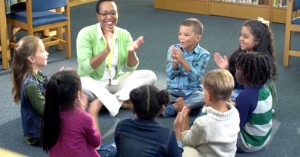
Music in varied forms offers a plethora of benefits to children, whether they are listening to or making it themselves. The following article provides the benefits of singing to children.
Though children are not physically ready to write before school, there are certain skills that can prepare them to use words and ideas when they have to put their thoughts on paper. The following article provides strategies to nurture foundation skills that will support writing skills in children.

Bean bags are a great way for children to develop skills across all developmental areas. The following article provides information on Bean Bag Activities For Skills, Benefits Of Bean Bags and more.
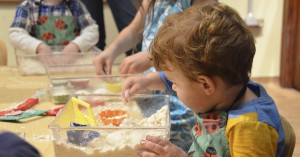
Sensory play at a young age is very important for children’s development. It gives children an opportunity to through hands-on tactical play. The following article provides a list of sensory play items that can be included in a sensory bin for children to explore.
Anti-bias experiences support respecting, valuing and embracing diversity as well as fighting prejudice and inequality and celebrating all children in a respectful and inclusive way. The following article provides anti-bias experiences that can be incorporated into the curriculum.
To assist children in learning letter identification and reinforcing letter-sound relationships, alphabet letter collages helps children to learn and recognise letters in a fun way. It also provides a great sensory, tactile, and fine motor experience. The following article lists collage materials that can be used for each individual letter.
 Toddlers have a greater understanding of the world around them by this stage. Their cognitive development (also known as intellectual development and thinking skills) continues… Read More
 Infants begin to develop trust when parents begin to fulfil their needs. Such as changing an infant's nappy when needed, feeding on request and holding… Read More
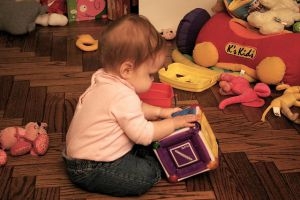 Beginning at birth the construction of thought processes, such as memory, problem solving, exploration of objects etc, is an important part of an infant’s cognitive… Read More
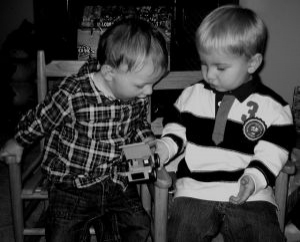 Toddlers want to do more on their own and do not like it when you begin to establish limits on their behaviour. Tantrums can become… Read More
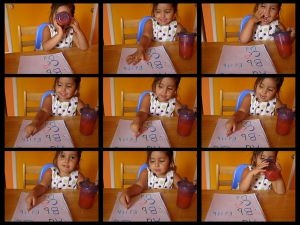 Your preschooler is now able to focus their attention more accurately and is less influenced by distractions. The intensity of questions increase as your child… Read More
 John Dewey is often seen as the proponent of learning by doing – rather than learning by passively receiving. He believed that each child was active,… Read More
 Erik Erikson developed a psychosocial theory to understand how we each develop our identities through eight stages of psychosocial development from infancy to adulthood. The… Read More
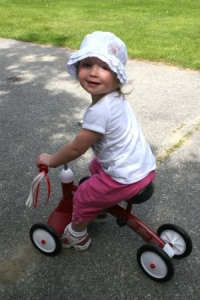 Toddler advance and gains new skills in Gross Motor Development milestones achieved throughout earlier years. Co-ordination and challenges that could not be performed before such… Read More
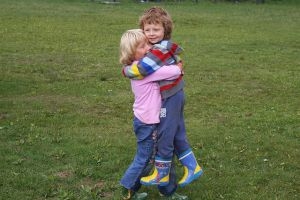 At this point preschoolers begin to interact effectively with others. Play becomes more innovative and organized and “boyfriend” or “girlfriend” begins to emerge. Preschoolers have… Read More
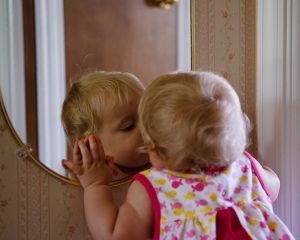 From now, babies begin to identify and respond to their own feelings, understanding other's feelings & needs and interact positively with others. A baby's social and… Read More
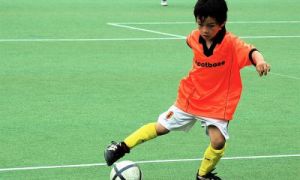
A school age child’s physical development has increased considerably at this point. Gross motor skills...
See more...
Fine Motor involves the development of the small muscles of the body. The development of...
See more...
It is not uncommon for educators to confide that transitions tend to be the most...
See more...