



Phonological awareness covers the child’s ability to recognize and use the spoken parts of sentences and words. The following article provides information on the main stages of the development of phonological skills in children.

Boosting team morale is essential for creating a positive and productive work environment. The following article provides Strategies On Boosting Team Morale and Fun Morale Boosters in early childhood settings, Creating A Positive Work Environment and more.

Holistic approaches in early childhood include a spectrum of teaching goals and practices that facilitates all aspects – physical, emotional social as well as academic – of a child’s growth. The following article provides strategies for implementing a holistic approach.

Anti-bias education in early childhood is about creating an inclusive environment where all children feel respected, valued, and empowered. The following article provides information on, Helping Children Through Bias, How Anti-Bias Education Can Be Implemented, Anti-bias Framework, How To Create An Inclusive Environment, Using Language That Avoids Stereotypes and more.

Waldorf education is a unique and holistic approach to child development, founded by Rudolf Steiner in 1919. The following article provides a Guide To Waldorf Education, The Waldorf Environment, How To Set Up The Environment According To Waldorf, The Waldorf Curriculum, Teaching Methods and more.
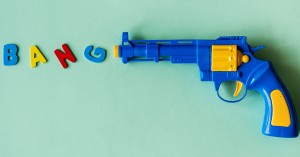
Explore weapon play in early childhood services, balancing safety, imagination, consent, and guidance to support children’s symbolic learning.
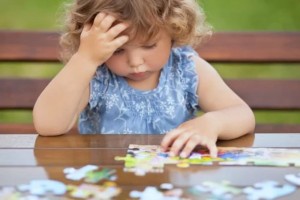
Resilience is the ability to ‘bounce back’ after facing challenges and tough times. For children, this includes experiences like starting a new school, moving house, or dealing with family changes. Children build resilience through experience and supportive relationships. The following article provides strategies on building resilience in children.

Schemas are patterns of repeated behavior that allow children to explore and express developing ideas and thoughts through their play and exploration. The following article provides information on Types Of Schemas, Benefits Of Schemas, Why Schemas Are Important, Supporting Children In Their Schemas, Difference Between Schemas and Developmental Milestones, Observing Schemas, Linking Schemas To EYLF and more.

Learning centers in early childhood education are dedicated areas within the learning environments where children engage in specific activities designed to develop various skills. The following article provides information on Benefits Of Using Learning Centres, Types Of Learning Centres, Outdoor Learning Centres, Advantages Of Incorporating Learning Centres Into Early Childhood Programs, How To Plan For Learning Centres, Materials Needed For Each Learning Centre and more.
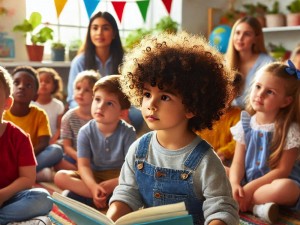
Auditory learning is a crucial aspect of early childhood education, as it helps children develop language, listening, and communication skills. The following article provides information on How To Identify Auditory Learners, Characteristics of Auditory Learners, Strategies to Support Auditory Learners, and more.
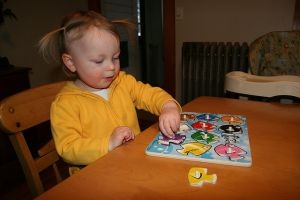 Toddlers have a greater understanding of the world around them by this stage. Their cognitive development (also known as intellectual development and thinking skills) continues… Read More
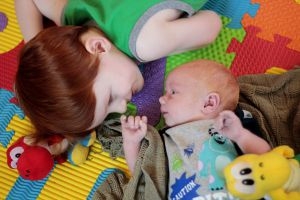 Infants begin to develop trust when parents begin to fulfil their needs. Such as changing an infant's nappy when needed, feeding on request and holding… Read More
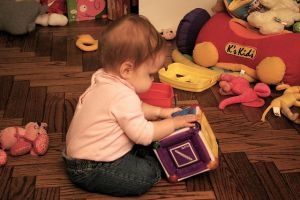 Beginning at birth the construction of thought processes, such as memory, problem solving, exploration of objects etc, is an important part of an infant’s cognitive… Read More
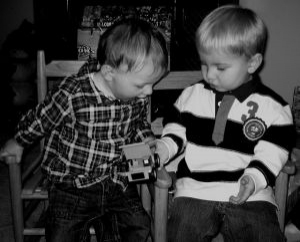 Toddlers want to do more on their own and do not like it when you begin to establish limits on their behaviour. Tantrums can become… Read More
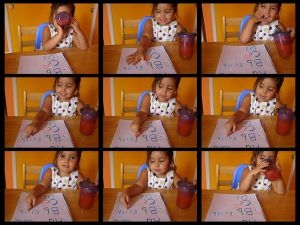 Your preschooler is now able to focus their attention more accurately and is less influenced by distractions. The intensity of questions increase as your child… Read More
 John Dewey is often seen as the proponent of learning by doing – rather than learning by passively receiving. He believed that each child was active,… Read More
 Erik Erikson developed a psychosocial theory to understand how we each develop our identities through eight stages of psychosocial development from infancy to adulthood. The… Read More
 Toddler advance and gains new skills in Gross Motor Development milestones achieved throughout earlier years. Co-ordination and challenges that could not be performed before such… Read More
 At this point preschoolers begin to interact effectively with others. Play becomes more innovative and organized and “boyfriend” or “girlfriend” begins to emerge. Preschoolers have… Read More
 From now, babies begin to identify and respond to their own feelings, understanding other's feelings & needs and interact positively with others. A baby's social and… Read More
The development of writing skills depends on a variety of physiological and environmental factors. Children...
See more...
When you were little were you ever afraid of the dark? Or small creepy insects?...
See more...
Guidance for supporting children experiencing family separation. Focuses on emotional wellbeing.
See more...