In OSHC, language plays a powerful role in shaping the culture of the environment. Inappropriate language and swearing can undermine respect, safety, and inclusivity. Educators often face the challenge of balancing children’s freedom of expression with the need to maintain a positive, professional atmosphere.
Common Challenges
- Children testing boundaries: Swearing may be used to gain attention, express frustration, or mimic peers.
- Parental disagreement: Some families may not view swearing as problematic, leading to tension when educators enforce rules.
- Consistency across settings: Children may hear different standards at home, school, and OSHC, making it harder to reinforce expectations.
Strategies for Educators
- Set clear expectations: Establish a service-wide policy that inappropriate language is not tolerated. Display rules in child-friendly formats.
- Teach alternatives: Encourage children to express emotions using respectful words, calming strategies, or creative outlets.
- Contextual understanding: Recognise that swearing may sometimes be an emotional release. Guide children toward safer, more constructive ways to express themselves.
- Communicate with families: Frame conversations around respect and safety rather than judgment. For example: “We want all children to feel safe and respected here, so we ask everyone to use positive language.”
- Consistency among staff: Ensure all educators respond in the same way to inappropriate language, reinforcing boundaries without escalating conflict.
What To Say To Children When They Swear
Here are some practical, child‑friendly phrases you can use when responding to swearing in an OSHC setting. The goal is to set boundaries without shaming while guiding children toward more respectful language:
Immediate Responses to Children
- Calm redirection:
“We don’t use those words here. Let’s try saying how you feel in another way.” - Name the behaviour, not the child:
“That word is not respectful. Please choose different words.” - Offer alternatives:
“If you’re frustrated, you can say ‘I’m really upset’ instead of swearing.” - Acknowledge emotion:
“I can see you’re angry. Let’s talk about what’s making you feel that way.” - Reinforce community values:
“At OSHC, we use kind words so everyone feels safe.”
Longer‑term Strategies
- Role-play respectful language: Practice scenarios where children express frustration without swearing.
- Create a “feelings words wall”: Give children a bank of words they can use instead of swearing.
- Consistency: Ensure all educators respond in the same way, so children know the boundary is firm.
- Positive reinforcement: Praise children when they express emotions respectfully.
This way, you’re not just saying “don’t swear”—you’re teaching them how to replace the behaviour with something constructive.
Managing inappropriate language in OSHC is not just about stopping swearing—it’s about teaching children respectful communication, emotional regulation, and community values. Every word spoken in our service contributes to the culture we create together.
By setting clear boundaries, modeling positive alternatives, and engaging families in supportive dialogue, educators can transform challenging moments into opportunities for growth.
Remember:
- Consistency builds trust.
- Respectful language fosters inclusion.
- Educator resilience ensures children feel safe and supported.
Together, we can uphold a service environment where every child’s voice is valued—and every word strengthens our community.
Further Reading
Key Regulation Techniques for OSHC Children Photo Ideas
Supporting Children's Self-Regulation
Self-Talk To Support Self-Regulation
The Zones Of Regulation
Strategies For Dealing With Physical Aggression In Children
Strategies to Promote Positive Behaviour In OOSH Services
Strategies To Help Angry Children Cool Down
Chill Zone Posters
How To Handle Big Feelings
Deep Breathing Poster
Easy Calming Area Setups: Photo Inspiration For Educators
Calming Cards


 Working as a childcare professional can be a challenge especially when dealing with behavioural problems which may arise. The techniques we use when dealing with
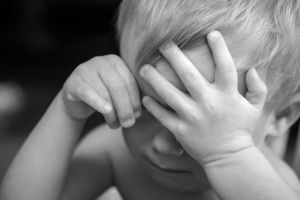 There are different types of behaviour that children can display and sometimes it can be hard to manage, especially if a child is having behavioural
 As Educators, there will be many instances where you will need to write about a child's behaviour. For a behaviour management plan, assessments, half-yearly or
 As a parent, your behavioural expectations of your child can be higher than what is actually developmentally appropriate for your child's age.
 As Educators when communicating with Parents (through verbal or non-verbal communication), there will be times where we need to discuss issues or concerns that may
 Challenging Behaviour is when a child does something that hurts themselves and/or other people.
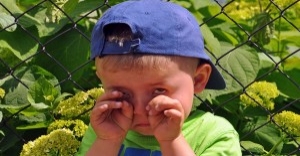 It's always difficult to bring up behavioural issues with parents, it can be nerve wrecking to tell a parent that their child misbehaves but that
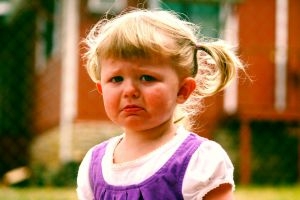 As part of your child's development it is normal for your child to have anxiety and fears. A baby commonly shows a fearful sign to
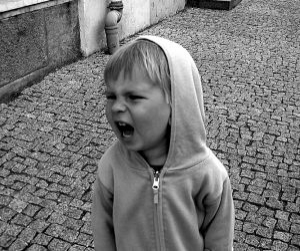 All children deal with anger on a daily basis. Thinking about it as a child, there is a lot to be angry about. Elder people
 It is important to understand that your child behaviour problems could not just be from attention seeking. There are many factors to take into consideration