



Exceeding Theme 3: Practice is shaped by meaningful engagement with families and/or the community. It focuses on practice being shaped by meaningful engagement with families and the community. It highlights that high-quality services don’t operate in isolation; educators actively collaborate with families, children, and community partners to co-construct learning, well-being, and service identity.

Quality Area 5 of the National Quality Standard focuses on Relationships with Children, ensuring that interactions are respectful and responsive and promote children’s sense of security and belonging. Below are practical examples of how this can be implemented in the workplace.

Exceeding Theme 2: Practice is informed by critical reflection, this means that educators don’t just “do” quality practice—they actively think about it, question it, and refine it. Reflection is ongoing, collaborative, and embedded into the way the service operates.

Exceeding Theme 1 focuses on practice being embedded in service operations and highlights that high-quality approaches are not occasional or dependent on individual staff—they are woven into the fabric of the service. This ensures consistency, sustainability, and a strong service identity that children, families, and educators can rely on. The following provides an overview of how Theme 1 can be demonstrated across Quality Areas 1–7 in OSHC settings.

Quality Area 3 of the National Quality Standard (NQS) focuses on the physical environment—its design, safety, inclusivity, and how it supports children’s learning, wellbeing, and agency. Here’s a breakdown of practical, workplace-ready examples tailored to your advocacy and leadership lens.

ACECQA has developed a set of free eLearning modules for educators in the early education and care sector. The National Quality Standard eLearning module provides information about the purpose and structure of the NQS, which includes seven quality areas that are key to achieving positive outcomes for children.

Ensuring families feel informed and engaged is more than a compliance checkbox—it’s the foundation of true collaboration that supports each child’s learning journey. National Quality Standard (NQS) Element 1.3.3 requires services to keep families up-to-date about the educational program and their child’s progress. Simply saying “they had a great day” plus an end-of-year report falls short of this intent. Here’s how to enrich daily communication, meet compliance expectations, and foster home-to-service learning continuity.
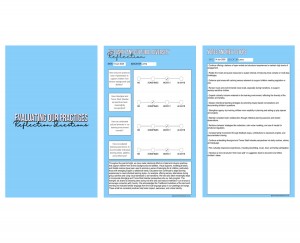
This template consists of 7 pages to reflect on practices within an early childhood service.

Quality Area 2 of the National Quality Standard focuses on Children’s Health and Safety, ensuring that environments are safe, hygienic, and supportive of children's well-being. Here are some practical examples of how this can be implemented in the workplace.
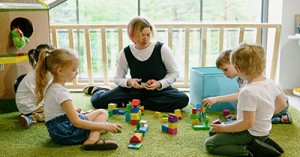
Quality Area 5 of the National Quality Standard focuses on relationships with children. The following article provides a structured list of critical reflection questions for NQS Quality Area 5—Relationships with Children. These questions are designed to help you examine, evaluate, and enhance the ways in which your service fosters secure, respectful, and responsive relationships with children.
