



Vegetables aren’t just for eating; they can be powerful tools for creativity, sensory exploration, and imaginative play. By incorporating vegetables into art and activity setups, educators can encourage children to experiment, problem‑solve, and express themselves in unique ways. These photo ideas highlight how vegetables can be transformed into engaging experiences that connect children with food, nature, and creativity.

Creative process art photo ideas for childcare educators to inspire exploration and creativity.
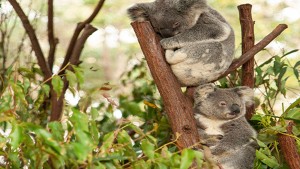
Engaging Australian wildlife activities with photo ideas for educators. Inspire creativity, culture, and EYLF learning outcomes in ECEC services.
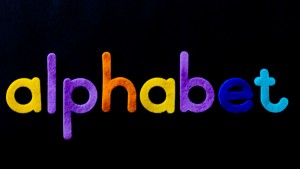
Creative alphabet photo ideas for childcare: fun sorting, tracing, and sensory activities to build literacy, phonics, and letter recognition.

Engaging colour learning photo ideas for childcare: fun sorting, matching, and sensory activities to build recognition and creativity.
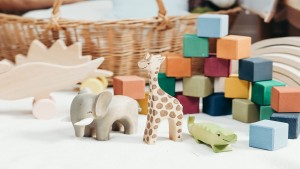

Explore creative photo ideas for teaching emotions in early childhood. Practical strategies, challenges, and wellbeing through play.

Children’s gardens are more than just spaces for growing plants—they are living classrooms where curiosity, responsibility, and creativity flourish. By weaving upcycling into these gardens, educators can transform everyday discarded items into vibrant, functional learning tools. This approach not only reduces waste but also models sustainability and innovation for children in ways they can see, touch, and nurture.

Encouraging children to self-serve food and drinks during mealtimes is more than just a practical routine, it’s a powerful pedagogical strategy that builds independence, confidence, and healthy habits.

Creating Aboriginal and Torres Strait Islander displays in early childhood education (ECE) settings is about more than decoration—it’s about embedding cultural respect, identity, and belonging into the learning environment. Here are some practical and meaningful approaches.
 Open ended questions cannot be responded to with one word answers such as yes or no. These types of questions enables a child to provide… Read More
 During your child’s preschool years, an important milestone begins to emerge. This is the development of pre-writing skills. Pre-writing skills are used to encourage, develop… Read More
 An Acknowledgment of the Country is a way of showing respect for the Traditional Owners and can be given by both non-Indigenous people and Aboriginal… Read More
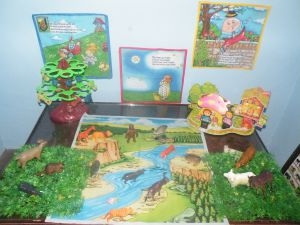 Open ended materials enables children to play freely. They are objects that have no rules to follow, use or function. Raw materials that can be… Read More
 Language plays an important role in a child’s development. It enables a child to communicate effectively with their family, learn at school, socialize with friends,… Read More
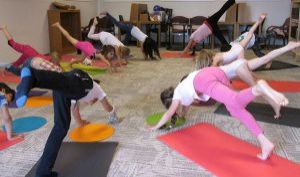 Like adults, children have to deal with their own stress in life. Moving house, starting a new school, preparing for a new sibling - these are… Read More
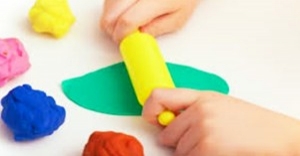 Playdough is such a versatile material. It provides numerous benefits to children as they manipulate it, it is safe and soothing and provides children with… Read More
 Teaching children about sustainability enables them to appreciate and respect the natural environment. Early childhood services can provide meaningful hand on learning experiences in order… Read More
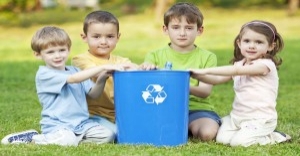 Recycling is an important concept that teaches children to care for the environment. It encourages children to be responsible and show a growing appreciating for… Read More
 Incursions provide children with the opportunity to explore meaningful learning experiences in the comfort of their early childhood service. The following provides a directory of… Read More

In early childhood education, we work at the intersection of family values, children’s rights, and...
See more...
An integrated curriculum in early childhood education in Australia focuses on holistic learning, where different...
See more...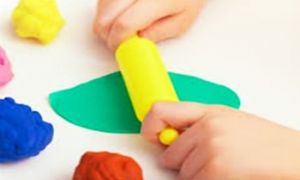
Playdough is such a versatile material. It provides numerous benefits to children as they manipulate...
See more...