Creative process art photo ideas for childcare educators to inspire exploration and creativity.
Process art emphasises exploration, creativity, and sensory experience rather than a fixed product. These photo ideas showcase diverse techniques that encourage children to experiment with materials, textures, and colours. They align with EYLF Outcome 4 (Children are confident and involved learners) and QA1 (Educational program and practice), supporting creativity, problem‑solving, and self‑expression.
Rubber Band Splatter Tray
Children flick paint using stretched rubber bands over paper.
Strategies for Educators:
Encourage experimentation with tension and motion.
Extend into science by discussing force and direction.
Link to fine motor development through finger control.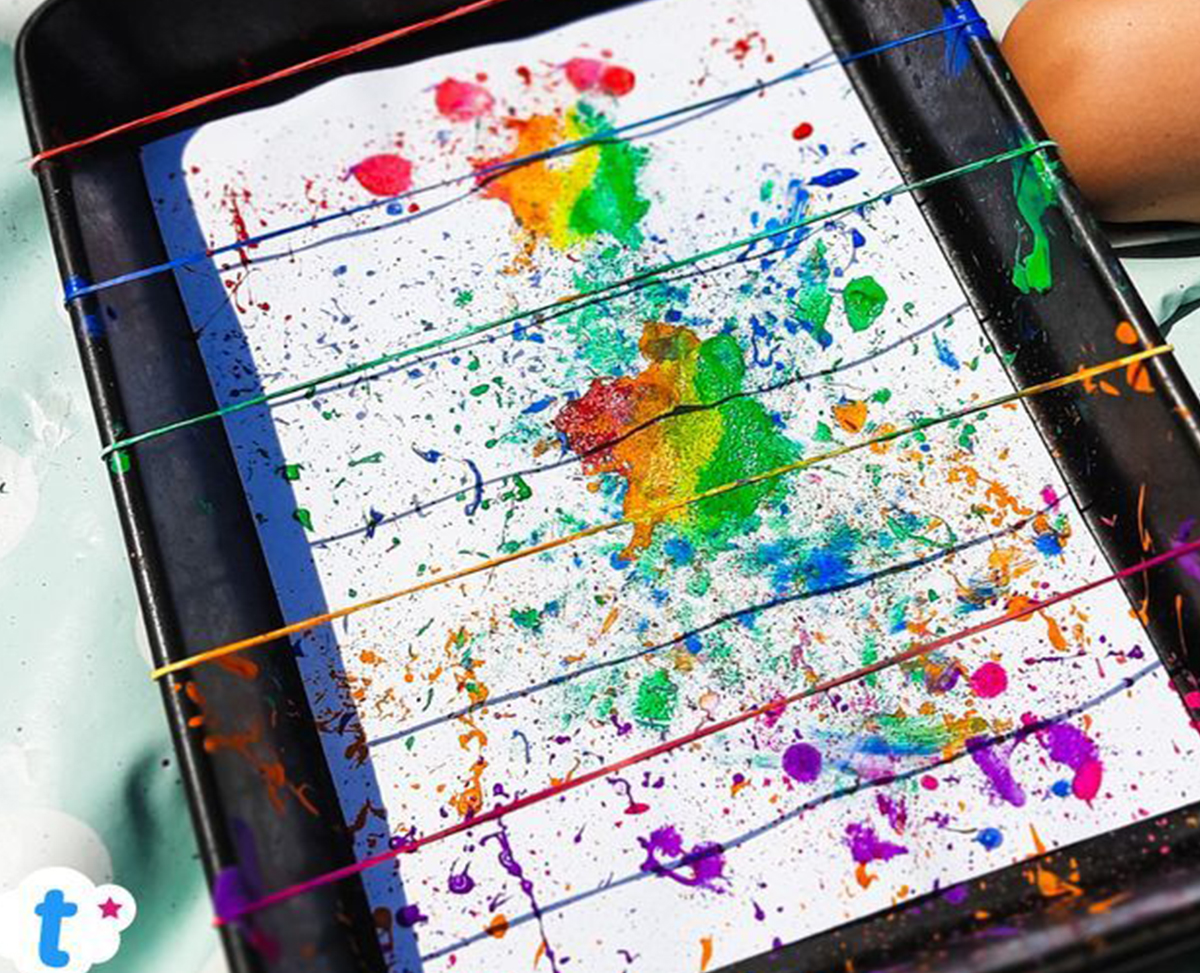
Image Reference: Twinkl Family, Pinterest
Masking Tape Watercolour Panels
Children paint over taped paper, revealing geometric designs when tape is removed.
Strategies for Educators:
Encourage exploration of negative space.
Extend into maths by linking to shapes and symmetry.
Link to creativity by comparing colour blends.
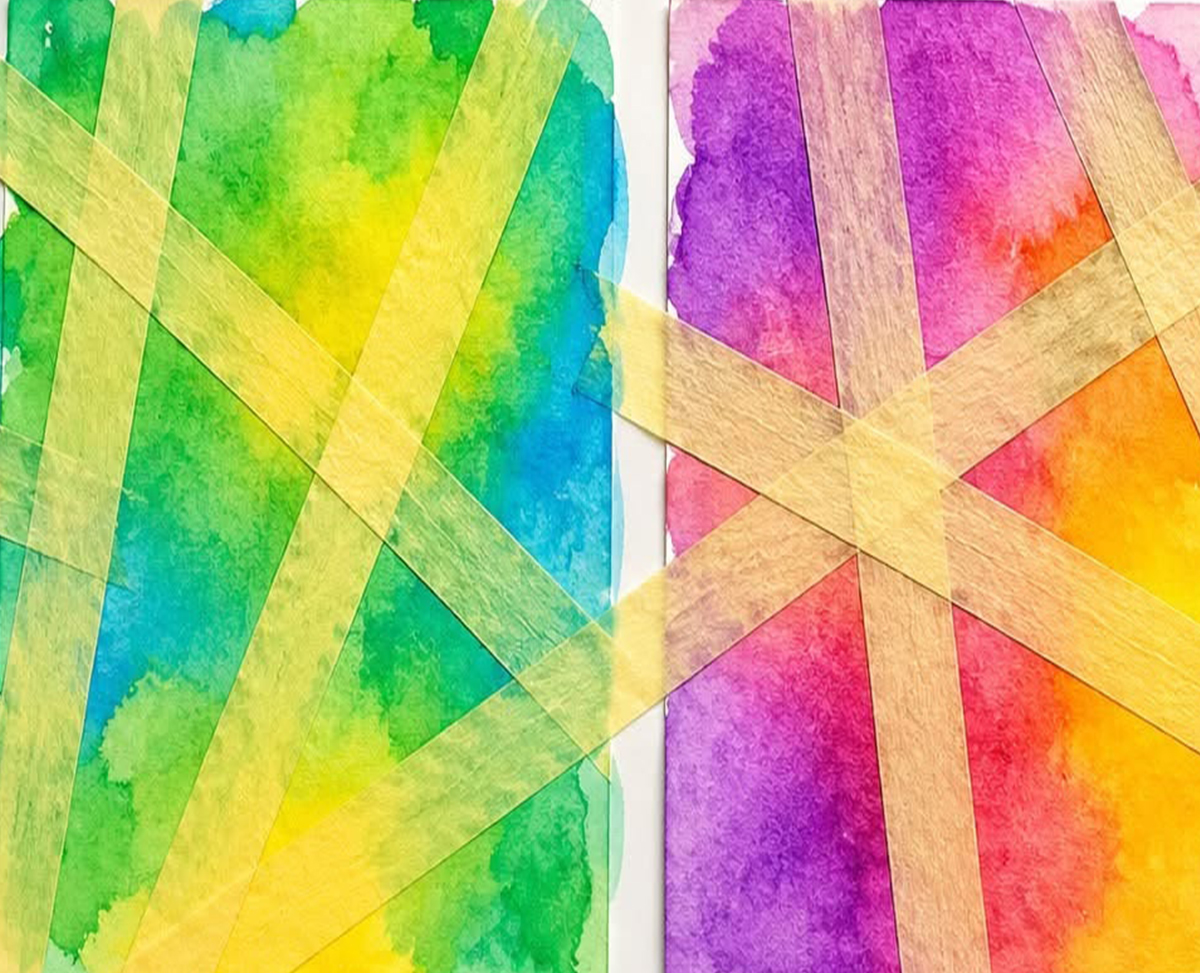
Image Reference: Theresa Barret, Pinterest
Tie‑Dye Paper Towels
Children fold and dye paper towels to create vivid patterns.
Strategies for Educators:
Encourage prediction of outcomes before unfolding.
Extend into cultural learning by linking to textile traditions.
Link to sustainability by reusing everyday materials.
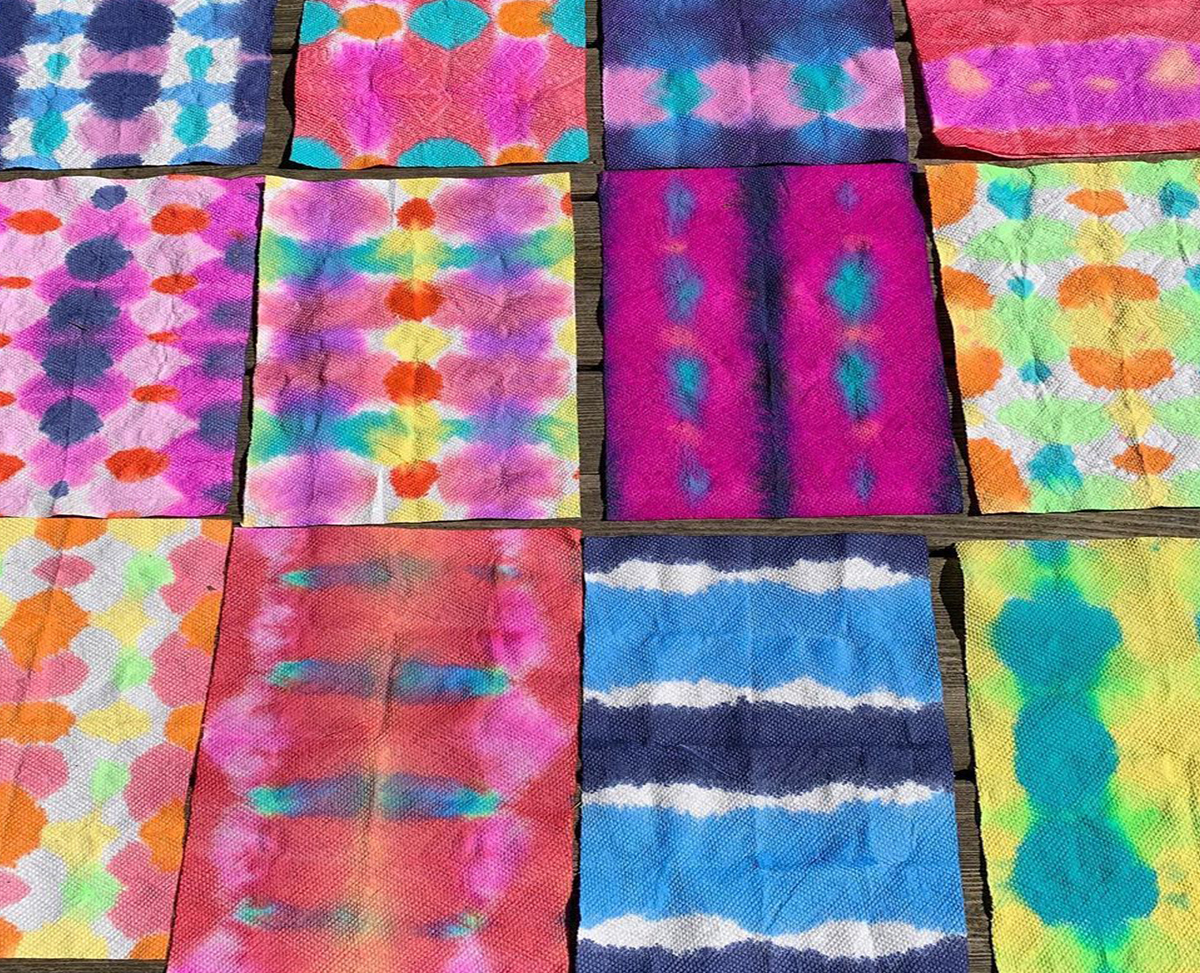
Image Reference: Jenny Gauthier, Pinterest
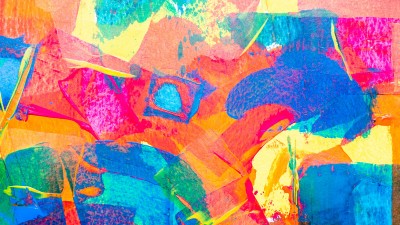
Dot Overlay Abstracts
Children layer sweeping paint strokes with repeated dot patterns.
Strategies for Educators:
Encourage rhythm and repetition in design.
Extend into mindfulness through calm, repeated motions.
Link to visual literacy by discussing background vs foreground.
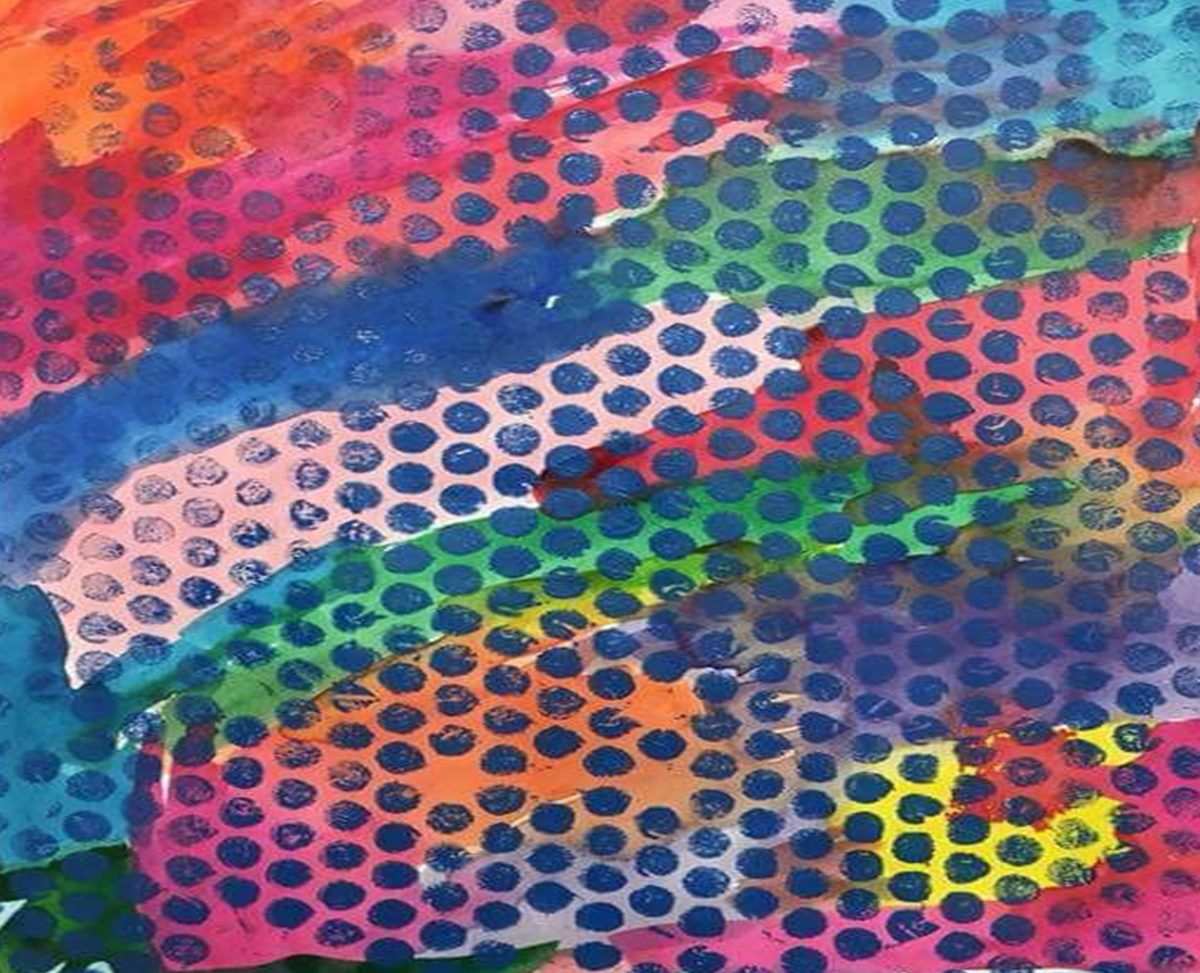
Image Reference: Trisha Coates, Pinterest
Comb Painting Waves
Children drag combs through rainbow paint to create textured lines.
Strategies for Educators:
Encourage sensory exploration of texture.
Extend into language by describing movement (“wavy,” “zig‑zag”).
Link to motor planning through controlled strokes.
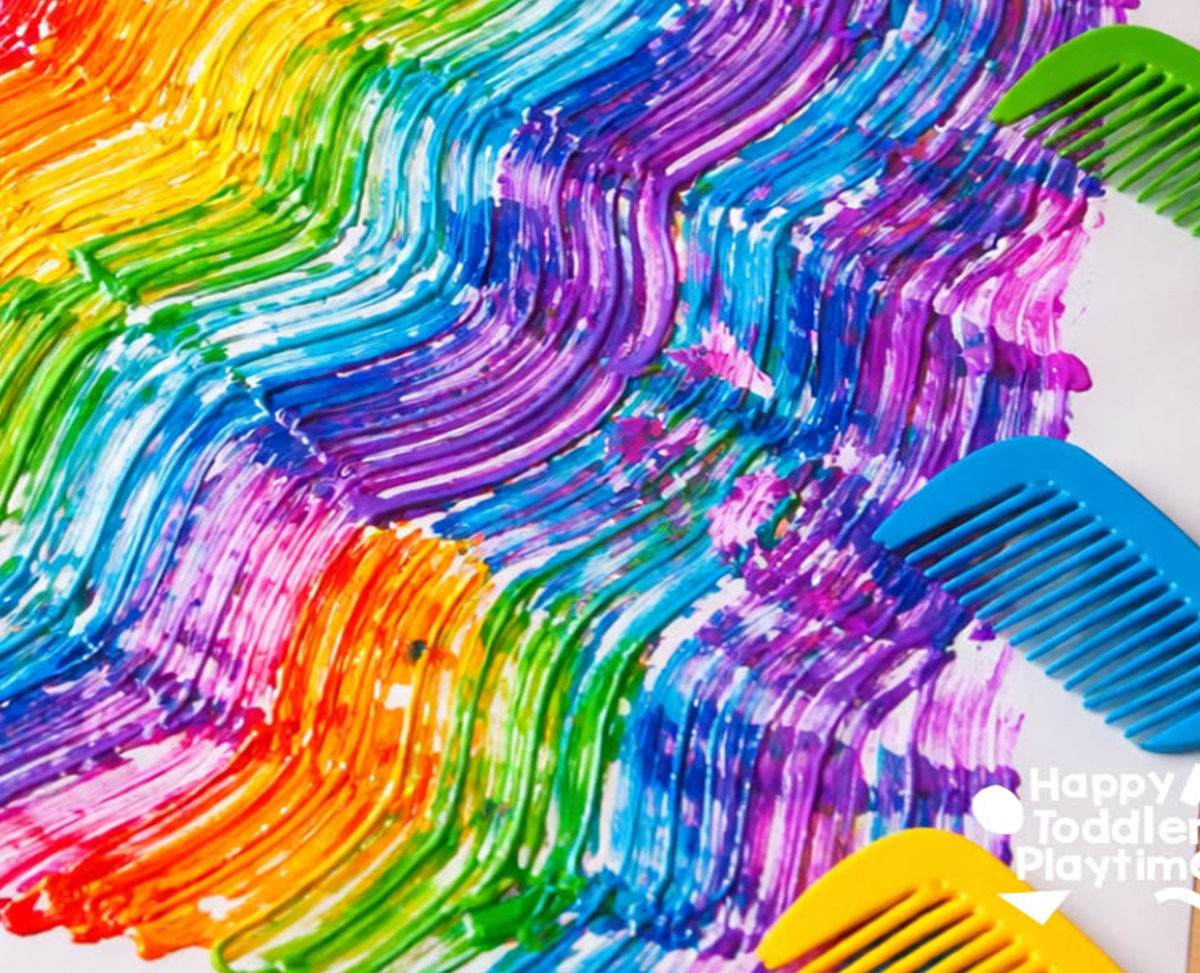
Image Reference: Happy Toddler Playtime, Pinterest
Jellyfish‑Like Ink Bursts
Children drip and spread ink to form organic, floating shapes.
Strategies for Educators:
Encourage imaginative interpretation (“What does it look like?”).
Extend into science by linking to diffusion and absorption.
Link to creativity through abstract storytelling.
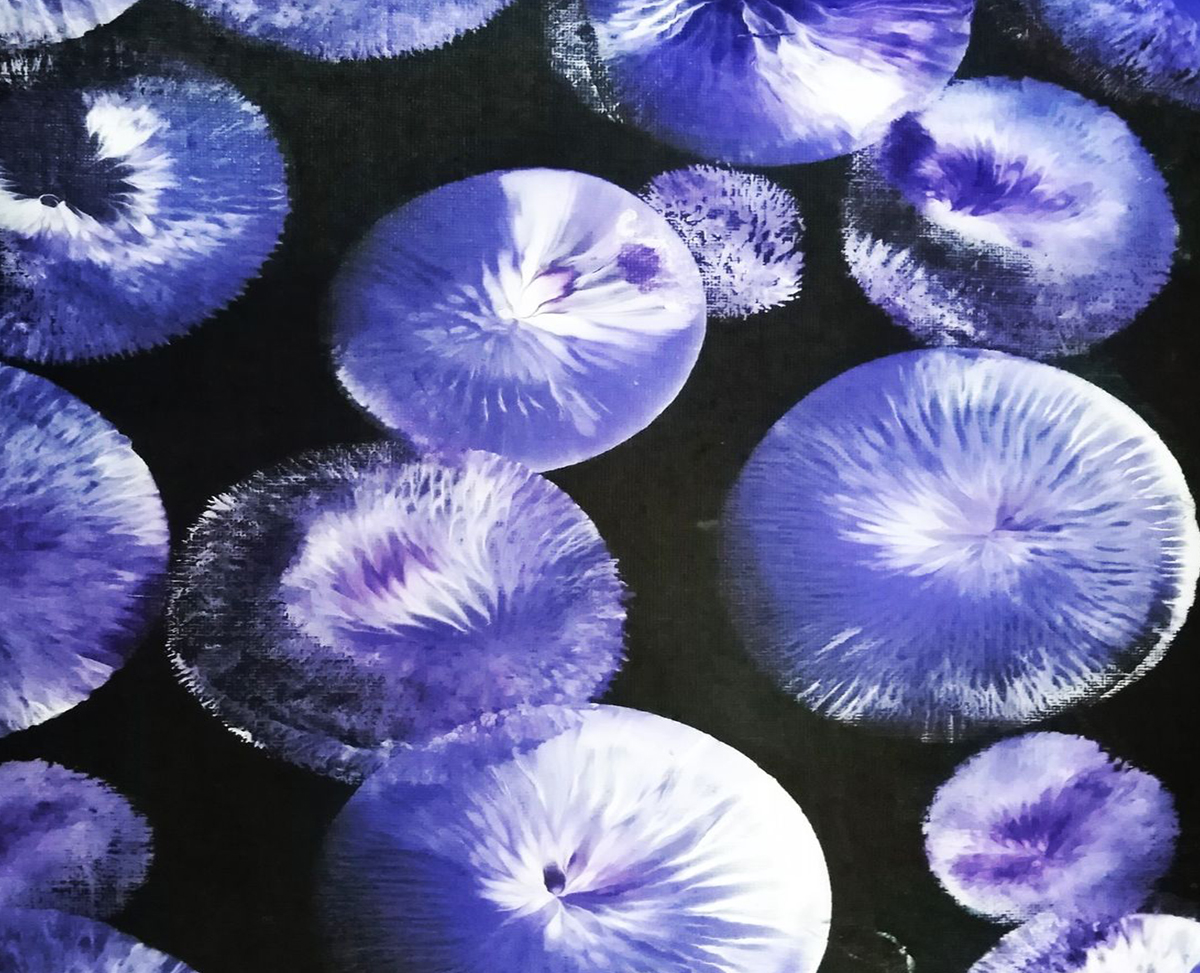
Image Reference: Pauline Mary, Pinterest
Mosaic Stained Glass Collage
Children paint irregular shapes separated by bold lines.
Strategies for Educators:
Encourage exploration of contrast and boundaries.
Extend into cultural learning by linking to stained glass art.
Link to maths by discussing fractions and parts of a whole.
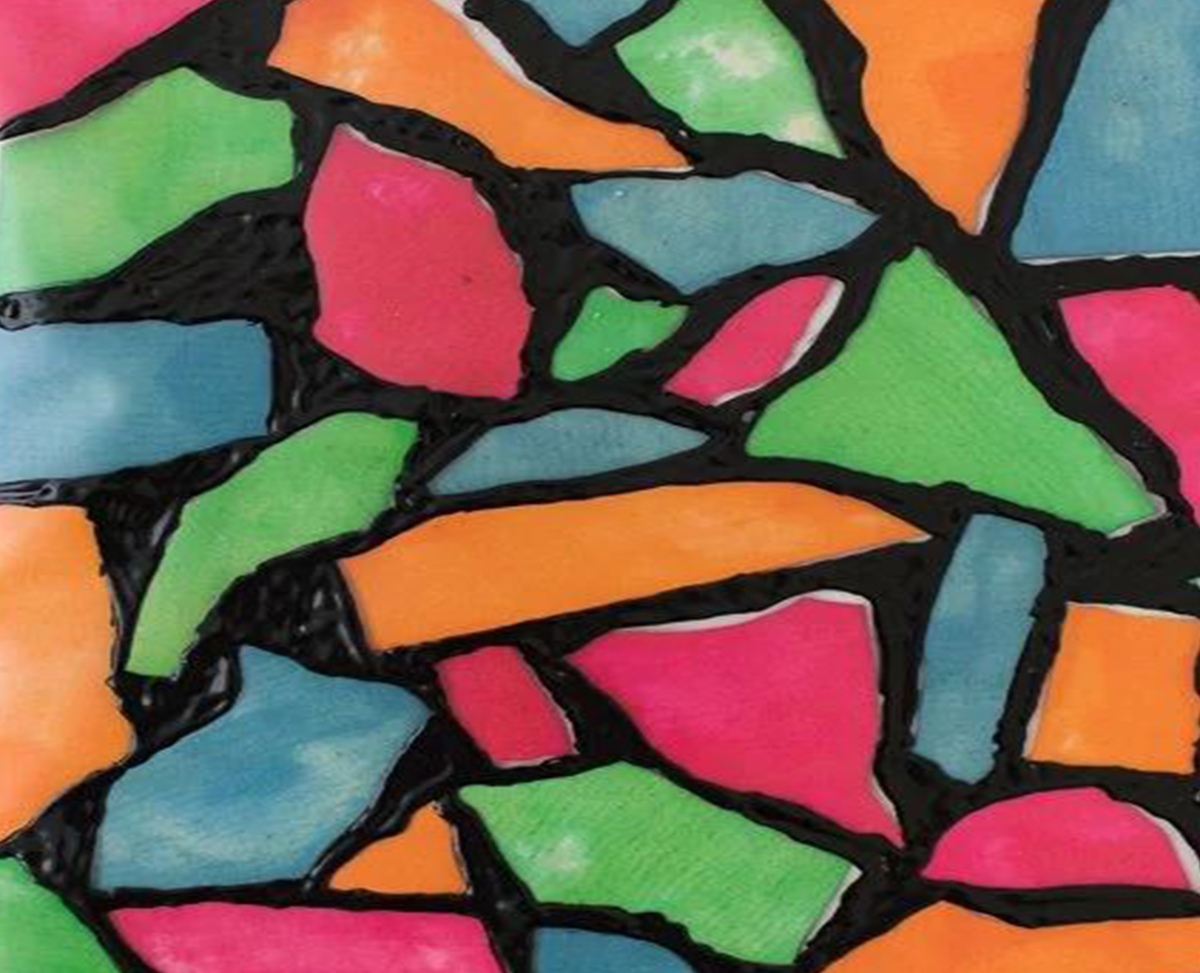
Image Reference: Momtastic, Pinterest
Fluid Tie‑Dye Blends
Children experiment with dye or paint to create blended, wrinkled textures.
Strategies for Educators:
Encourage observation of colour mixing.
Extend into science by linking to absorption in paper/fabric.
Link to emotional expression through freeform design.
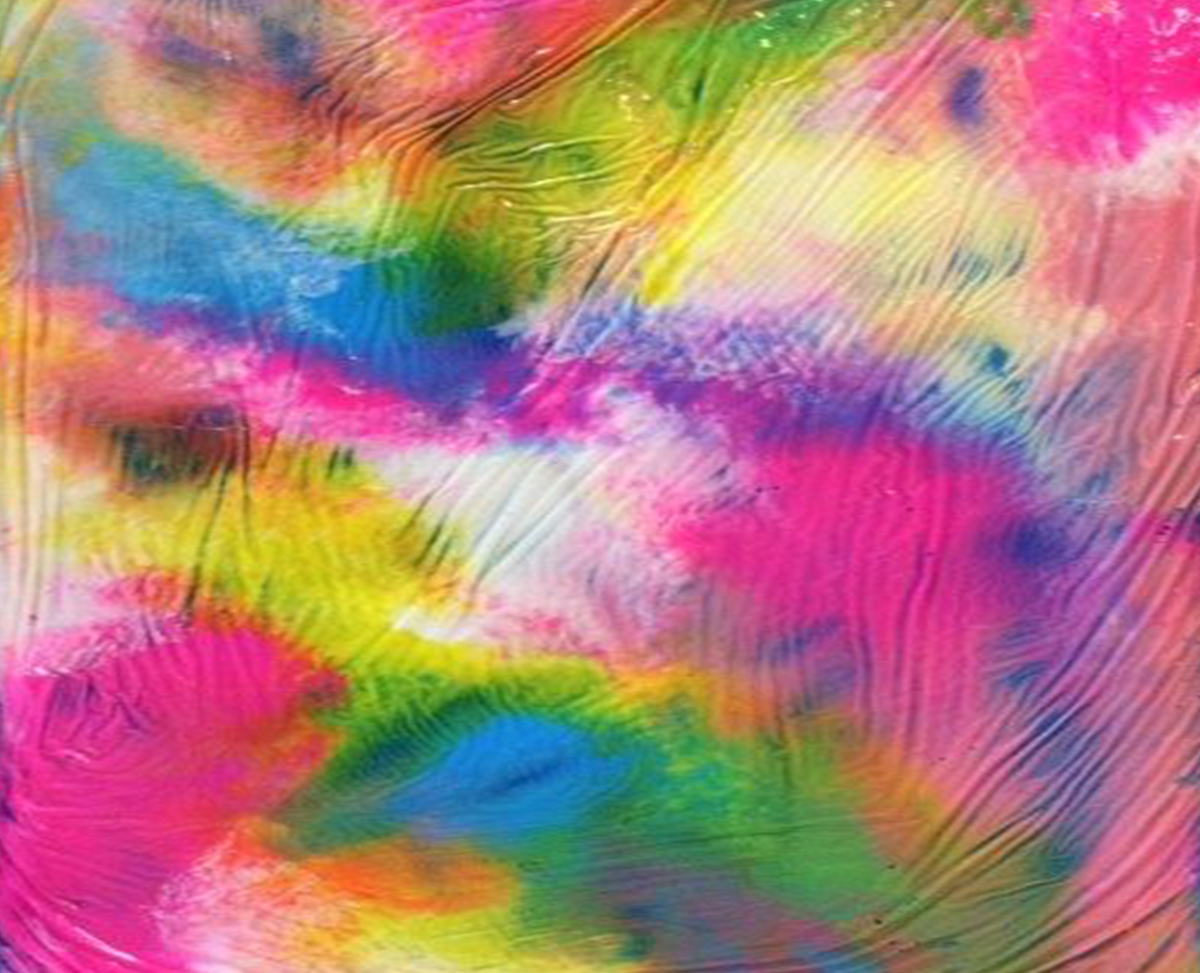
Image Reference: Arty Crafty Kids, Pinterest
Button‑Centred Loop Painting
Children paint overlapping loops around a central object.
Strategies for Educators:
Encourage focus on composition and balance.
Extend into math by discussing circles and symmetry.
Link to creativity by integrating everyday objects.
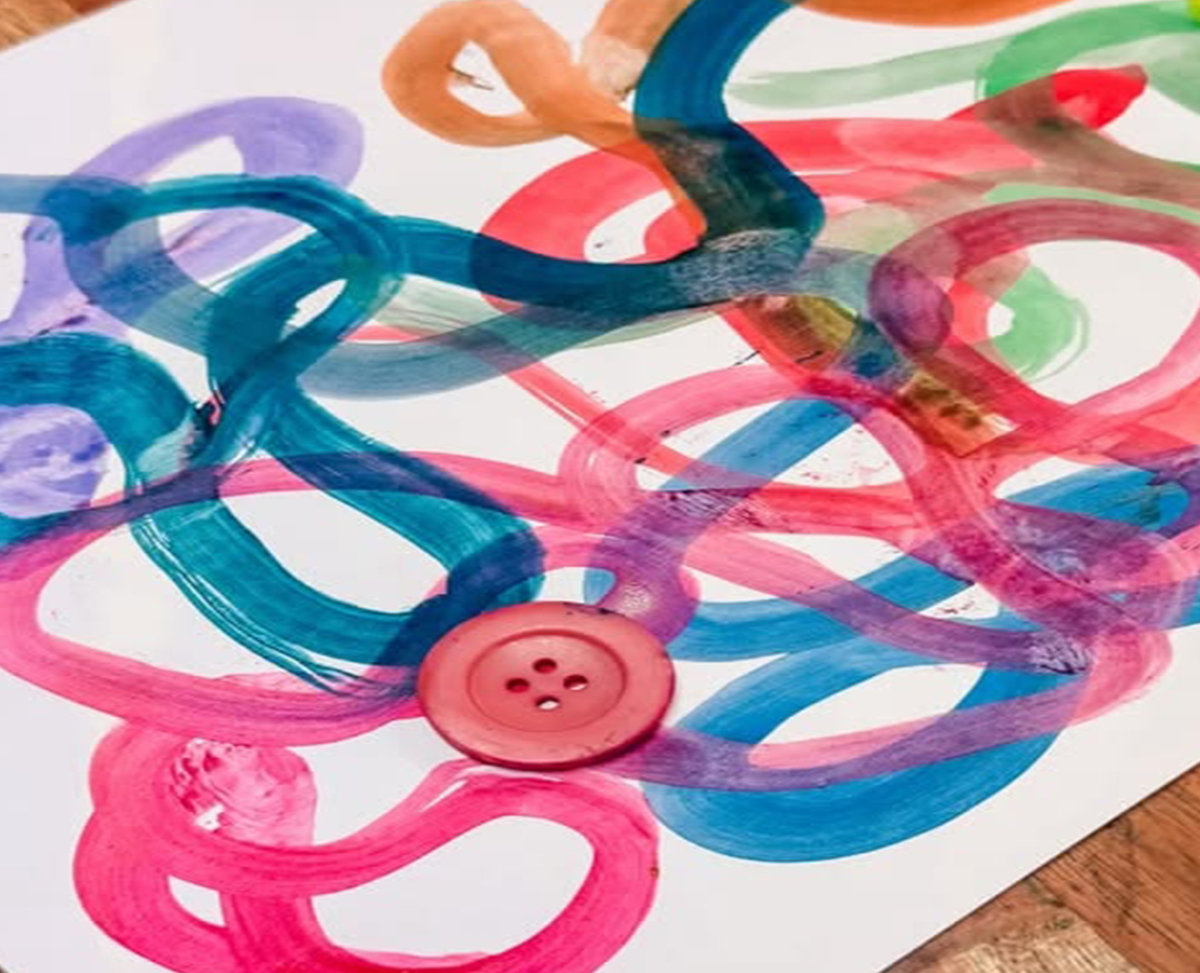
Image Reference: Margee O'Brien, Pinterest
Practical Strategies for Educators
- Offer diverse materials: Rubber bands, combs, tape, fabric, and buttons.
- Encourage open‑ended exploration: Focus on process, not product.
- Link to EYLF: Highlight creativity, problem‑solving, and identity outcomes.
- Document learning: Capture photos and reflections to share with families.
Process art photo activities transform creativity into joyful exploration. By embedding these setups into everyday practice, educators foster curiosity, resilience, and expressive freedom, making art a journey, not just a destination.
Further Reading
Process Art Vs Product Art In Early Childhood Services
50 Process Art Activities
Linking Art To The EYLF Learning Outcomes
Process vs. Product: Rethinking Creativity
Art Area Photo Ideas
Importance of Displaying Children's Artwork
 Open ended questions cannot be responded to with one word answers such as yes or no. These types of questions enables a child to provide
 During your child’s preschool years, an important milestone begins to emerge. This is the development of pre-writing skills. Pre-writing skills are used to encourage, develop
 An Acknowledgment of the Country is a way of showing respect for the Traditional Owners and can be given by both non-Indigenous people and Aboriginal
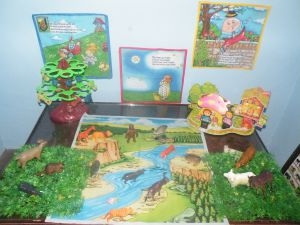 Open ended materials enables children to play freely. They are objects that have no rules to follow, use or function. Raw materials that can be
 Language plays an important role in a child’s development. It enables a child to communicate effectively with their family, learn at school, socialize with friends,
 Like adults, children have to deal with their own stress in life. Moving house, starting a new school, preparing for a new sibling - these are
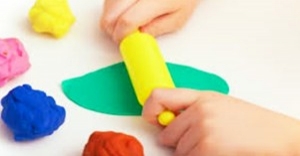 Playdough is such a versatile material. It provides numerous benefits to children as they manipulate it, it is safe and soothing and provides children with
 Teaching children about sustainability enables them to appreciate and respect the natural environment. Early childhood services can provide meaningful hand on learning experiences in order
 Recycling is an important concept that teaches children to care for the environment. It encourages children to be responsible and show a growing appreciating for
 Incursions provide children with the opportunity to explore meaningful learning experiences in the comfort of their early childhood service. The following provides a directory of