



Extend children’s interest in K‑POP Demon Hunters through music, play, arts, and storytelling that foster creativity, teamwork, and learning.
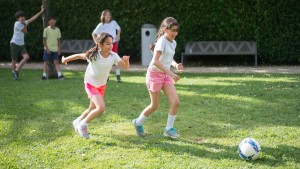
The following provides a list of activity ideas for each sub-outcome of MTOP Outcome 3: Children And Young People Have A Strong Sense Of Wellbeing.

In OOSH services, educators are constantly looking for ways to balance energy, encourage wellbeing, and create calm transitions for children after a busy school day. Yoga in OOSH offers a simple, inclusive practice that combines movement, mindfulness, and fun. With just a few minutes of guided breathing and playful poses, children can reset their bodies and minds, helping them feel more focused, relaxed, and ready for the next activity.
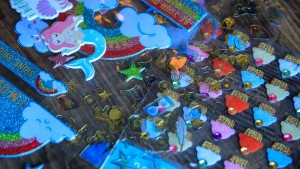
Reward systems in OOSH settings can be a fun and engaging way to encourage positive behaviours, build community, and motivate children. Whether it’s a prize box filled with small treasures, a raffle system, or creative approaches like OOSH dollars, these strategies often spark excitement and give children something to look forward to. In this article, we’ll explore the pros and cons of reward systems, practical ideas for implementation, and strategies to make sure every child feels seen and celebrated.
In OOSH services, educators often support children with diverse abilities and needs. Some children may require additional accommodations, such as extra time to join activities, flexibility during group routines, or priority access to certain transitions. While these supports ensure equity, they can sometimes raise questions or frustrations among peers. Educators play a vital role in guiding children toward empathy, understanding, and acceptance.
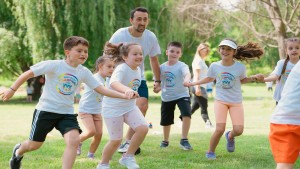
Play in OOSH settings is more than just fun; it is a powerful tool for children’s social, emotional, and cognitive growth. As educators, reflecting on play experiences helps us understand how children are learning, interacting, and developing in these settings.
Critical reflection ensures that play opportunities are inclusive, meaningful, and aligned with both developmental needs and program goals. By asking thoughtful questions, educators can evaluate the quality of play and make informed decisions to enhance children’s experiences.
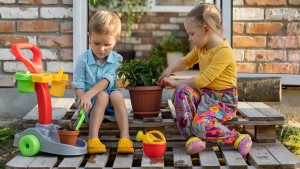
Sustainability isn’t just about recycling; it’s about helping children understand their role as caretakers of the planet. In OOSH settings, educators have a unique opportunity to weave eco-friendly practices into everyday routines, turning play and learning into powerful lessons about responsibility and respect for the environment.
The following mapped activities are grouped into five key areas: Recycling & Reuse, Energy & Resources, Nature & Gardening, Biodiversity & Care, and Creative & Reflective, each with six practical ideas to inspire children and educators alike.
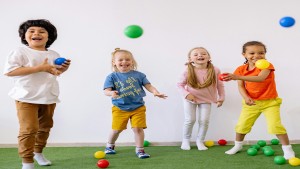
Rainy days don’t have to dampen the fun in OOSH! When outdoor play isn’t possible, educators can turn indoor time into an opportunity for creativity, movement, and laughter. Wet weather games are more than just "fillers"; they help children release energy, practice teamwork, and build social-emotional skills in a safe environment.
The following 20 indoor games are designed to be simple, adaptable, and fun for mixed-age groups, ensuring that rainy days become memorable moments of play and learning.

The Zones of Regulation are a self-regulation framework that helps children identify and manage their emotions, energy, and attention. In OOSH settings, where children transition between school, home, and care environments, this tool can be especially powerful for fostering independence, resilience, and social-emotional wellbeing.
Risky play in OOSH services is encouraged as a way to build children’s confidence, resilience, and risk-assessment skills, but it must be balanced with structured risk management and compliance practices.
 Open ended questions cannot be responded to with one word answers such as yes or no. These types of questions enables a child to provide… Read More
 During your child’s preschool years, an important milestone begins to emerge. This is the development of pre-writing skills. Pre-writing skills are used to encourage, develop… Read More
 An Acknowledgment of the Country is a way of showing respect for the Traditional Owners and can be given by both non-Indigenous people and Aboriginal… Read More
 Open ended materials enables children to play freely. They are objects that have no rules to follow, use or function. Raw materials that can be… Read More
 Language plays an important role in a child’s development. It enables a child to communicate effectively with their family, learn at school, socialize with friends,… Read More
 Like adults, children have to deal with their own stress in life. Moving house, starting a new school, preparing for a new sibling - these are… Read More
 Playdough is such a versatile material. It provides numerous benefits to children as they manipulate it, it is safe and soothing and provides children with… Read More
 Teaching children about sustainability enables them to appreciate and respect the natural environment. Early childhood services can provide meaningful hand on learning experiences in order… Read More
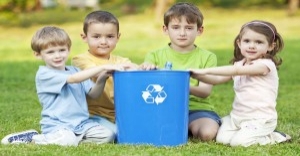 Recycling is an important concept that teaches children to care for the environment. It encourages children to be responsible and show a growing appreciating for… Read More
 Incursions provide children with the opportunity to explore meaningful learning experiences in the comfort of their early childhood service. The following provides a directory of… Read More

Achieving EYLF Outcome 1: Children have a strong sense of identity in the babies' room...
See more...
In the wake of disturbing child abuse allegations at a Melbourne early learning centre, families...
See more...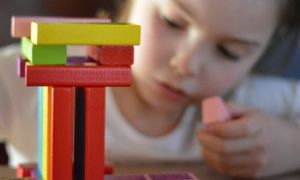
Blocks are open-ended play materials; there is no right or wrong way to build with...
See more...