


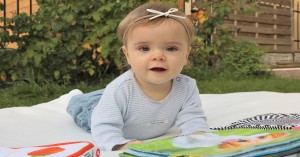
From the earliest months of life, babies thrive when given opportunities to experience the outdoors. Nature is not just a backdrop for play—it is a living classroom that nurtures physical strength, sensory exploration, emotional growth, and a deep sense of connection to the world. Outdoor play allows babies to move freely, discover textures, sounds, and sights, and begin forming bonds with their environment and the people around them.
For educators and families, planning outdoor play is about more than simply “taking babies outside.” It involves creating safe, stimulating spaces where babies can grasp, crawl, listen, and wonder. By offering open-ended materials, natural objects, and opportunities for social interaction, adults can scaffold experiences that support babies’ holistic development.
This guide explores outdoor play through the lens of Belonging, Being and Becoming—three dimensions that highlight how babies grow physically, emotionally, and socially in nature. Alongside practical strategies and safety considerations, it provides inspiration for educators and caregivers to design meaningful outdoor experiences that foster joy, resilience, and a lifelong respect for the environment.
Learning with nature in early childhood services enriches every interest area from literacy corners to outdoor play by fostering curiosity, wellbeing, and environmental awareness. Integrating natural elements into classrooms and play spaces supports children’s physical, cognitive, and emotional development while cultivating a lifelong connection to the environment.
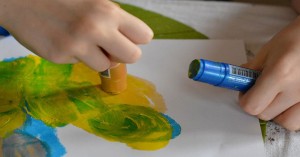
Floorbook is a documentation approach that uses a large book with blank pages for children to record different aspects of their learning in small groups or as a whole group. The following article provides information on the Features Of A Floorbook, Child Centred Approach, How Educators Can Use Floorbooks and more.
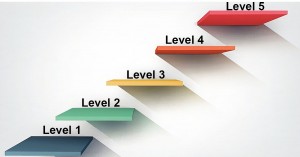
For ECT's working in early childhood services, they are on the Educational Services Teachers Award and there are 5 Classification Levels which determines their rate of pay.

Within an early childhood setting, throughout the day, children experience many transitions such as transitions that occur between activities or routines. The following article provides information on Transitions Between Activities, Supporting Transitions Between Activities, Transition Songs and Chants and more.

In Norway and most other Scandinavian countries, children nap in the outdoors. According, to research outdoor sleeping not only promotes better daytime sleeping, but it also increases the duration of sleep. With Australia's serene climate, it's a great way for services to explore outdoor sleeping.

On 26 January we celebrate Australia Day. A day to reflect on what we have achieved and what we can be proud of in our great nation. However, for Aboriginal Australians, it's a day of sorrow and loss. A clear reminder of their loss of freedom, loss of family, loss of culture - January 26 for Aboriginal Australians mourn the day by calling it Invasion Day.

According to the National Regulations, there are mandatory requirements for first aid qualified educators to be in attendance at all times to be available in an emergency.

One of the biggest hazards we face as early childhood Educators is back injuries. The amount of times we bend, stretch, and lift throughout the day is endless and this can put a strain on your back, causing serious long-term injuries. The following article provides information on Back Risks, Prep Before The Day, Strategies To Support Back Care Throughout The Day and more.

Writing a personal philosophy is a great way for others to read what your values and beliefs are in regard to early childhood education. The following article provides information on how to write a personal philosophy including details of what can be included, questions to think about and examples of personal philosophies.
 Open ended questions cannot be responded to with one word answers such as yes or no. These types of questions enables a child to provide… Read More
 During your child’s preschool years, an important milestone begins to emerge. This is the development of pre-writing skills. Pre-writing skills are used to encourage, develop… Read More
 An Acknowledgment of the Country is a way of showing respect for the Traditional Owners and can be given by both non-Indigenous people and Aboriginal… Read More
 Open ended materials enables children to play freely. They are objects that have no rules to follow, use or function. Raw materials that can be… Read More
 Language plays an important role in a child’s development. It enables a child to communicate effectively with their family, learn at school, socialize with friends,… Read More
 Like adults, children have to deal with their own stress in life. Moving house, starting a new school, preparing for a new sibling - these are… Read More
 Playdough is such a versatile material. It provides numerous benefits to children as they manipulate it, it is safe and soothing and provides children with… Read More
 Teaching children about sustainability enables them to appreciate and respect the natural environment. Early childhood services can provide meaningful hand on learning experiences in order… Read More
 Recycling is an important concept that teaches children to care for the environment. It encourages children to be responsible and show a growing appreciating for… Read More
 Incursions provide children with the opportunity to explore meaningful learning experiences in the comfort of their early childhood service. The following provides a directory of… Read More

In recent weeks, many centres have begun noticing a new pressure point: educators struggling to...
See more...
Play-based learning is a core principle of the EYLF, emphasizing that children learn best through...
See more...
When a service operates without external cleaning staff, it’s reasonable to expect educators to maintain...
See more...