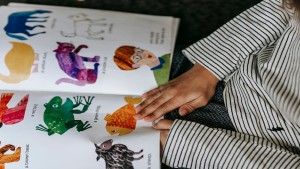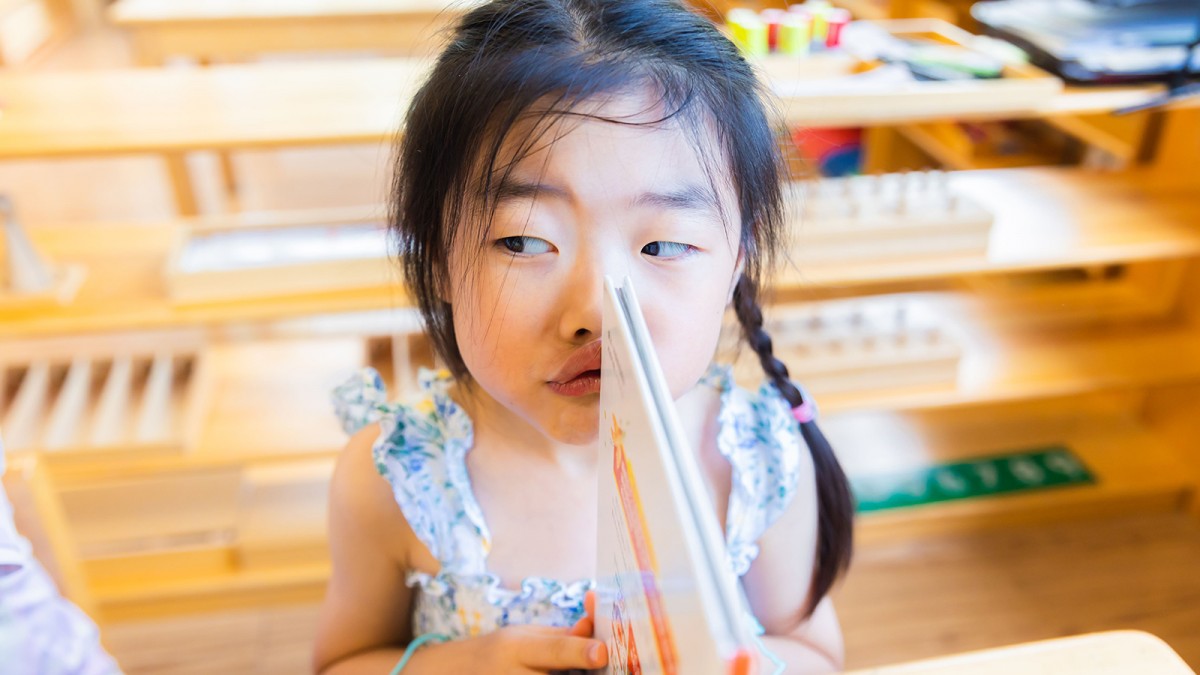
Educators urge a national reading strategy, as fewer children read for fun, highlighting the urgent need for libraries and literacy support.
Australia’s educators and literacy advocates are sounding the alarm: fewer children are picking up books for pleasure, sparking urgent calls for a national reading strategy to reverse the trend.
Recent findings show that in 2019, just over 10% of children reported never reading for fun. By 2022, that figure had skyrocketed to more than half of all children (52.5%), while daily social media use surged to 85%.
The Australian Library and Information Association, alongside the Australian Coalition for School Libraries and literacy non-profit Australia Reads, has released a declaration urging the federal government to make school libraries mandatory and properly staffed.
“We want more support and investment in reading as an infrastructure. We need a national plan,” said Anna Burkey, CEO of Australia Reads.
The Numbers Behind the Concern
- NAPLAN results show a decline: 74.5% of Year 5 students were reading at strong or exceeding levels in 2023, dropping to 71% by 2026.
- A University of South Australia study found children and teens are reading less than ever, with leisure reading displaced by digital entertainment.
- Alarmingly, one in three children cannot read proficiently at their grade level, according to the Grattan Institute.
Why It Matters for Educators
Educators know that reading for pleasure is more than a pastime, it’s a gateway to lifelong literacy, empathy, and imagination. Literacy consultant Sarah Mayor Cox stresses that joy must come before technical skills:
“People should prioritise the joy of reading over competency,” she explained, noting that programs like Dolly Parton’s Imagination Library give children a vital head start.
Practical Strategies for Early Childhood Educators
1. Fostering a Love of Reading
Create cosy reading corners with diverse book choices (picture books, comics, and non-fiction).
Use daily “read-aloud” sessions to model expressive reading.
Encourage children to choose their own books — autonomy builds motivation.
2. Embedding Literacy in Play
Label classroom areas and materials (blocks, art supplies) to build print awareness.
Integrate storytelling into dramatic play (e.g., children act out favourite stories).
Provide puppets or props to retell stories, strengthening comprehension.
3. Building Language Through Everyday Routines
Narrate routines (e.g., “We’re washing hands before snack”) to expand vocabulary.
Use songs, rhymes, and chants during transitions to reinforce phonological awareness.
Encourage children to describe their artwork or play — valuing their voice.
4. Partnering with Families
Share simple strategies like bedtime stories or “talking walks” (narrating what you see).
Provide book bags or lending libraries for families to borrow.
Celebrate cultural stories and invite families to share them in class.
5. Creating Inclusive Literacy Environments
Offer bilingual books and materials to support children from diverse backgrounds.
Use visual supports (pictures, symbols) alongside text for accessibility.
Celebrate children’s home languages through greetings, songs, and storytelling.
6. Encouraging Joy Before Competency
Focus on enjoyment rather than technical skills; let children giggle, imagine, and explore.
Validate all reading forms (comics, magazines, digital stories).
Celebrate small milestones with praise and recognition.
Early childhood educators are not just teaching literacy; they are building lifelong readers. By embedding joy, choice, and family partnerships into daily practice, educators can counter declining reading habits and nurture a culture of curiosity.
Further Reading
Laying the Literacy Foundation: Pre-Reading Skills Through Play
Creating Engaging Reading Area Photo Ideas
Developing and Enhancing Literacy in Children
Importance Of Storytelling To Children
Dolly Parton's Imagination Library Australia
Reference
Calls For National Reading Strategy As Fewer Australian Children Read For Fun